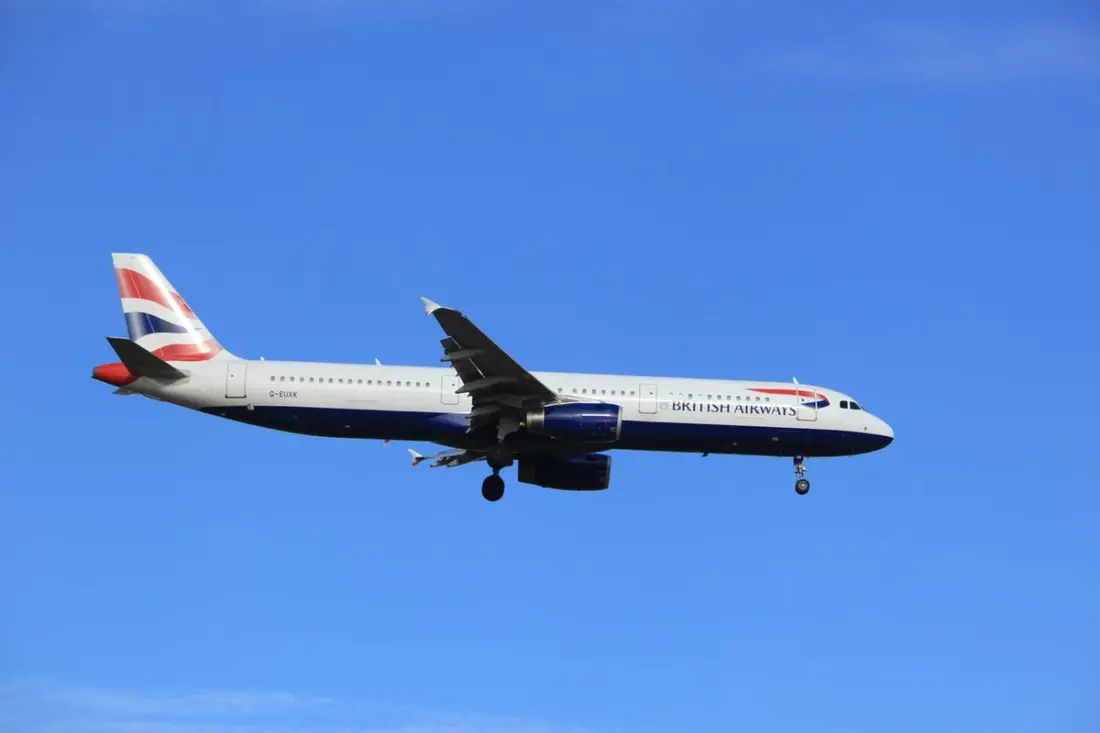
A British Airways flight heading to the Algarve made an unplanned U-turn mid-Channel after crew spotted a cracked passenger window, landing safely back at Gatwick about an hour into what should have been a two-hour hop to Faro.
Flight BA2660, an Airbus A321, left Gatwick at 9.06am on Tuesday. Shortly after passing over Brittany, the pilots issued a squawk 7700 — the general emergency transponder code — and turned the aircraft around. Radar-tracking platform Flightradar24 captured the reversal, while AirNav Radar noted that the flight deck was running through checks before committing to the diversion. Aviation outlet AirLive reported the damage as structural cracking to a window panel on the right side of the plane, close to row 3R. Emergency crews were on standby at Gatwick when the plane touched down, though the airline described the issue as minor and confirmed everyone arrived safely.
BA apologised to passengers for the disruption and said teams were working to get people on their way again — likely on a replacement aircraft. For anyone booked on a similar flight, the practical upshot is reassuring rather than alarming: cracked windows and windshields are treated as return-to-field events out of caution, and modern airliners have multiple window layers, so a crack rarely means immediate danger.
It is also not an isolated event. Last month, a United Express flight operated by Mesa Airlines out of Houston had to double back after the first officer's windshield shattered shortly after takeoff. The Embraer E175, bound for El Paso, was back on the ground at George Bush Intercontinental within 40 minutes and taxied in without incident. In that case too there was no depressurisation — returning was simply standard procedure.
Why should holidaymakers care? Mainly for perspective. Diversion stories can look frightening in headlines, but they are usually evidence of the system working: crews spot a problem, declare it, and land with help ready. If your flight turns back, your rights under UK261 still apply — the airline should rebook you and, for significant delays on departures from the UK, compensation may be due depending on the cause and arrival delay.
The destination at the centre of this one, Faro, remains one of Europe's busiest leisure gateways, serving the resorts, beaches and golf courses of Portugal's southern coast. Delays from a diversion like this typically mean hours, not days, so travellers heading for the Algarve should keep an eye on their airline app, know their rebooking rights, and pack a little patience alongside the sunscreen.