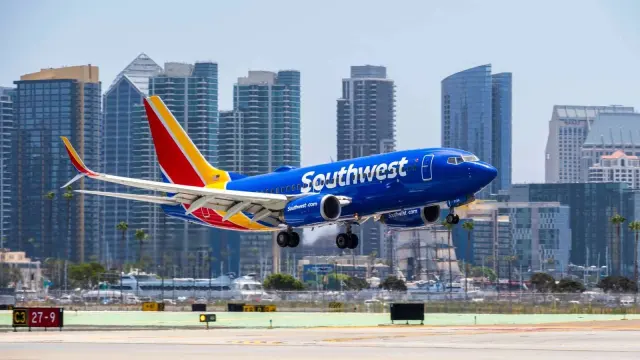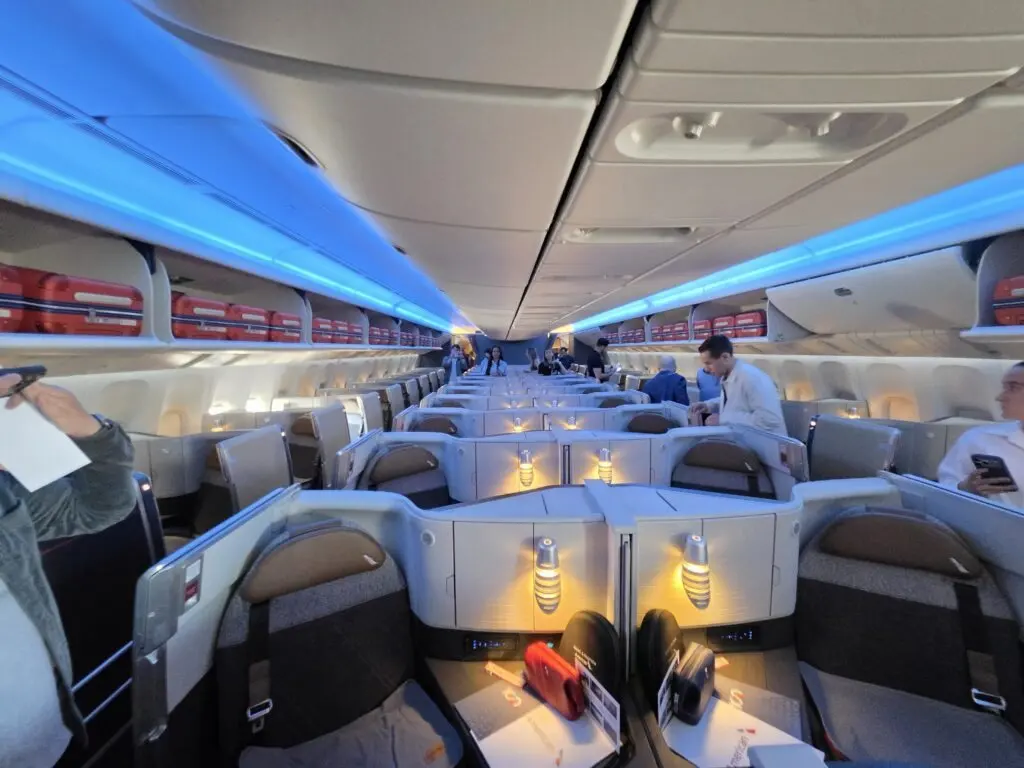
For roughly a month this autumn, a glitch in American Airlines' multi-city award search priced some business class redemptions at the cost of just the first segment. Travellers booked transpacific business to Australia for 10,000 miles, across the Atlantic to Italy for 12,500, and — in the best cases — business class to Delhi from as little as 7,000 miles each way. Some even scored Etihad's First Apartment to the Maldives on partner awards. Word spread through private points-collecting groups around September 19, and by some estimates 1,000 to 2,000 tickets were issued before American shut the loophole down.
Then came the messy part. The airline's own Contract of Carriage and international tariff promise that mistake fares will be voided and passengers notified within 72 hours of the airline discovering the error. According to View from the Wing, which documented the saga first-hand, American learned of the glitch around September 20 but didn't start cancelling until weeks later — one passenger's cancellation notice arrived on October 5, nine days after American had already called him. The writer behind the story had 18 tickets across three family trips cancelled on October 9, with no reason given in the emails and no option to rebook at the original price.
The cancellations left some travellers badly exposed. One complainant told the Department of Transportation she had cancelled earlier premium economy tickets to Japan in favour of the award bookings, then lost roughly $6,000 in prepaid hotels and tours when American pulled her tickets five days before departure. She paid $2,554 out of pocket for replacement United economy seats via Seoul.
There's a useful consumer protection angle here. Since May 2015, the DOT has allowed airlines to cancel genuine mistake fares without honouring them — but only if they refund quickly and reimburse reasonable expenses incurred in reliance on the ticket: nonrefundable hotels, tours, connection fees. That covers awards booked with points as well as cash. The complaint now before the regulator isn't that American must honour the fares, just that it failed to follow the 72-hour procedure it wrote for itself. Notably, American's AAdvantage terms explicitly defer to the Contract of Carriage on conflicts, so the airline's usual programme-rules defence looks shaky.
Why should a traveller care? Because mistake fares still happen — American itself honoured $450 business class to China in 2015, and United once honoured $1,100 LA-to-Auckland business fares — and knowing the rules changes how you play them. If you snag one, hold off on irreversible spending for at least a few days, keep every receipt, and remember that documented reliance expenses are recoverable under DOT guidance. And if an airline drags its feet past its own stated deadline, a DOT complaint is the escalation path that actually gets read.