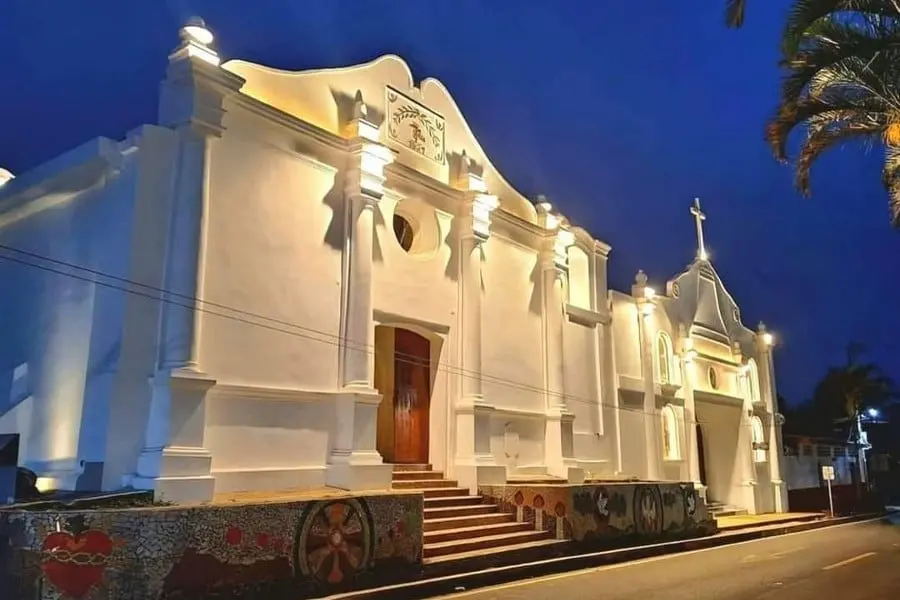
Most travellers zoom through Salcoatitán on their way to Juayúa or Ataco — and that's exactly why it's worth slowing down. This small town in the hills of Sonsonate, western El Salvador, sits on the famous Ruta de las Flores but keeps a low profile, offering colourful streets, wood-fire cooking and a genuinely unhurried feel.
The name itself is a history lesson. Locals trace it back to Quetzalcóatl, the feathered serpent deity of Mesoamerica, with interpretations including "Place of Quetzalcóatl" and "Place of Serpents and Quetzals." Coffee later shaped the town, as it did much of El Salvador's western highlands, and agriculture still threads through daily life.
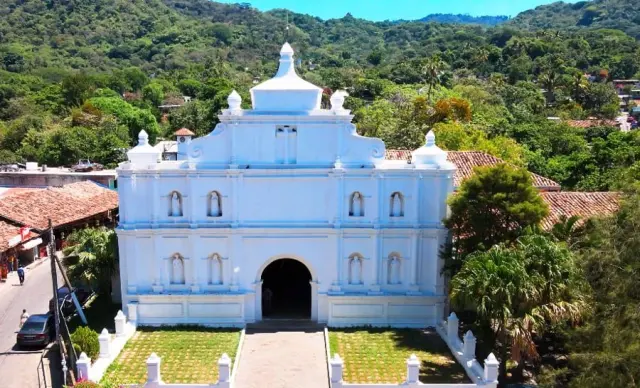
Start at the central park, where the compact historic center puts food stalls, small shops and religious landmarks within a few minutes' walk. Just outside town, Plaza La Ceiba holds the star attraction: a giant ceiba tree locals believe is over 300 years old. In Indigenous tradition the ceiba is sacred, and old stories tie the tree to the ox carts that once hauled goods between Salcoatitán and Sonsonate.
There's an unexpected cultural stop, too. The Museo de la Imprenta (also known as Germinal) traces the history of printing in El Salvador through old presses and printing equipment — an unusual find in a town this size. Beyond the museum, keep an eye out for murals, mosaics and artisan work scattered through the streets.
But food is the real draw. Yuca salcochada, cooked over a wood fire, is the town's signature dish, alongside pupusas, fried yuca and other regional staples. Weekends bring a gastronomic festival around the town center, when visitors from along the route pile in to eat. That's when Salcoatitán is at its liveliest; weekdays, by contrast, are quiet and good for photos and slow wandering.
Timing matters for another reason: the town celebrates its patron saint, San Miguel Arcángel, throughout November, with religious processions and community events that give outsiders a rare window into local tradition.
Practically, Salcoatitán works best as a short stop rather than a full-day destination. It's roughly 85 kilometres from San Salvador — drive west toward Sonsonate, then climb into the Ruta de las Flores highlands. Public transport usually means getting to Sonsonate first, then catching a connecting service toward Juayúa, though schedules should be checked before you go. From here, Nahuizalco, Juayúa, Apaneca and Concepción de Ataco are all easy additions to the same trip.
The elevation keeps temperatures cooler than the coast, so walking is comfortable year-round. May to October brings greener hills and afternoon showers; November to April delivers more reliably dry sightseeing weather.
Salcoatitán won't wow you with monuments. Its appeal is simpler: a centuries-old tree, honest food, public art and everyday Salvadoran life — a reminder that the best stops on the Ruta de las Flores aren't always the loudest ones.