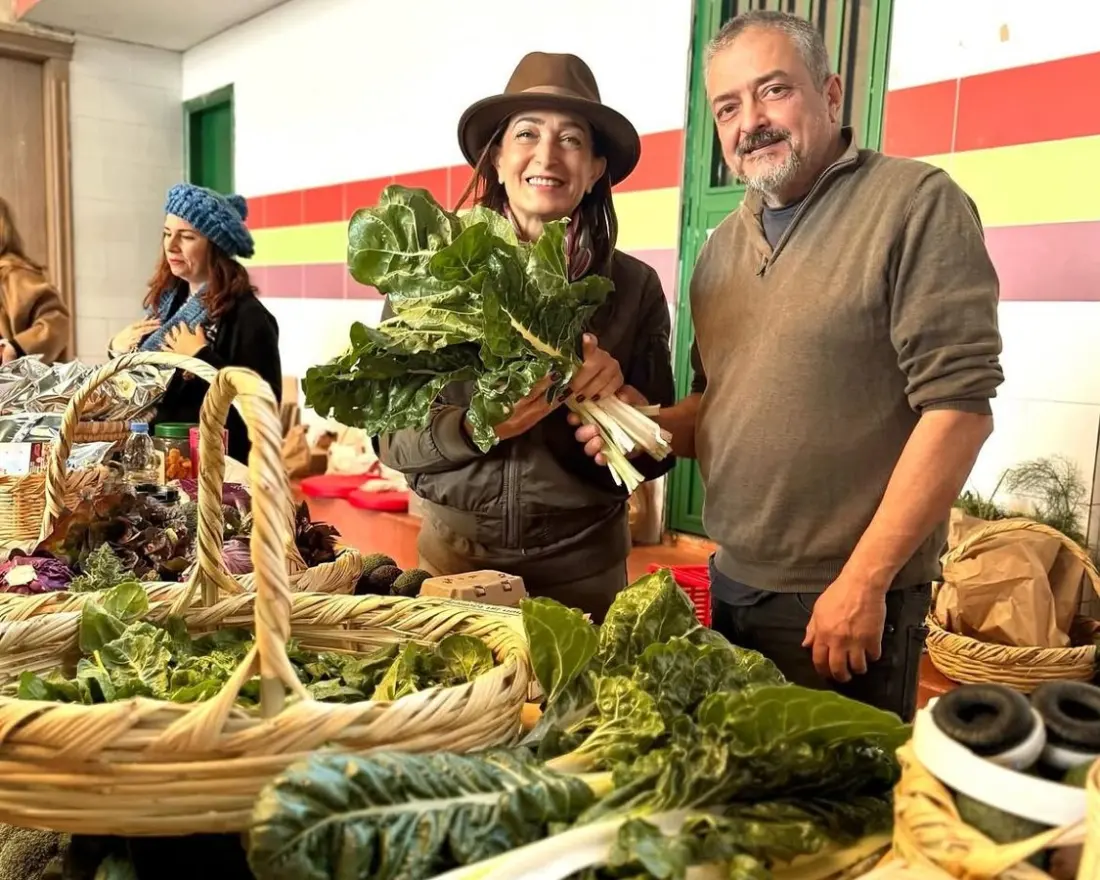
Lebanon's farmers' markets have quietly become one of the best ways to get under the country's skin. Beyond the usual souvenirs, these weekly gatherings let you buy directly from growers and village producers — seasonal fruit and vegetables, jars of mouneh (the traditional Lebanese pantry of preserves and pickles), honey, mountain bread, zaatar and jams. If you're visiting, timing your stay around one or two of them is an easy way to eat well and meet locals in the process.
In Beirut itself there's plenty of choice. Badaro Urban Farmers Market runs every Sunday from 9 am to 1:30 pm at Collège Saint-Sauveur, with an emphasis on environmentally conscious farming and short supply chains. Souk El Balad sets up every Wednesday from 9 am to 3 pm at Gefinor Centre in Hamra, mixing fresh produce and mouneh with crafts from local artisans. On Gouraud Street in Gemmayze, Gemmayze Market – Ya Ayni Al Baladi trades on Tuesdays and Saturdays, part of a wider initiative supporting farmers, cooperatives and small vendors across the country. There's also a Thursday-morning Urban Farmers Market in the Mtayleb/Rayfoun area, where food stations and local specialties make it as much an outing as a shopping run.
The granddaddy of them all is Souk El Tayeb, running since 2004 and arguably Lebanon's most famous farmers' market. In early 2026 it moved from Mar Mikhael to a new 5,000-square-meter site in Jisr El Wati–Tahwita, now a community hub hosting cultural and educational events alongside the core Saturday market (9 am to 2 pm). Expect regional specialties from across Lebanon — different areas do their mouneh, dairy and baked goods in distinctly different styles, and stalls are often organised by region.
North of the capital, Tripoli is the newer story. Tripoli Urban Farmers Market launched in 2025 at King Fahd Public Garden with backing from the Lebanese Farmers Markets Coalition and the municipality. It runs Saturdays from 9 am to 2 pm, and the stalls genuinely go beyond the capital's reach: goods arrive from Akkar, Ehden and across North Lebanon — sourdough and brioche alongside saj, markouk flatbread, honey and jams, plus flowers and natural products. Pairing it with a wander around Tripoli's old town and its famed street food makes for a strong day trip.
For travellers, the appeal is twofold. First, the food: this is the freshest possible introduction to Lebanese ingredients, and many stalls offer tastings or things you can eat on the spot. Second, the setting — every market is in a different neighbourhood or town, so it doubles as a walking itinerary. Buy bread, zaatar, honey and preserves to take home; they travel better than fresh produce and are exactly what Lebanese households actually eat. Go hungry, arrive early, and bring small notes.
Thanks to Lebanon Traveler for the original market roundup.