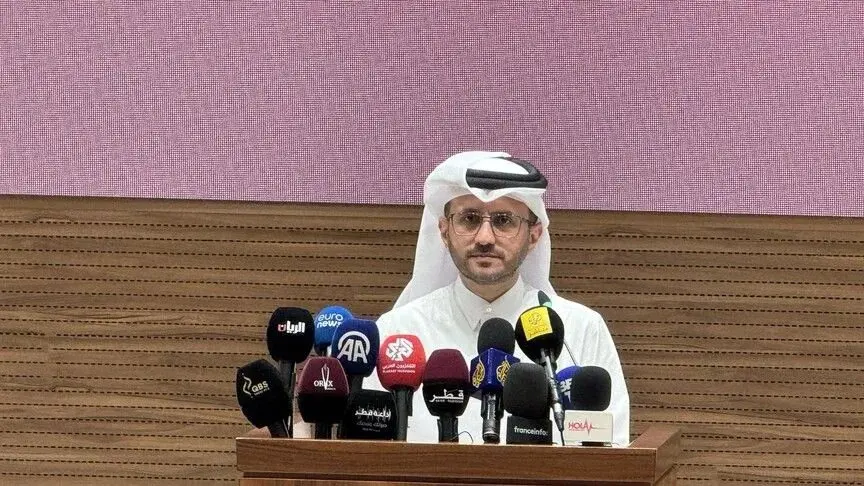
Qatar is holding a fresh round of talks with Iran this week, part of its ongoing attempt to keep negotiations between Tehran and Washington alive amid rising tension in the Gulf. Majed Al Ansari, the foreign ministry's official spokesperson, confirmed the meeting at a weekly briefing in Doha, saying it builds on earlier contacts aimed at narrowing the two sides' positions.
The timing matters. On 2 November a Qatari delegation spent roughly three hours in Tehran discussing the proposals currently on the table. Al Ansari warned bluntly that the current escalations in the Gulf pose a grave danger — not just to freedom of navigation and the global economy, but to any chance of an agreement that could spare the region wider conflict. His message to all parties was simple: show restraint, because escalation makes a diplomatic settlement harder with every step.
Qatar's mediation portfolio doesn't stop there. The same briefing covered Gaza, where Al Ansari said aid is not entering the Strip, targeting continues and Israel violates the ceasefire agreement daily. He flagged the occupied West Bank as another flashpoint, describing changes there as the most significant in decades, and pointed to continued strikes on villages and infrastructure in southern Lebanon. Doha says it will keep working with international partners to push for full implementation of the Gaza ceasefire.
There was also news on defence. Qatar and Türkiye signed a mutual defence agreement in Istanbul on 13 November, after the 12th session of their Supreme Strategic Committee, chaired by Sheikh Tamim bin Hamad Al Thani and President Erdogan. The pact commits both countries to a joint response to any external armed attack, plus expanded military exercises, defence industry cooperation and personnel exchanges. Al Ansari said regional states, Qatar included, are working towards a broader regional security system built on joint defence — pointing to the Türkiye agreement and the Badr Memorandum signed in Doha as building blocks.
Why should travellers care? Because the Gulf is a major hub for long-haul flying, and any disruption to freedom of navigation in the region ripples straight into flight routes, insurance costs and ticket prices. Doha's Hamad International is one of the world's busiest connecting airports, and Qatar's diplomacy is largely aimed at keeping the region open and stable. For now, flights continue as normal and Qatar remains one of the more accessible Gulf states for visitors — but anyone planning travel through the region in the coming months should follow the news and check their airline's advisories before booking. Source: Doha News