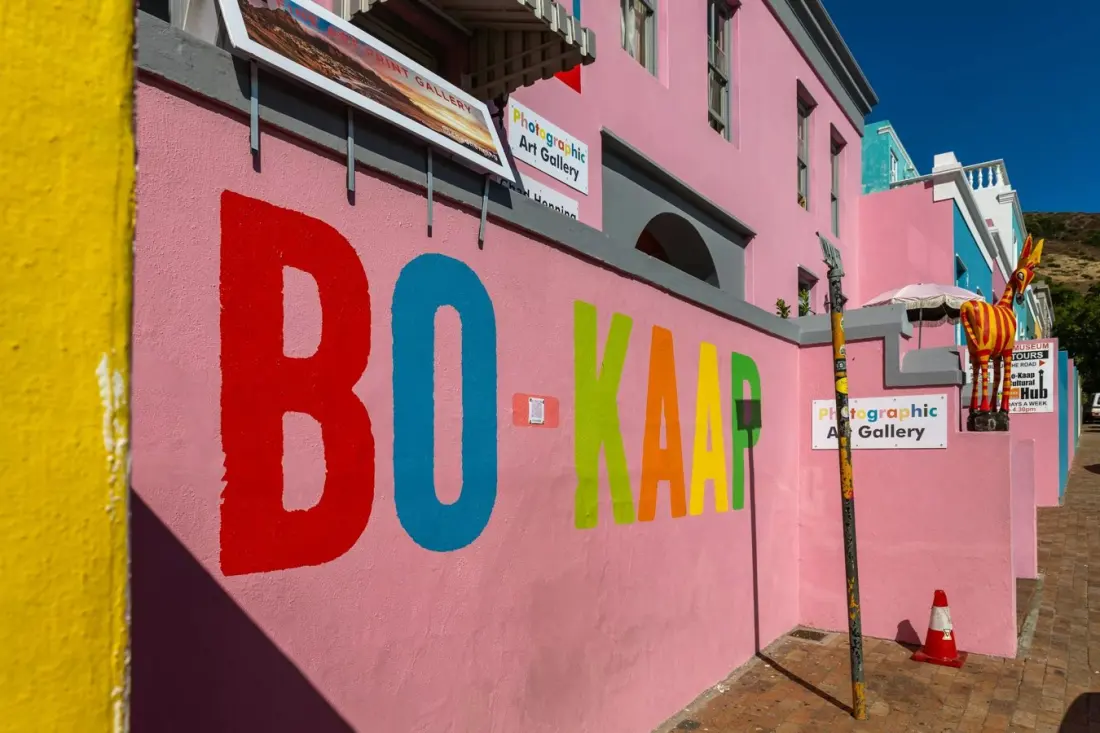
The pastel houses and cobbled lanes of Bo-Kaap have become one of Cape Town's most photographed backdrops — but the people who live there say the cameras have come at a cost. On Wednesday 11 November, residents marched through the neighbourhood to demand tighter tourism regulations, arguing that rising visitor numbers, traffic chaos and disrespectful behaviour are eroding daily life in the historic Cape Malay quarter.
Ebrahim Christian, vice-chairperson of the Bo-Kaap Civic and Ratepayers Association, made the practical case: the area's narrow streets and scarce parking were never built for today's tour buses, rental cars and photo-seeking crowds. Residents report struggling to reach their own homes and park near them. The association is also critical of commercial operators — including art galleries running from residential-zoned properties — who profit from the neighbourhood's appeal while the community absorbs the disruption.
To be clear, the community is not anti-tourism. Christian put it bluntly: Bo-Kaap is a living residential community, not an open-air attraction where locals simply tolerate whatever inconvenience arrives. What residents want is a better deal — tourism revenue that actually reaches local traders and families, better traffic and parking management, stronger protection of privacy and safety, and tour operators who employ knowledgeable local guides rather than outside companies. Projects like the Bo-Kaap Community Market already show what resident-led tourism can look like, giving local traders a platform to sell products and share the area's heritage on their own terms.
For anyone planning a Cape Town trip, the message is simple and useful. Bo-Kaap's candy-coloured terraces belong to families who have lived there for generations — many descended from the Cape Malay community whose history is central to the city's identity. Visiting well means parking legally and considerately, asking before photographing people or homes, keeping noise down in residential lanes, and spending your money at locally owned food spots and shops rather than just snapping pictures and moving on. Hiring a local guide is one of the best ways to see the area: you'll get real context on its history, cuisine and culture instead of a superficial photo stop.
The protest is a timely reminder of a shift happening across popular destinations worldwide: communities are no longer willing to be silent backdrops. In Bo-Kaap's case, the ask is reasonable rather than exclusionary — visit, but support the neighbourhood rather than exploit it. Travellers who take that on board will get a far richer experience of one of South Africa's most distinctive corners anyway.