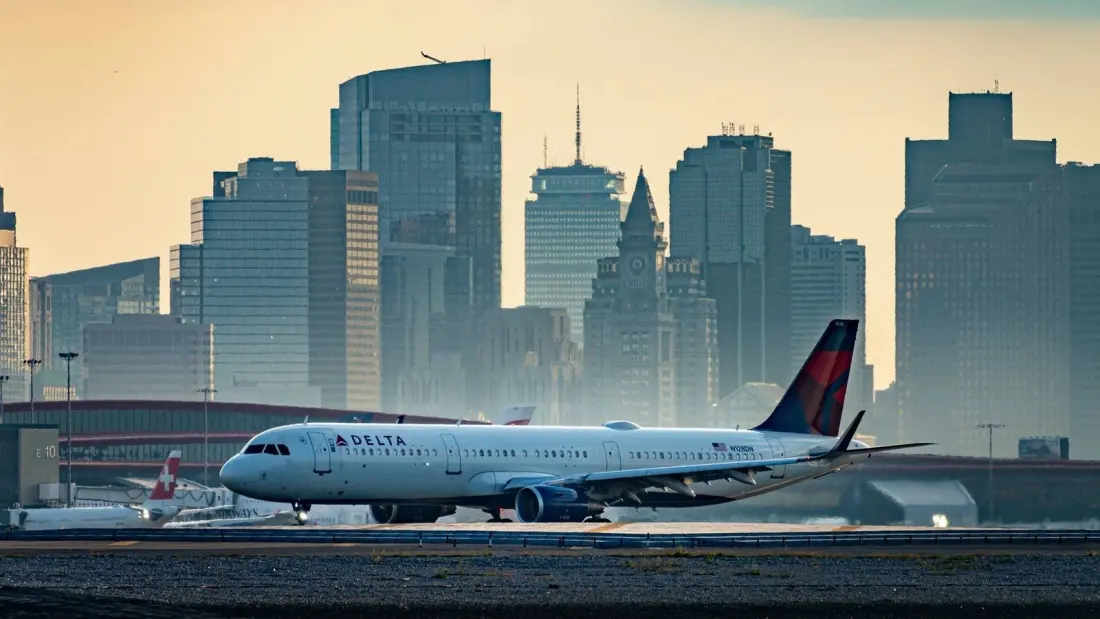
A fierce nor'easter over the weekend left Boston Logan International Airport with barely two days of jet fuel in reserve, forcing airlines to get creative just to keep planes moving. The storm blocked fuel barges from sailing north from New York City, cutting off the main supply line into the busiest airport in New England.
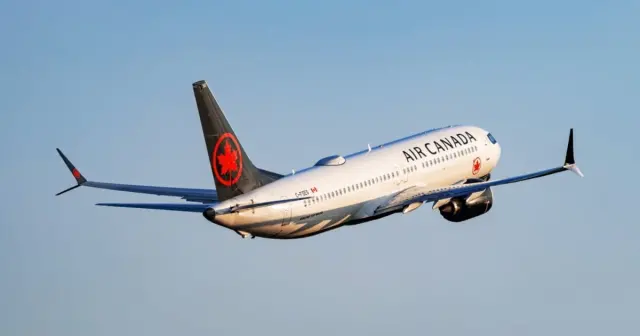
With ships unable to dock, Massport — the airport's operator — asked carriers to "tanker" fuel: airlines loaded extra fuel onto inbound aircraft so departing flights needed less on the ground in Boston. It's a neat workaround on short hops, but far less practical for transcontinental and long-haul services, where carrying extra fuel costs weight and range. Aviation watchers also reported that some departures may have needed to make fuel stops at other US airports, adding time to journeys.
The result was a rough Saturday: FlightAware logged roughly a quarter of all flights that day as delayed or cancelled, though it's hard to separate how much was the storm itself versus the fuel squeeze. JetBlue and Delta both confirmed their operations were affected. The airport's fueling consortium said reserves would cover the weekend, with normal barge deliveries expected to resume as the weather eased this week.
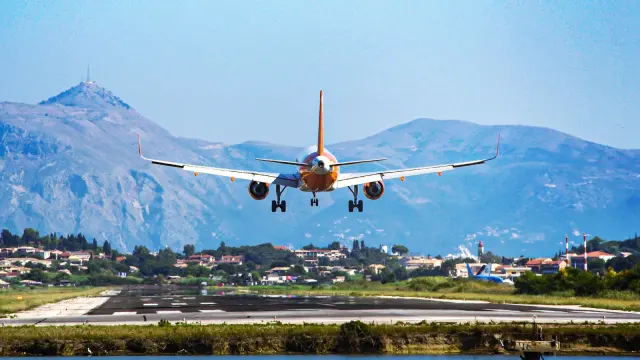
The scale of the disruption matters because of how big Logan is. More than 42 million passengers passed through on 407,000 flight operations in 2025, with six runways handling everything from regional turboprops to the Airbus A380. Delta is the largest carrier with a 27.2% share, followed closely by JetBlue at 25.4%, then American, United and Southwest. Its busiest domestic routes link Boston with Chicago, Atlanta, Washington, Orlando and San Francisco, while the top international destinations include London Heathrow, Paris, Dublin, Amsterdam and Aruba — routes exactly the kind that tankering can't easily support.
For anyone flying through Boston in the days after such a storm, the practical lesson is simple: check your flight status directly with your airline before heading to the airport, and build some slack into connections. Weather-driven fuel shortages like this one are rare, but coastal nor'easters hitting New England aren't — and when supply chains stall, delays and even technical fuel stops can follow. If you were booked on an affected flight, rebooking and refund options typically apply, so it's worth contacting your carrier promptly rather than waiting at the terminal.
Shipments were expected to return to normal this week as conditions calmed, so the disruption should be short-lived. Still, it's a reminder that even a major hub serving tens of millions of travellers a year can be brought to the edge by a few days of wild weather offshore.