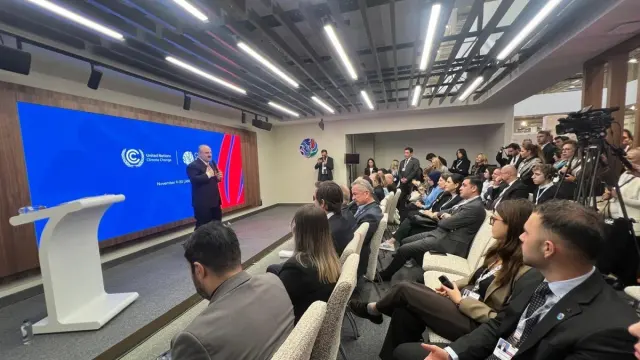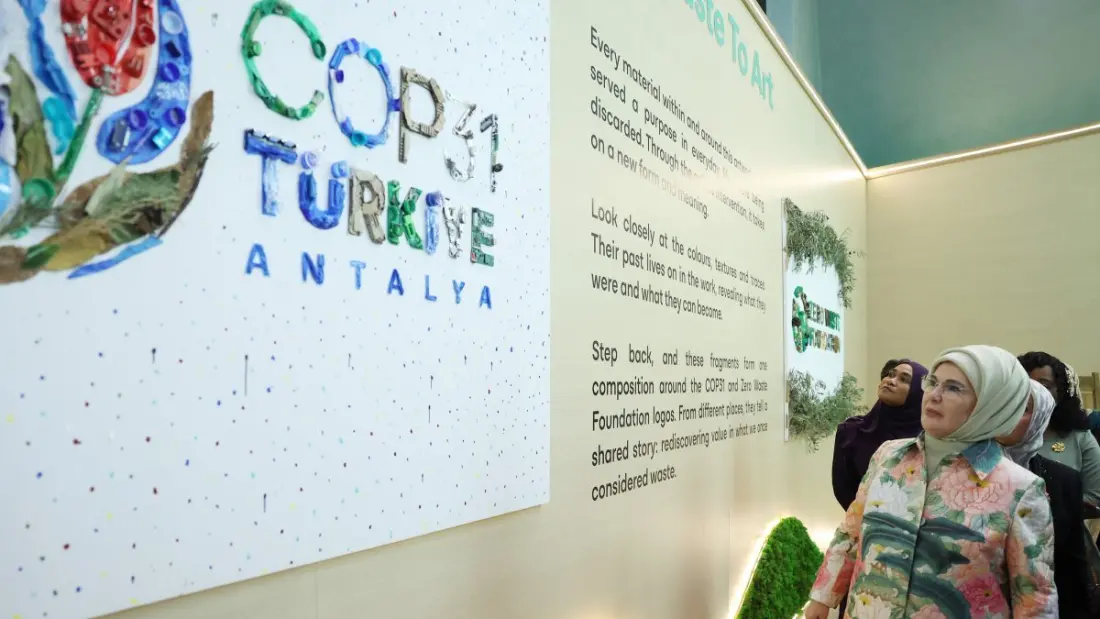
A striking five-leaf-shaped building has appeared in the Blue Zone of the UN climate summit in Antalya, and it's less about policy papers and more about what you toss in the bin. Türkiye's Zero Waste Museum opened its doors at COP31 this week, inaugurated by first lady Emine Erdoğan in front of an unusually starry guest list: the spouses of several heads of state, including representatives from Mauritania, Palau, Burundi and the Maldives, plus Turkish ministers and Zero Waste Foundation president Samed Ağırbaş.
The museum tells the story of Türkiye's Zero Waste Project, launched back in 2017, and its nine years of results in waste prevention, recycling and circular economy practices. Inside, interactive exhibits and digital installations walk visitors through the environmental cost of waste, how recycling actually works and how everyday consumption habits shape resource use. It's built to be touched and tried, not just read about.
Two installations stand out. The 2035 Message Wall lets visitors record video messages aimed at the future, while the Commitment Tree is built around a live olive tree more than 30 years old — guests write their environmental pledges for 2035 on leaf-shaped cards and pin them on. There's also a digital tree where delegations posed for photos, and artworks woven in among the displays.
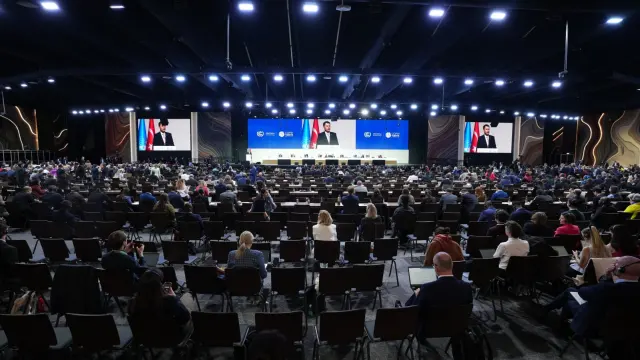
The museum is one part of a bigger Turkish push at the summit. On Nov. 11, Erdoğan hosted a high-level meeting of leaders' spouses for the Global Zero Waste Alliance, laying out five cooperation priorities: circular economy, plastic and packaging waste, zero waste zones, food and organic waste, and education for young people. At a leaders' roundtable on zero waste and methane, organised with the COP31 Presidency and the International Energy Agency, she cited projections that global municipal solid waste could double to around 4 billion metric tons by 2050, calling for at least a 50% cut in the projected increase by 2035. Even her luncheon for visiting spouses got the treatment, with Anatolian dishes, traditional natural dyeing displays and table arrangements built from repurposed materials and living plants.
For travellers already in Antalya during the summit or heading to the Turkish Mediterranean later, this is a reminder that the city is wearing a sustainability badge right now — and that a growing network of zero waste initiatives, from recycling infrastructure to reuse-focused events, is shaping how Turkish destinations manage tourism's footprint. If a version of the museum travels or finds a permanent home after COP31, it would make an easy, thought-provoking stop for families curious about how their own habits stack up.
Story via Daily Sabah Travel