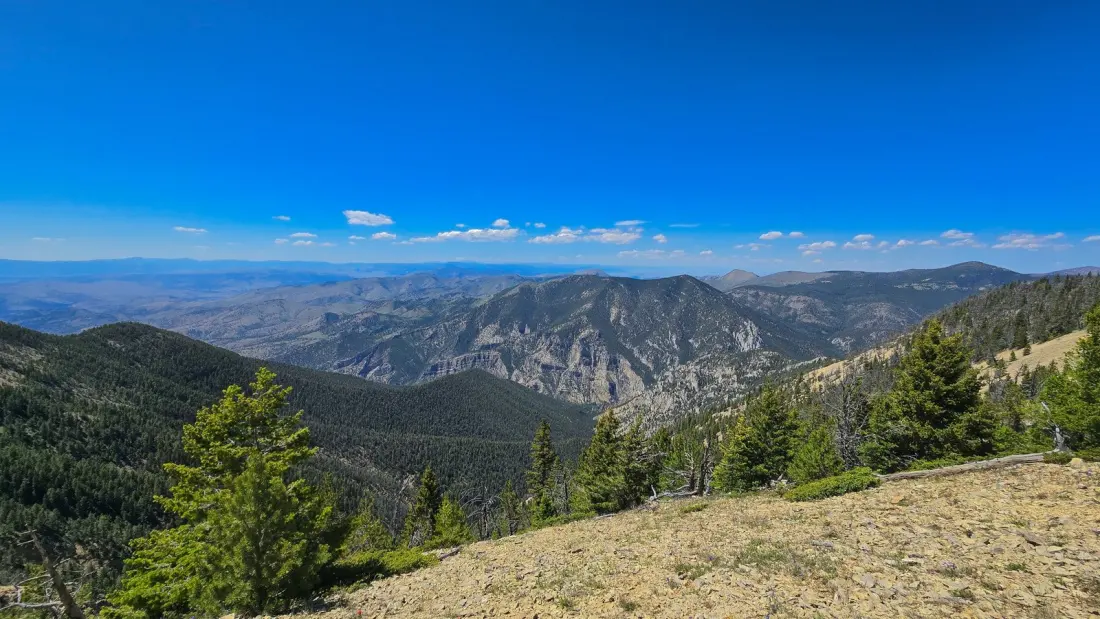
Two hours north of Yellowstone sits a stretch of Montana wild country that out-sizes the famous park itself. Helena-Lewis and Clark National Forest covers roughly 2.8 million acres across central and west-central Montana — about 600,000 acres more than Yellowstone — and unlike the park, it lies entirely within one state. The forest was formed by merging two much older forests, the Helena and the Lewis and Clark, each protected for more than a century, so much of it looks much as it did when the Lewis and Clark Expedition first passed through.
Because the forest sprawls over the Continental Divide, streams on one side eventually reach the Pacific while those on the other flow to the Atlantic — a quirk you can literally hike between. What you won't find here are Yellowstone's hydrothermal features; everything else is up for grabs, from mountain ranges and designated wilderness areas to rivers, lakes and waterfalls.
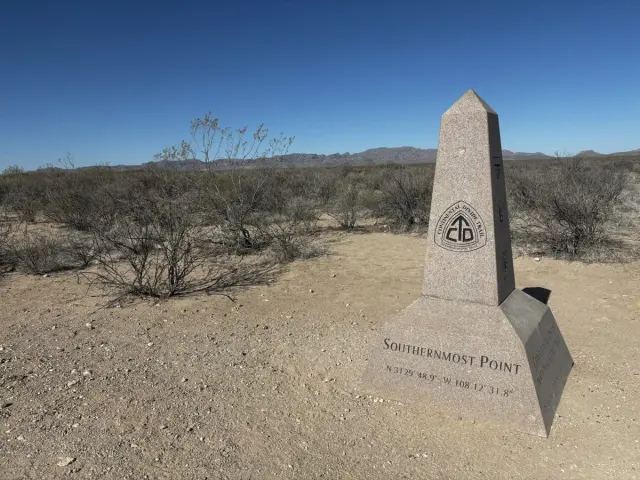
There are more than 1,000 miles of trails, serving hikers, mountain bikers, horseback riders and, in winter, cross-country skiers, snowshoers and snowmobilers. A 67-mile segment of the 3,100-mile Continental Divide National Scenic Trail crosses the forest, with day-hike access at four passes: Flesher, McDonald, Rogers and Stemple. Above the treeline the panoramas open up wide. Shorter options abound too — the 1.3-mile Memorial Falls Trail (moderate) leads to a waterfall dropping over a rocky ledge, while the easy Missouri River Beaver Creek Trail follows the river to the Beaver Creek Recreation Area.
For an overnight with a view, book one of two fire lookout towers dating from the 1930s Civilian Conservation Corps era. Monument Peak has two beds and room for tents outside; Granite Butte sits right beside the Continental Divide Trail with one bed and three cots. There are also rental cabins and 34 campgrounds across the forest.
Wildlife watching is a big draw. Expect to spot beavers, porcupines, chipmunks and woodchucks, plus mule and whitetail deer, bighorn sheep, elk, moose and Rocky Mountain goats. Lynx and wolverines are rarer sightings, and bald eagles, hawks and owls patrol the skies. This is genuine bear country, though — both black bears and grizzlies live here, so the Forest Service stresses proper food storage, making noise on trails, carrying bear spray and knowing what to do in an encounter.
Access is easy from several directions since the forest touches 17 counties, but Helena, Montana's capital, is the main hub, with the principal gateway on I-15 just outside town. The nearest commercial airport is Bozeman Yellowstone International (BZN), about 90 miles away.
Why it matters: if your idea of a great national park trip is the scenery and wildlife rather than the gift-shop queues, this forest delivers the same drama with a fraction of the foot traffic — and it works just as well for a day hike, a summer camping run, or a snowy winter escape.