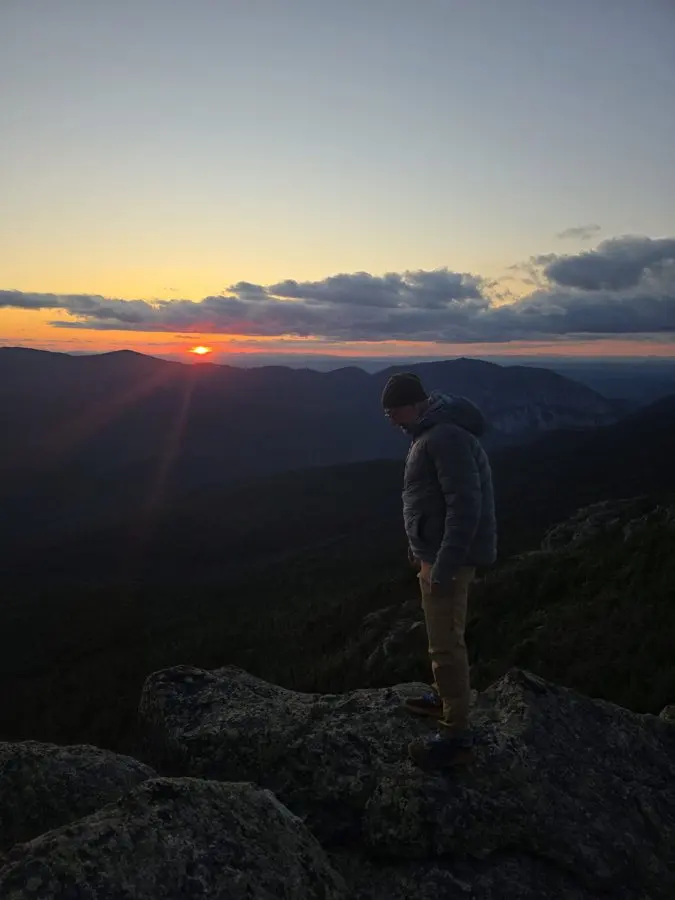
A hiker's slow-motion account of an Appalachian Trail season that started with spring wildflowers and ended with a shattered ankle in New Hampshire's White Mountains is a useful reality check for anyone eyeing a long trek. The writer, a Midwest transplant attempting a 2026 AT thru-hike, fell while descending Mount Garfield in the rain on 17 August, breaking both bones in the ankle in three separate places. A 911 call brought out Pemmigewasset Search and Rescue, and while waiting for the team, the hiker was ceremonially 'knighted' into the Knights of the Appalachian Trail — a trail-community tradition for injured hikers.
The rescue wasn't the end of the logistics. The hiker's mother and son drove 17 hours to North Woodstock, New Hampshire, to avoid a crutch-and-backpack journey home across planes, trains and buses. A local group, the Old Colony Ski Club, put the family up in the days after the accident. Surgery followed back home, along with a rough case of post-hike depression the writer says nobody warned them about — compounded by being immobilised and unable to manage basic daily tasks.
What's interesting for prospective hikers is the contrast drawn between trail sections. After resuming the hike in July, the writer found Massachusetts, Vermont and New Hampshire a world apart from the drought-hit southern sections left behind in Virginia — denser, lusher forest. And Vermont, they found, is nothing like New Hampshire: Vermont offers gentler solace, while New Hampshire, 'Vermont's angry older brother,' delivers constant, punishing challenge. The Whites are famously where many thru-hike dreams stall, and this story is a fresh data point.
The piece ends unresolved, which is part of its appeal. The writer is still weighing a return to finish the trail, talking about 'machinations' toward completion and writing up memorable episodes from the hike. For anyone planning an AT section in the Whites, the takeaways are practical: rain makes New Hampshire's granite descents genuinely dangerous, SAR response exists but you'll want insurance and an emergency plan, and the towns around Franconia Notch — North Woodstock among them — have a real culture of helping hurt hikers. It's a story of a holiday goal interrupted, told with humour, and a reminder that the trail will still be there after surgery.