The US Department of State currently rates El Salvador at Level 1 — 'exercise normal precautions' — the lowest risk tier on its four-level scale. That makes it the only country in Central America to hold the rating, sitting above Costa Rica, Panama and Belize (all Level 2) and Guatemala, Honduras and Nicaragua (Level 3).
The upgrade reflects a dramatic security shift. Since the government launched its State of Exception in March 2022 to dismantle the gangs that once defined the country's reputation, gang activity and violent crime have fallen sharply. In its latest advisory, dated June 25, 2026, the State Department credits that drop for the improved classification — putting El Salvador in the same bracket as Canada, Japan, Australia and Iceland.
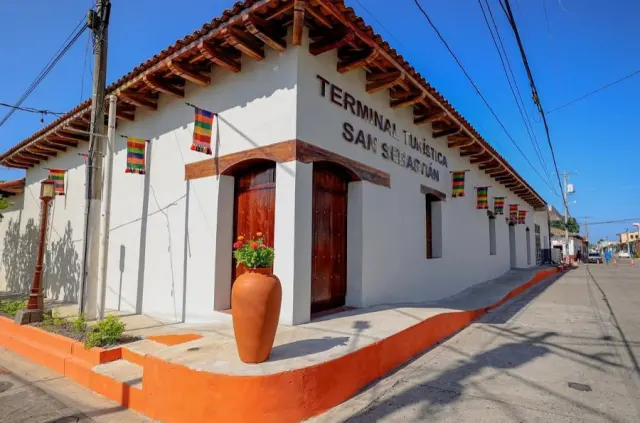
For travellers, this changes the calculus. A country many people wrote off for decades is now formally rated safer, on paper, than some of the region's most established tourist destinations. That matters for small hotels, family-run restaurants and local guides who have long worked against outdated perceptions.
But Level 1 doesn't mean 'no risks'. The advisory still flags several things visitors should know. The State of Exception suspended certain constitutional protections, and the US government has raised concerns about arbitrary detention and limited due process — worth understanding, especially since some items legal in the US may be restricted in El Salvador.
Driving needs care too. Rural roads can be poorly lit and winding, with landslides in the wet season, so longer drives are best done in daylight. El Salvador also enforces zero tolerance for drinking and driving. And while the rules don't apply to tourists, it's telling that US government staff are barred from intercity night travel and from using public buses — precautions many visitors choose to mirror.
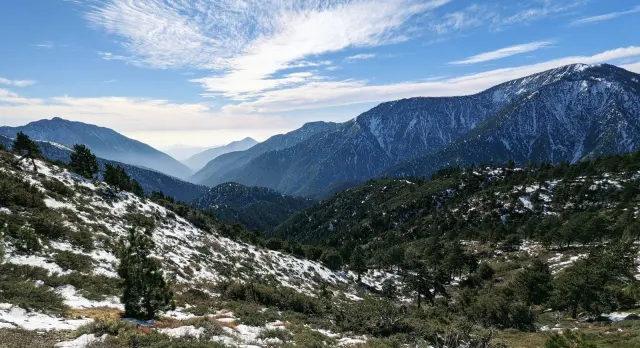
None of this should stop you going. It just means travelling the way you would anywhere unfamiliar: check the current advisory before booking, learn the local laws, and plan realistically. The reward is a country most visitors still haven't discovered — colonial streets in Suchitoto, volcano hikes around Santa Ana, and a Pacific surf coast that doesn't feel overrun.
For anyone who dismissed El Salvador years ago, the advisory is a good reason to look again. Just go informed.