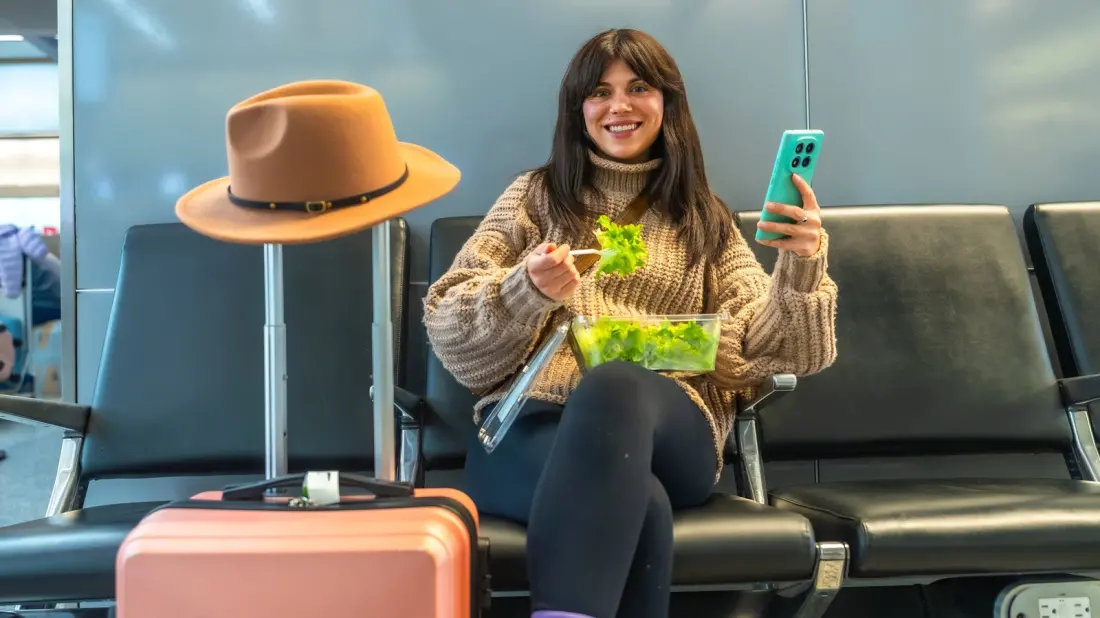
Boarding is delayed, the gate is packed, and the person wedged next to you has just unwrapped something aggressively garlicky. We've all been there — and a recent piece argues the gate is genuinely one of the worst places in the airport to eat, both for hygiene reasons and basic courtesy.
The hygiene case is straightforward. Gates are among the most crowded spots in any terminal, and airports in general rank high on the list of germ-heavy places travellers pass through. Check-in kiosks, handrails and seat armrests get handled by thousands of people daily, many of whom haven't washed their hands. Eating there means your meal is exposed to all of it — including fellow passengers who decided to fly anyway while feeling unwell. A sneeze a foot away from your burrito is not the seasoning anyone wants, especially given what airport food already costs.
Then there's the etiquette side, which airline crew have colourfully acknowledged with the nickname "gate lice" for crowds milling around before boarding. Seating is scarce, delays are stressful, and space is tight. Smelly choices — seafood, hard-boiled eggs, anything heavy on garlic, onion or spice — travel further than you'd think in a crowded row. Messy ones are worse in a different way: sauce-drenched barbecue items leave sticky fingers on shared surfaces, and stray fries and crumbs have a way of landing on a neighbour's lap, bag or clothes. Loud eating and fumbling for condiments can also drown out gate announcements, which matters when boarding groups change at the last minute.
Beverages get a mention too. Fountain soda machines are notoriously hard to clean and heavily used at busy airports, so the nozzle itself is a suspect surface. And carbonated drinks before a flight are a known recipe for bloating and discomfort at altitude, since trapped gas expands in the cabin. The practical alternative: a sealable water bottle.
None of this means you should fly hungry — it's about choosing smarter. Tidy, low-odour snacks like baby carrots, crackers or a banana beat a kiosk sushi tray or a saucy burger in a standing-room gate. Keep to your own space while eating, and save the big, fragrant meals for the restaurant or for after boarding, where tray tables and a bit of distance make it a fair fight.
For anyone who flies regularly, this is a small habit change with an outsized payoff: you avoid the grease stain, the side-eye and the germ exposure, and you quietly make everyone's wait a little less miserable. Frequent flyers, nervous flyers and anyone travelling in peak season crowds will get the most out of it.