Australia's tropical seas are having a busy month. A brand-new genus of deep-sea worm has been formally named, the Great Barrier Reef's famous annual coral spawning is kicking off, and researchers have spent nearly two decades eavesdropping on one of the ocean's shyest whales. Here's what's going on beneath the surface.
First, the worms. During research voyages aboard CSIRO's vessel Investigator to the seamounts near Christmas Island and the Cocos (Keeling) Islands, scientists collected more than 850 specimens and pulled seven new species out of the haul — including two belonging to an entirely new genus, Terebellosuctoria. These 'spaghetti worms' grow to about 75mm, sport bright orange bodies and, unusually, have sucker-like structures on their underside that apparently help them grip steep, sediment-poor seamount slopes. One specimen came from deeper than 670 metres, and the animal that first looked like a branching tree turned out to be a worm inside a casing it had built itself. Naming a whole new genus — not just a species — is a rare event in marine taxonomy, which says something about how little we know about life on the deep seafloor.
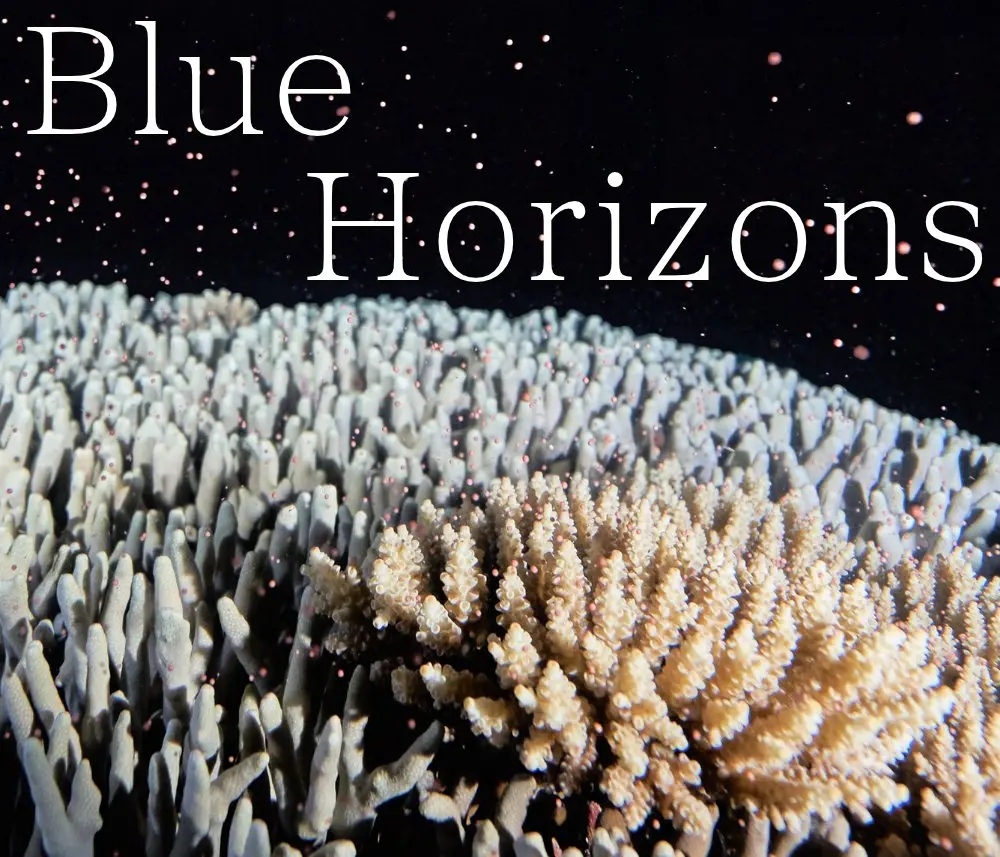
Then there's the reef's biggest party. Coral spawning, sometimes called the world's largest mass reproduction event, happens once or twice a year on the nights after the November full moon, triggered by water temperature, day length and the lunar cycle. Billions of coral polyps release egg-and-sperm bundles at once, sending a pink-and-white blizzard drifting up through the water. This year is a split-spawning year, with a second window expected 28–30 November. Divers and snorkellers who time a trip right can witness it firsthand — and 2026 also marks 45 years since Professor Peter Harrison first documented the phenomenon at Magnetic Island in 1981. His larval-seeding techniques, which rear coral babies and plant them on damaged reef, are now a cornerstone of restoration work after bleaching events.
Finally, the whales. Omura's whales were only recognised as a species in 2003 and are almost never seen, so Curtin University researchers analysed 18 years of underwater recordings from 35 sites across roughly 1,800km of ocean off north-west Australia. The 10-metre baleen whales call year-round but favour warmer months — roughly September to May — and their numbers tend to spike about a month after chlorophyll-a peaks, suggesting they follow plankton blooms. For a species listed as Data Deficient, acoustic tracking is the first real map of where they live.
Why should a traveller care? Because these stories point to the best times and places to get in the water. A late-November liveaboard or snorkel trip on the Great Barrier Reef could put you inside one of nature's great spectacles, the northwest coast offers the chance — however slim — of Omura's whale country in the warm season, and Christmas Island and the Cocos (Keeling) Islands are quietly emerging as frontiers for diving on barely-surveyed seamounts. It's a reminder that the ocean around Australia is still being discovered, and visitors get a front-row seat.