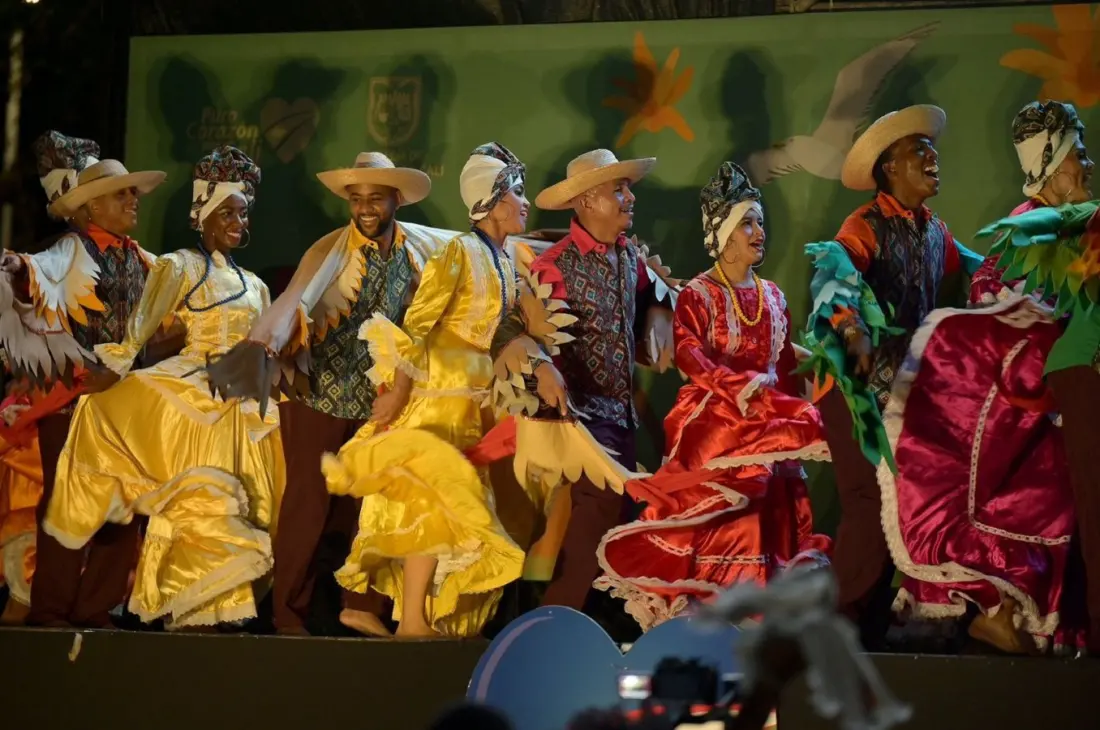
Cali's biggest cultural party is back on. The Petronio Alvarez Pacific Music Festival — the celebration of Afro-Colombian music from Colombia's Pacific coast — will hold its 30th-anniversary edition from December 11 to 13, 2026, at Acuaparque de la Cana, after the original dates were scrapped when an earthquake hit the city on August 10.
The quake damaged the Alberto Galindo Sports Complex, the usual home of the Petronio Festival Village, and inspections flagged structural problems at other large-event venues across the city. Rather than cancel, Cali's culture department vetted alternatives and settled on Acuaparque de la Cana, a park space deemed safe for a crowd of this size.
The trade-off is a slimmer festival. The beloved food, drink and craft market — where visitors graze on Pacific cuisine, ancestral beverages and handmade goods — won't happen this year because of infrastructure limits. Instead, the three days will concentrate on what the festival does best: music. Roughly 70 groups and 800 artists are expected, with 47 competing groups arriving from 22 municipalities across the region. Categories include marimba, chirimia with clarinet, Cauca violin and an open class, plus a new chirimia-with-flute category debuting on the final day.
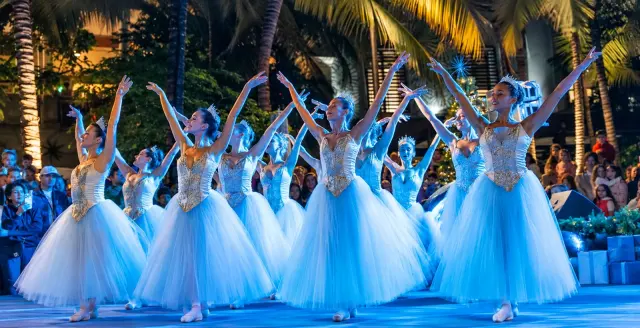
The programme is organised around three themed days. Friday, December 11, 'Roots That Flourish', opens with performances by Sankofa, Huellas Petronito, Jossman and Los Cucos as the competition kicks off. Saturday brings 'Pacific Songs and Enchantments', headlined by Herencia de Timbiqui, one of the region's most recognised acts. Sunday's closer, 'How Beautiful the Dawn Is', features La Contundencia and Grupo Bahia, a set from IUIPC Danzas, the competition finals, and a Winners' Gathering uniting past champions Saboreo, Semblanzas del Rio Guapi, Mavichi and Cantos de Rio — a nod to three decades of the festival.
Music isn't the only thread. An academic programme runs from the first week of December at venues including Centro Cultural Comfandi and CENCOSUD, covering Pacific traditions from piangua shellfish harvesting and traditional medicine to migration, patron saint festivals and climate change on the coast.
For travellers, this is a rare chance to catch Colombia's most important Afro-descendant cultural event in a stripped-back, music-first format. If you've always wanted to hear live marimba and chirimia in the city that hosts them, December 11 to 13 is the window — just go expecting concerts and competitions rather than the sprawling market village of previous years.