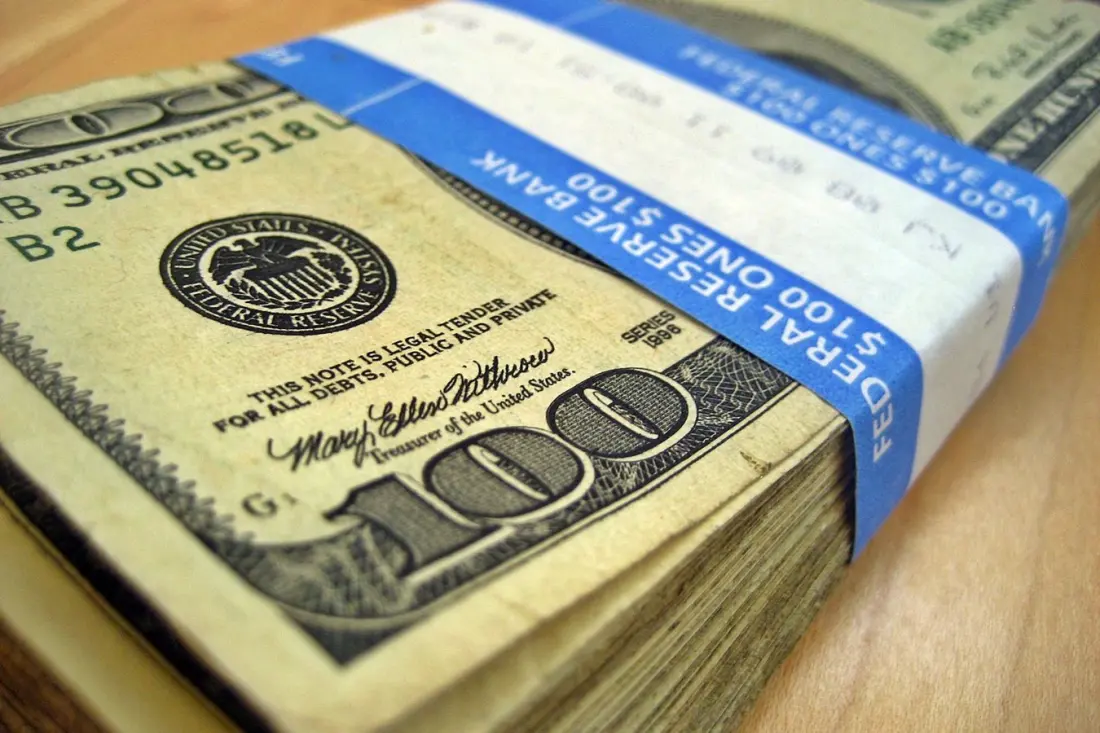
The US dollar has climbed back above 3,500 Colombian pesos, closing at COP 3,506.54 on Monday, November 23 after touching an intraday high of COP 3,538.10. That's a sharp reversal: for much of early November, the rate sat near COP 3,200, meaning the peso weakened by more than 7% in under three weeks. For anyone planning a trip to Colombia, the timing matters — your dollars, euros or pounds now stretch noticeably further than they did a month ago.
The week of November 16 brought the dollar's biggest weekly gain of 2026, including a jump of COP 88.14 in the official TRM rate on the Thursday alone. Monday's session saw more than 1,200 transactions worth over US$1.3 billion, and the currency kept trading above COP 3,520 into Tuesday.
What's behind it? A mix of homegrown and imported pressures. In Colombia, investors are nervous about the government's proposed Fiscal Rescue Law — an adjustment of nearly COP 45 trillion (about US$12.8 billion) that is running into political friction in Congress. Abroad, signals that the US Federal Reserve may keep interest rates higher for longer are drawing money back to dollar assets, while falling oil prices hurt an economy that leans heavily on hydrocarbon exports.
For travellers, the upside is straightforward: accommodation, food, coffee tours and domestic flights priced in pesos have effectively become cheaper for foreign visitors. Hotels, guides and restaurants that charge in local currency will feel like a bargain compared to a year ago. The flip side hits Colombians travelling abroad — and foreign carriers or booking platforms that price in dollars may quietly cost more.
Where does it go from here? Forecasts are all over the place. Fedesarrollo and the Colombian Stock Exchange's survey had predicted rates near COP 3,288 for November and COP 3,284 for December, but those estimates predate the surge. Global66 sees COP 3,420 to 3,540 for late November, Alianza Research thinks COP 3,500–3,700 is possible in the months ahead, while Visión Davivienda still expects the peso to recover to around COP 3,276 by year-end. In short: expect volatility, not a settled rate.
Practical takeaway: if Colombia is on your list for early 2027, the current dip in the peso is a decent window. Use cards with low foreign transaction fees, watch the TRM published daily, and avoid changing money at airport booths where spreads are widest. And if the peso bounces back, nothing is lost — Colombia remains one of the better-value destinations in South America either way.