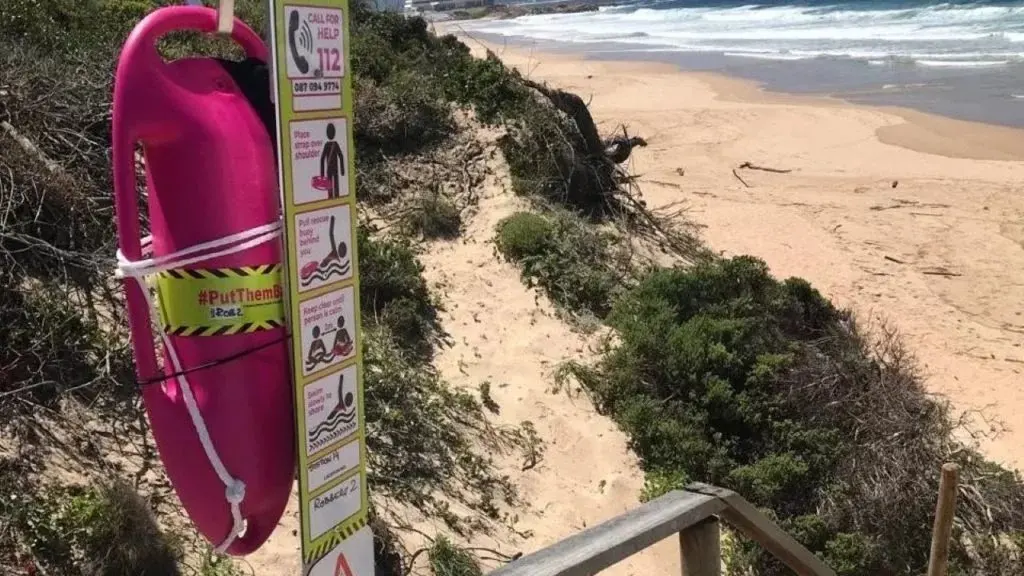
Those bright pink flotation devices mounted on stands along Cape Town's beaches aren't beach decor — they're rescue equipment, and some of them are disappearing. The National Sea Rescue Institute (NSRI) has appealed to residents and visitors to keep an eye on the buoys and report any that go missing, after several were stolen or removed from their posts along the coastline.
The numbers behind the programme are striking. More than 2,100 pink rescue buoys have been installed around South Africa's coast, and the NSRI credits them with helping to save 259 lives. The idea is simple: when someone gets into trouble in the water, a bystander can grab a buoy, throw or carry it to the person, and stay out of the surf themselves. It buys time until trained rescuers arrive — crucial at swimming spots where rip currents, unexpected waves and shifting conditions can turn a normal afternoon dangerous fast.
NSRI Station 14, which covers part of the Cape Town coastline, has publicly thanked beachgoers who have already flagged missing installations, which helps the organisation work out where replacements are needed. The team has replaced as many lost buoys as it can, but continued reports from the public make a real difference — a missing buoy that goes unnoticed is a gap in the safety net exactly where one might be needed.
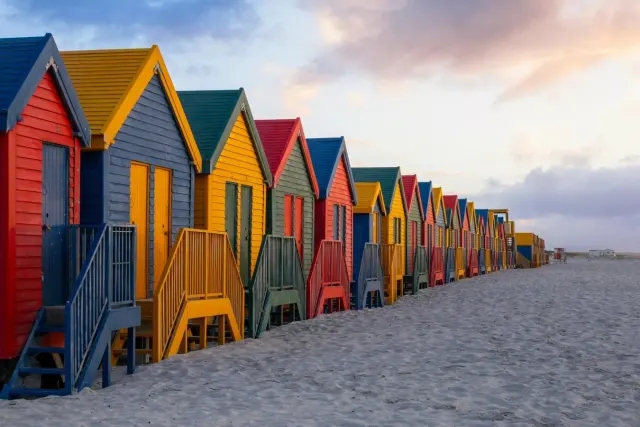
For travellers, this is worth knowing before a swim, not just as a feelgood story. Cape Town's beaches — from Muizenberg to Camps Bay — are hugely popular with visitors, and sea conditions on the Atlantic and False Bay coasts can catch even confident swimmers out. If you're heading to a beach, check where the nearest pink buoy station is before you get in the water. If you notice an empty stand or see someone tampering with the equipment, report it to the local NSRI station. Using a buoy in an emergency is exactly what it's there for; stealing or vandalising one removes a resource that has already saved hundreds of people.
The broader takeaway: some of the most useful safety infrastructure at a holiday destination is easy to overlook. A colourful post on the sand might look like council furniture, but in this case it's a proven lifeline — and keeping it in place is a community job that includes tourists as much as locals.