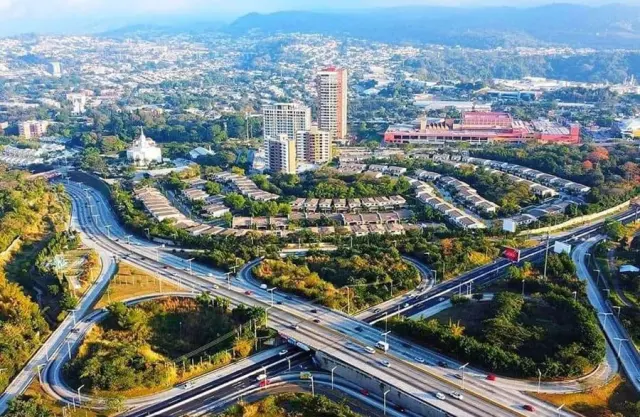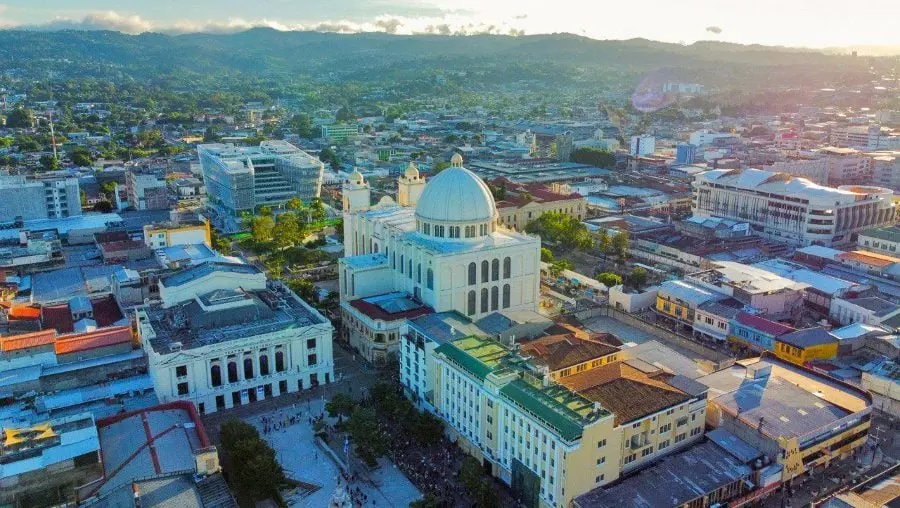
El Salvador, the smallest country in mainland Central America, has quietly become a serious option for retirees, remote workers and returning Salvadorans looking for a lower-cost life abroad. The case for moving there rests on a handful of concrete advantages — plus a few caveats worth knowing before you pack.
The financial picture is the headline draw. Everyday costs like rent, food, transport and services run well below what you'd pay in much of North America or Europe, especially outside trendy San Salvador neighbourhoods and the famous beach towns. Shopping at local markets and eating at pupuserías keeps the budget tight. That said, imported goods, private healthcare, international schools and prime-location housing can eat into the savings fast.
Money matters get simpler thanks to one quirky fact: El Salvador has used the U.S. dollar as its official currency since 2001. For Americans with dollar pensions or remote salaries, that means no exchange-rate headaches in daily life.
Then there's the security turnaround. Homicides have fallen dramatically — from 6,656 in 2015 to just 82 in 2025, with the country recording only 51 in the first ten months of 2026. That transformation has reopened public spaces and neighbourhoods that locals avoided for years. The government's state of exception has, however, drawn criticism over civil liberties and due process, so anyone considering a move should research specific neighbourhoods rather than rely on national statistics alone.
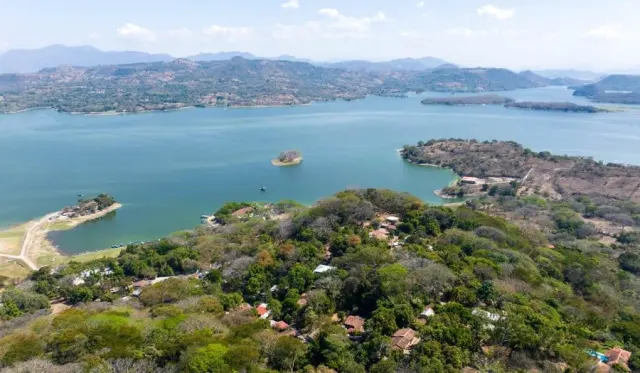
Lifestyle is another big sell. The climate is tropical and warm all year — dry from November to April, rainy from May to October — with cooler options in mountain towns like Apaneca and Santa Tecla for anyone who finds the coast too steamy. Weekends can revolve around the outdoors: surfing at El Tunco, El Zonte or El Cuco, hiking in Cerro Verde National Park, or trips to Lake Coatepeque and the Ruta de las Flores. Because the country is compact, city, coast and mountains are all within day-trip range, though traffic near San Salvador can stretch travel times.
Culturally, El Salvador is family-oriented and sociable, with festivals, neighbourhood gatherings and genuinely warm hospitality. Spanish matters here — English shows up in tourism businesses, but you'll want it for daily life. Practical infrastructure is decent but variable: internet, electricity and healthcare quality differ a lot by location, so check them before signing a long lease.
For holidaymakers, this reads as an early-adopter destination guide: surf towns, volcano hikes and colonial streets without the crowds of Costa Rica or Mexico. For anyone eyeing a longer stay, the mix of dollar convenience, low costs and year-round warmth explains why the country keeps appearing on relocation shortlists — with due diligence as the essential first step.