After years of record-breaking holiday numbers, Thanksgiving travel in the United States is finally taking a step back. According to AAA, 81.5 million Americans are expected to travel at least 50 miles from home between November 24 and 30 this year — a drop of 0.1% compared with the 81.6 million who did so in 2024.
A tenth of a percent sounds negligible, and it is. But the significance is historical: setting aside the pandemic-affected year of 2020, this is the first time since the 2008 recession that AAA has projected a Thanksgiving decline. Previous years kept climbing, even as costs rose and airports got busier. Older AAA projections used a shorter travel window, so the current figures aren't directly comparable further back, but within the modern measurement era this is a genuine break in the streak.
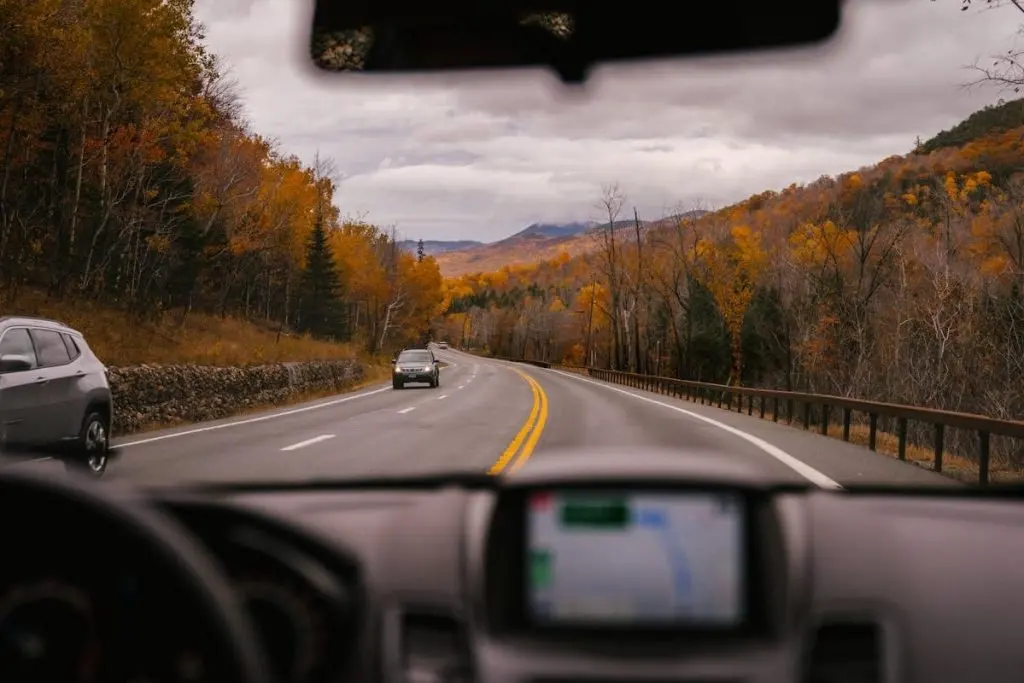
The culprit, per AAA, is higher fuel prices — both at the pump for the vast majority of travellers who drive, and jet fuel, which keeps airfares elevated. Gas, jet fuel and cruise costs all feature in the report's outlook, and road-trippers are the group most exposed to fuel price swings given how car-heavy American Thanksgiving travel is.
Still, the decline landed softer than analysts expected. AAA spokesperson Aixa Diaz noted that nearly a quarter of the US population is still planning to travel for the holiday. In other words, Americans aren't cancelling Thanksgiving — they may just be trimming trips, driving shorter distances, or cutting corners elsewhere to make the family dinner happen. If anything, the takeaway for travellers is that demand remains stubbornly strong heading into the busiest domestic travel week of the year.
What does this mean if you're travelling this Thanksgiving week? Expect packed roads and airports anyway — 81.5 million people is still an enormous number, and the dip won't be visible on the ground. The practical moves remain the same: book fuel and parking earlier if driving, fly on the Tuesday before or the Monday of the holiday week rather than Wednesday, and build in buffer time for the return on Sunday, when volume peaks. Anyone hoping lower demand might mean cheaper fares or emptier highways will be disappointed; a 0.1% decline changes almost nothing about the experience of travelling at peak Thanksgiving.
For the industry, the story is more interesting than for the traveller: if record streaks can snap on fuel prices alone, it hints at a ceiling on how much cost American households will absorb for holiday travel. Watch whether Christmas projections follow the same pattern.
Reported by Skift.