Cartagena de Indias marks its Independence Day on 11 November — the date in 1811 when it became the first province in New Granada to declare absolute independence from Spain. This year the public holiday shifts to Monday 16 November, but the celebrations fill the whole month, turning the city's walled streets into one long carnival.
The backstory matters. Founded by Pedro de Heredia in 1533, Cartagena grew into Spain's most important Caribbean port, a commercial and military hub for the empire. When Napoleon's 1808 invasion of Spain destabilised the Crown, independence movements spread across Latin America. In Cartagena, the push came from the streets rather than the elites: on 11 November 1811, led by brothers Gabriel and Germán Gutiérrez de Piñeres, residents — many from the Getsemaní neighbourhood — pressured authorities into signing the Act of Absolute Independence, proclaiming the city a Sovereign State.
The price was steep. In 1815 Spanish troops besieged the city during the Reconquest, bringing famine and disease and thousands of deaths. That resistance earned Cartagena its enduring nickname, the Heroic City, and explains why the anniversary carries such emotional weight here.
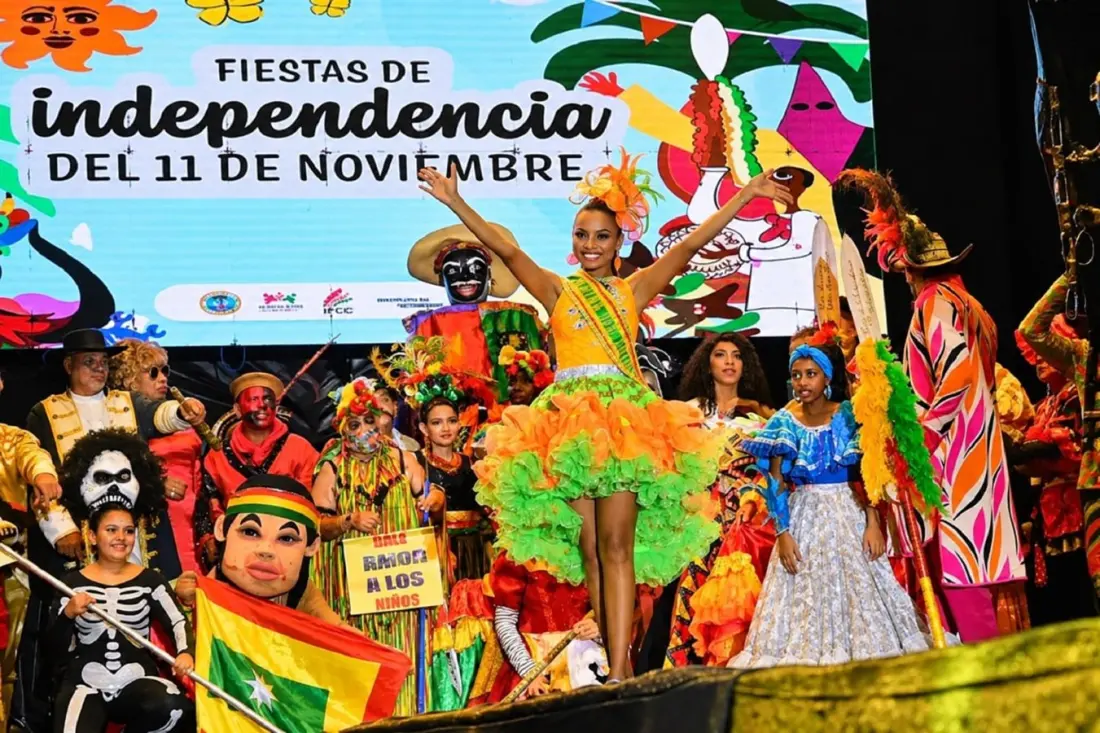
Today the Independence Festivities are the real draw for visitors. Expect parades, carnival troupes, costumes, traditional dances and cabildos — community gatherings rooted in Afro-Caribbean tradition — playing out across the old city and Getsemaní throughout November. The celebrations were formally recognised this year: in July, the National Cultural Heritage Council added them to the National Representative List of Intangible Cultural Heritage, backed by a safeguarding plan to keep the traditions alive.
For travellers, timing a trip to Cartagena in November means getting the city at its most alive — history you can walk through, set to drums and street performers, in a Unesco-listed colonial centre that needs no excuse to celebrate.