If you vape and you're planning a trip to Central Asia, add Kyrgyzstan to your watch list. The country's Ministry of Economy and Commerce has drafted a resolution to extend a temporary ban on importing electronic cigarettes, and the proposal is now open for public discussion before it goes to the Cabinet of Ministers.
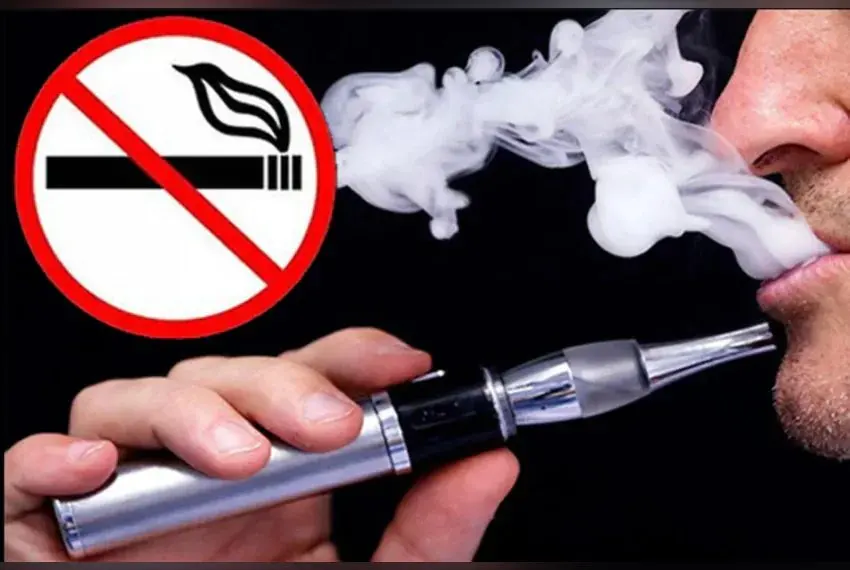
The ban covers electronic cigarettes, nicotine delivery systems and nicotine-containing liquids. It was first introduced on June 1, 2026, and is currently scheduled to expire on December 9, 2026. The new draft would stretch it by another six months.
The stated reasoning is public health. Officials want to curb the spread of nicotine addiction, especially among young people, and cut the health risks linked to nicotine-containing products. The import ban is being used to implement a broader law on protecting citizens from tobacco and nicotine consumption and from exposure to secondhand smoke and aerosol.
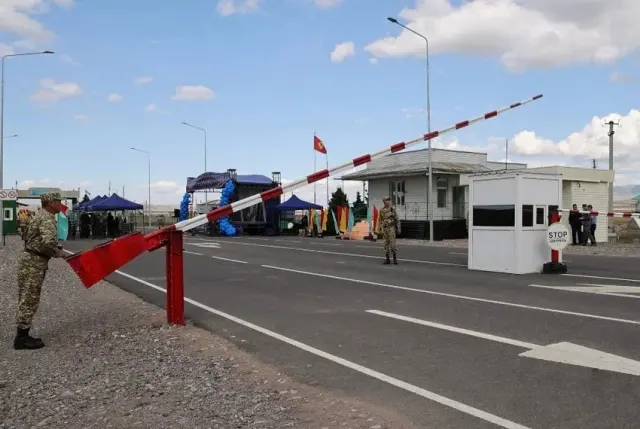
For travellers, the practical upshot is straightforward: even if vaping is legal at home, you can't rely on bringing your own kit into Kyrgyzstan while the ban is in force. Devices and nicotine liquids can be stopped at the border, and rules in this part of the world can be enforced strictly. Anyone who depends on an e-cigarette should check the current status of the ban close to their departure date, since the six-month extension still needs to clear the Cabinet of Ministers before it takes effect.
It's a useful reminder, too, that vaping rules vary wildly across borders. Some countries welcome e-cigarettes as consumer products; others treat them as prohibited imports. Kyrgyzstan, which is actively tightening its stance as part of a wider anti-nicotine law, clearly sits in the second camp. Packing a vape in your carry-on without checking the destination's rules is a gamble that can end with confiscation at customs.
None of this should put anyone off visiting. Kyrgyzstan is one of Central Asia's most rewarding outdoor destinations — horseback treks to alpine lakes like Song-Kul, hiking around the天山-fanned valleys near Karakol, and yurt-stay homestays that cost a fraction of what you'd pay elsewhere. Travellers who vape simply need to plan around the import ban rather than assume their usual habits travel with them. Nicotine replacement from a local pharmacy, or simply going without for a week or two on the trail, may be the easier route.
Bottom line: the ban that began in June 2026 looks set to run at least through mid-2027, so leave the vape at home or research alternatives before you fly. Check the latest rules before travel, as the resolution is still in the public discussion stage and details could change.