A summit on the Caspian coast has quietly opened the door to something holidaymakers might actually use: regular passenger ferries between Kazakhstan and Azerbaijan. At the eighth Consultative Meeting in Avaza, Turkmenistan, held on 8 October, the five Central Asian states plus Azerbaijan agreed to push ahead with a wider regional agenda — and among the trade talk lies a plan to restore passenger ferry services between Kuryk in Kazakhstan and Baku.
This was the first regular summit since Azerbaijan joined the Central Asian consultative format as a full participant in November 2025, a timely expansion as all six countries mark 35 years of independence. The headline numbers are economic: Kazakh President Kassym-Jomart Tokayev wants intraregional trade to climb from roughly $13 billion in 2025 to at least $20 billion, across a bloc of 95.5 million people and a combined GDP of over $645 billion.
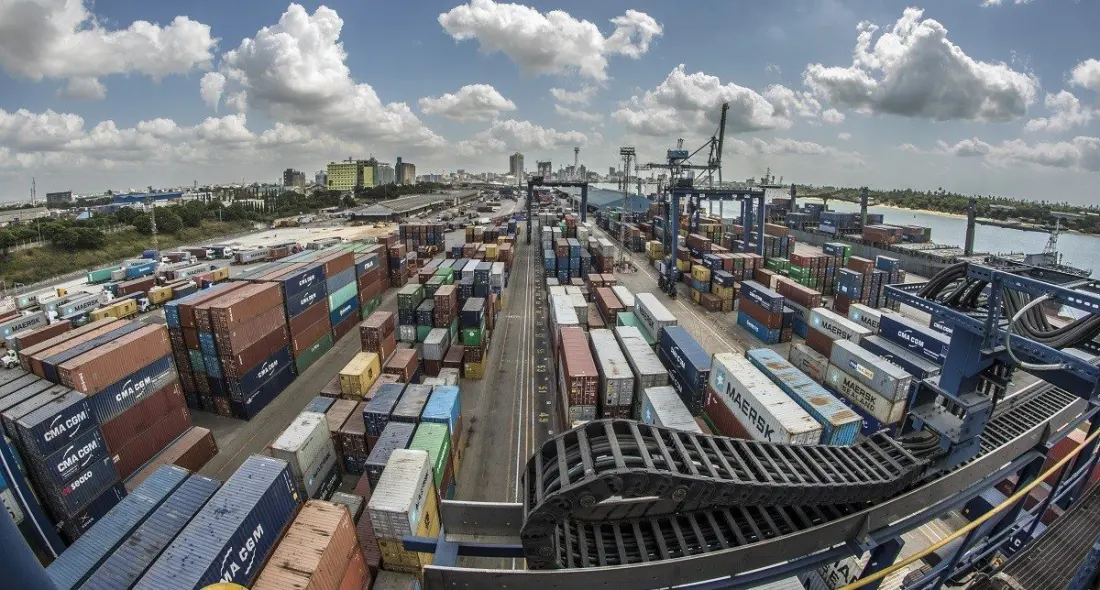
The transport backbone of all this is the Middle Corridor, the overland route linking Chinese and European markets through Central Asia and the South Caucasus. The World Bank reckons that with better infrastructure and reforms, corridor volumes could quadruple by 2040 versus 2023, with journey times cut by two-thirds. Tokayev also asked experts to study how the corridor might connect with TRIPP — the Trump Route for International Peace and Prosperity — through the South Caucasus, potentially widening export options to Europe.
But the details that matter most for travellers are on the softer edges of the agenda. Beyond the Kuryk–Baku ferry, which would let visitors combine destinations on both Caspian shores in a single trip, Kazakhstan and Azerbaijan have also laid a 380-kilometre fibre-optic cable between Aktau and Sumgayit, due to go live in 2026 — a small sign of how seriously the two countries are taking cross-Caspian ties.
The catch, as the original analysis points out, is that summits alone don't build ferries. Turning agreements into running services needs timetables, coordination between ministries and operators, and problems solved between meetings, not just at them. Still, the direction of travel is clear: the Caspian is being positioned less as a barrier between two regions and more as a bridge — for cargo first, but increasingly for people too.
For independent travellers, a restored ferry route would be genuinely appealing. Picture overlanding through Central Asia, crossing the Caspian by sea, and continuing through Azerbaijan into the Caucasus without a flight in sight. Coastal towns on both shores would gain tour operators, hotels and visitors; travellers would gain one of the more scenic border crossings anywhere. None of it is bookable yet, but if the political will holds, the Caspian crossing could become one of Eurasia's more interesting slow-travel routes within a few years. Watch this route — it's one to keep on the map. — The Astana Times