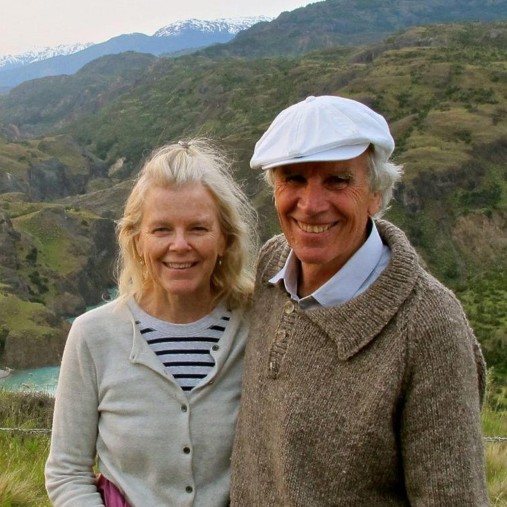
It started with a business founder who walked away. Douglas Tompkins, who opened the first The North Face store in San Francisco in 1966, left the outdoor apparel world behind in 1990 and moved to Patagonia. His stated goal was, in his own words, paying rent for his time on the planet — and he meant it in acreage.
With his wife Kristine, who joined the mission in the early 1990s, Tompkins bought roughly 2.2 million acres in Chile through charitable foundations. The centerpiece was Pumalín Park in the country's south, a vast temperate rainforest property often described as the world's largest private nature reserve. Today it carries his name: Pumalín Douglas Tompkins National Park, renamed in 2018.
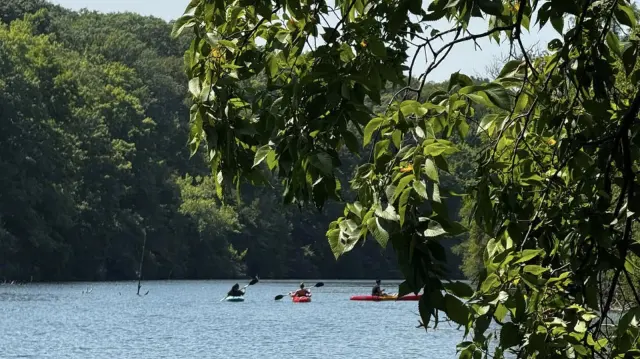
The story took a tragic turn in 2015, when Douglas died in a kayaking accident on Lago General Carrera in Chilean Patagonia at age 72. Kristine carried the project forward, and in 2019 she formally handed Pumalín and the Patagonia parks to the Chilean government — completing what Tompkins Conservation calls the largest private land donation in history. The handover was marked with a ceremony at Pumalín itself.
Her reasoning was simple and pointed: national parks belong to everyone. She compared it to how Americans feel ownership of Yellowstone and Yosemite the moment they walk through the gates, arguing Chile's wild landscapes deserve the same public guarantee. The donation was designed not just to fence off wilderness but to seed conservation-driven tourism and development in remote regions.
The broader numbers are staggering. Between Chile and Argentina, the Tompkins' projects have helped create 15 national parks and two marine parks, protecting around 14.8 million acres of land and 30 million acres of ocean, according to a 2025 NPR report. Kristine, more than a decade after her husband's death, is still active in the movement.
Why should a traveller care? Because some of South America's most spectacular protected areas exist — and are open to the public — because of this one couple. Pumalín Douglas Tompkins National Park sits in Chile's Los Lagos and Los Ríos regions, offering rainforest trails, volcanoes, hot springs and glacier-fed lakes without the crowds of Torres del Paine. It's a rare case where a headline about land deals translates directly into somewhere you can pitch a tent next month.
If you're planning a Patagonia trip and want something beyond the classic circuit, the parks born from this donation are the quiet alternative: raw, accessible by road and ferry, and with a genuinely remarkable backstory you can stand inside of.