A Sunday caving trip on the Italian island of Sardinia ended with a dramatic overnight rescue after falling rock sealed off a passage and trapped a man ten metres underground. Luca Olmetto, 31, was exploring the Gorroppeddu cave in the Urzulei mountains on 11 October when the collapse occurred. His girlfriend, walking a few metres behind him, made it out clear of the debris and raised the alarm — a detail that almost certainly saved his life.
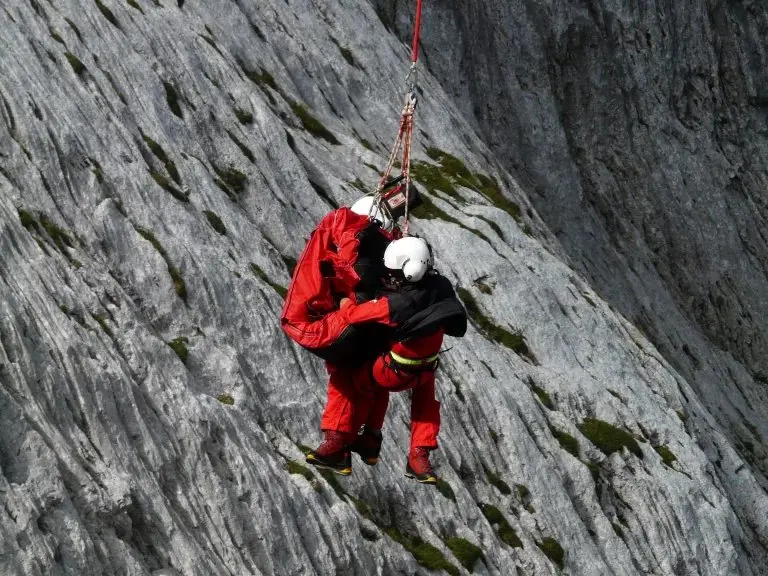
What followed was a slow, methodical operation involving roughly 48 specialists from Sardinia's Alpine and Speleological Rescue Corps, supported by firefighters and civil protection teams. With rubble choking the passage and the constant threat of further collapses, crews couldn't simply dig fast. They had to clear rock by hand, working through the night while Olmetto, still conscious, waited in the dark.
The breakthrough came shortly after 6pm on Monday, 12 October — about 26 hours after the initial rockslide. Medics assessed him at the surface before he was flown to hospital by helicopter for further checks. In Codrongianos, Olmetto's hometown, the local council publicly thanked the emergency teams and voiced its support for his family.
The story is a reminder that Sardinia's interior, best known to most visitors for its beaches, hides one of Europe's most extensive cave systems. The supramonte plateau around Urzulei, Dorgali and Baunei draws experienced cavers from across the continent, but places like Gorroppeddu are not casual attractions. Unstable rock, tight passages and remote entrances mean conditions can change in seconds — and a rescue here involves specialist teams rappelling into a mountain, not an ambulance pulling up at a gate.
For travellers, the takeaway is straightforward: wild caving is a guide-required activity, not a spontaneous one. Anyone tempted by Sardinia's underground should book with a local speleological association or licensed guide, stick to established show caves if inexperienced (Grotta del Bue Marino and Grotta di Ispinigoli are the famous ones nearby), and always let someone above know the plan. The safe version of the adventure is still spectacular — just without the 26-hour wait to see daylight again.