Long before streaming, Mexican television comedy thrived under strict government censorship — and some of the country's most beloved entertainers did their best work within those limits. It's a piece of cultural history worth knowing before you switch on a TV in a Mexico City hotel or catch re-runs in a local cantina.
The old system had real teeth. Manuel "El Loco" Valdés, one of the era's biggest comedy stars, was reportedly "frozen" — suspended at the government's behest — over a cheeky joke referencing 19th-century president Benito Juárez, the kind of gag that would barely raise an eyebrow now. Football commentator Angel Fernández, famous for his drawn-out "gooooooooooool" calls, was reportedly pulled off air for criticising another country's national anthem.
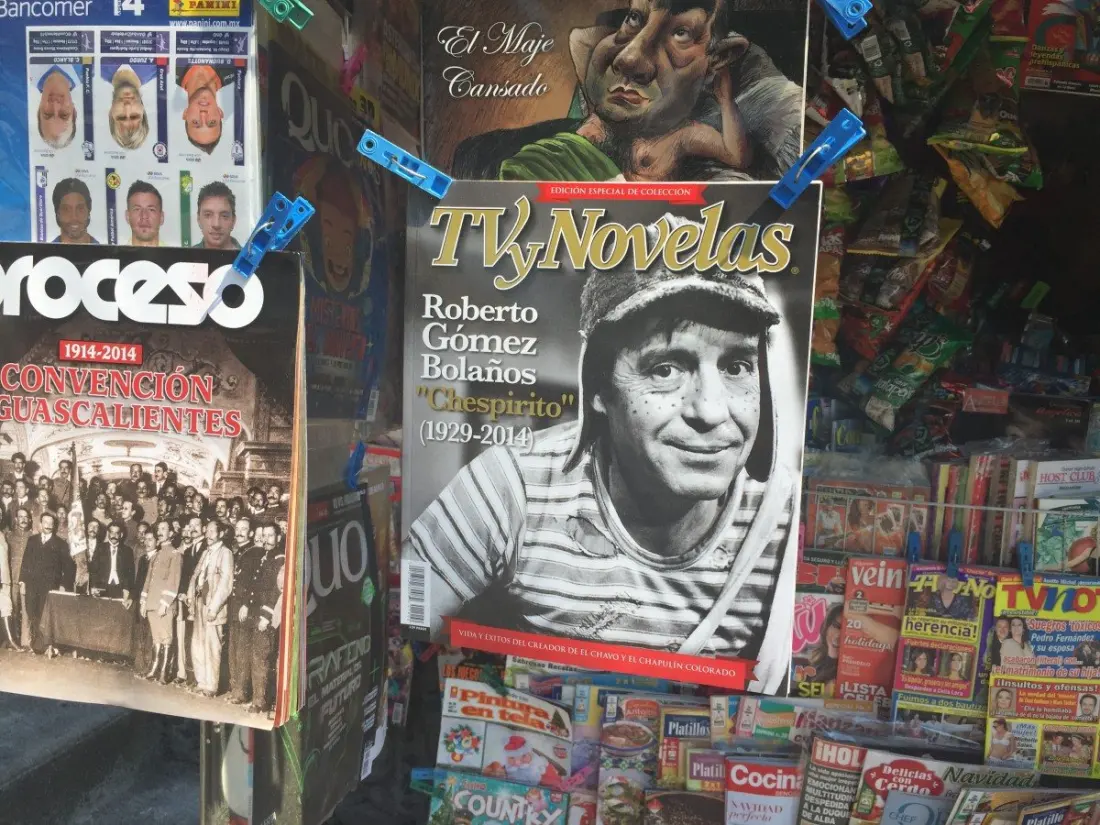
The towering figure of the era was Roberto Gómez Bolaños, known as Chespirito — "little Shakespeare" — who lived from 1929 to 2014. His characters remain national touchstones: El Chavo, the boy from the neighbourhood; El Chapulín Colorado, the bumbling superhero; and Chómpiras, the small-time crook also known as Aquiles Esquivel Madrazo. His shows blended slapstick, wordplay and pure silliness, and were popular enough to earn re-runs through the 1990s.
Other names to know: Los Polivoces ruled late-1960s and early-1970s television, while Chucho Salinas and Héctor Lechuga delivered subtle political satire in the early 1980s — subtle because it had to be. La Caravana, running in the early 1990s with Víctor Trujillo and Ausencio Cruz, produced some of the era's most inventive sketch characters, including Brozo the clown and Margarito the loser.
Here's the twist: when censorship loosened as Mexico modernised, comedy arguably got worse rather than better. Writers leaned on mild expletives and predictable innuendo — the author's blunt assessment is that there's nothing on television today to match the classics, censorship or no censorship. Even news coverage, freer than before, hasn't obviously produced a better-informed public.
Why does this matter to travellers? Understanding Chespirito and his peers is understanding a shared reference point for generations of Mexicans. References to El Chavo del Ocho turn up in restaurants, street names and everyday humour across the country, and the shows are widely available on YouTube. Watching a few sketches before a trip to Mexico is an easy, entertaining way to get tuned in to the local sense of humour — which leans on wordplay and affectionate absurdity rather than the sarcasm many English-speaking visitors expect.