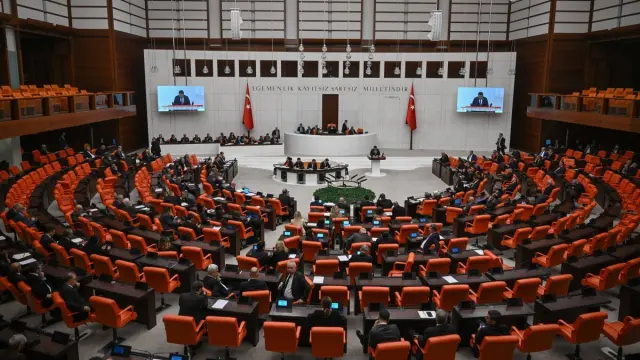
Antalya, Türkiye's Mediterranean resort hub better known for beach holidays than climate diplomacy, is hosting COP31, the 31st UN climate conference, which kicked off on Monday 8 November 2026. It lands at a sobering moment: October 2026 was the hottest October on record, and the European climate agency Copernicus says 2026 is virtually certain to become the second year, after 2024, to exceed the 1.5°C warming threshold that nations promised to defend in 2015.
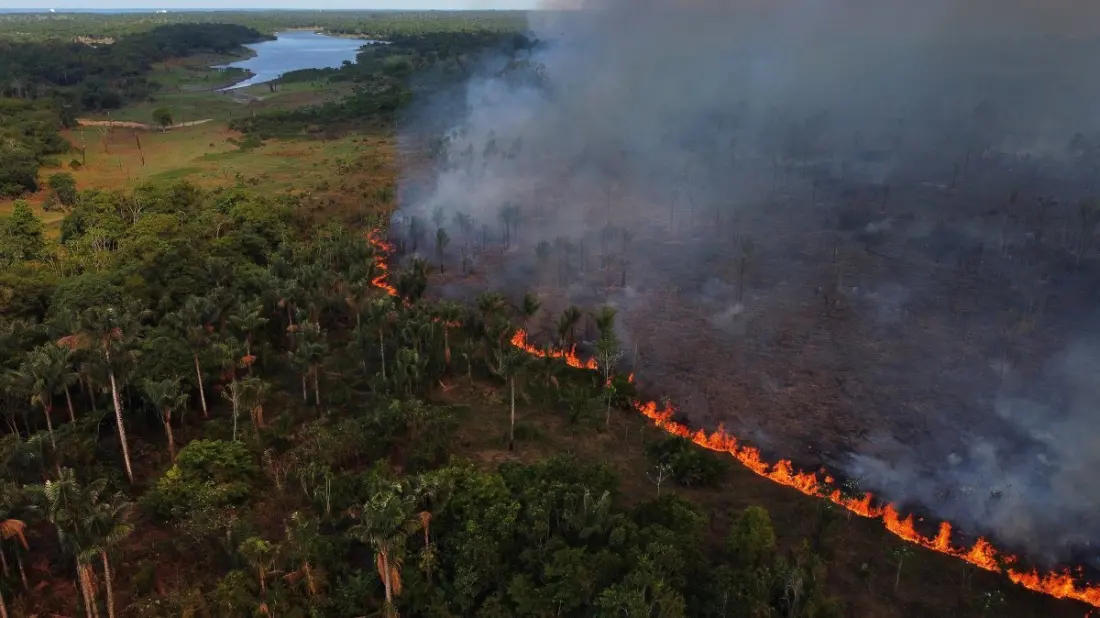
The stakes are visible in the places travellers know well. Europe endured deadly summer heat waves this year, and Nepal suffered catastrophic flooding. The UN now estimates the world is at 1.4°C of warming and heading toward 2.6°C by century's end — a far cry from the 4-degree trajectory feared eleven years ago, but well beyond what was promised.
The central fight in Antalya is over following through. Negotiators will work out how to implement pledges to transition away from fossil fuels — a phrase that has rarely survived into final conference documents, because consensus rules let oil-and-gas-friendly nations block it. Activists like Harjeet Singh of the Satat Sampada Climate Foundation argue that dodging the fossil fuel question is exactly why 1.5°C has slipped away.
Money is the second headache. Poor nations are owed funds to switch to renewables, adapt, and recover from climate damage, but the US — the largest historic carbon polluter — skipped last year's COP and is absent again, leaving a funding gap nobody else can fully fill. "Who pays" is, as NewClimate Institute co-founder Niklas Höhne puts it, the hardest question on the table.
Host Türkiye is pushing its own sideline initiative: raising electricity's share of global energy use from 21% to 35% by 2035, ideally with solar and wind. Brazil, which ran COP30, has released a voluntary roadmap for moving off fossil fuels, including a call to end subsidies — which the UN estimates hit $1.1 trillion this year.
There is a genuine bright spot. Renewable energy is now cheaper and cleaner than fossil fuels and is growing faster than ever, and electric cars keep gaining ground. The obstacle, says Climate Analytics CEO Bill Hare, is less about technology than about governments and incumbent industries. Veteran observer Mohamed Adow of Power Shift Africa is blunt about the mood, though: with the Strait of Hormuz closed and energy prices spiking, he doesn't expect this conference to adequately meet the moment.
For travellers, this matters more than it might seem. The outcomes in Antalya shape how quickly destinations decarbonise, how badly the places you visit — Mediterranean coasts, Himalayan valleys, island nations — will be hit by heat, floods and droughts, and what the climate damage bill looks like for tourism-dependent economies. Youth delegates like Barbados' Ashley Lashley and Singapore's Qiyun Woo put it plainly: the science is more alarming than ever, while politics negotiates how much failure to tolerate. Watch whether this COP turns promises into plans.
Reported by Daily Sabah with AP