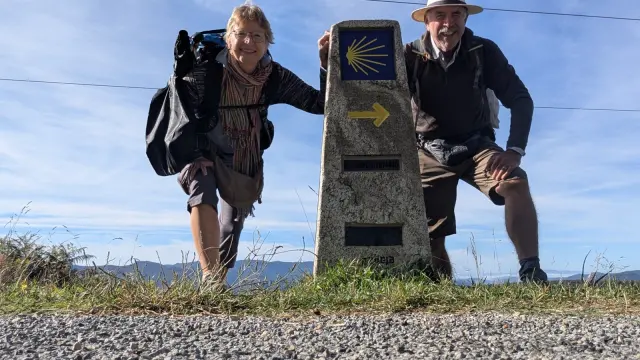
Somewhere around day 31 of walking the Camino de Santiago, a pilgrim named Marley Kreiser rolled into Ponferrada, the largest city in Spain's Bierzo region, and found the kind of day that explains why people keep coming back to this route.
Her stop of choice was the San Nicolás de Flüe Pilgrims Hostel, a donativo albergue (donation-based, run by a religious community) with a leafy courtyard and separate sleeping wings for men and women. Donativo albergues typically ask only for a small contribution, which makes them a budget lifeline for long-distance walkers. One detail she treasured: her assigned room was named Cruz del Ferro, the storied iron cross further along the route where pilgrims leave stones from home.
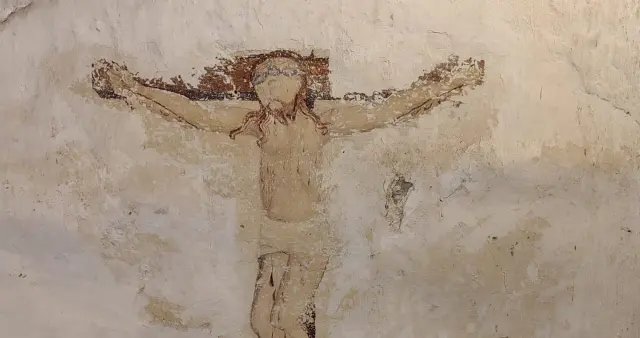
The surprise of the day came in a nearby church, where a small side chapel hides a ceiling mural depicting Camino scenes, the four cardinal directions, the elements and the stars — the sort of tucked-away artwork you'd never find unless you ducked in for a bathroom break.
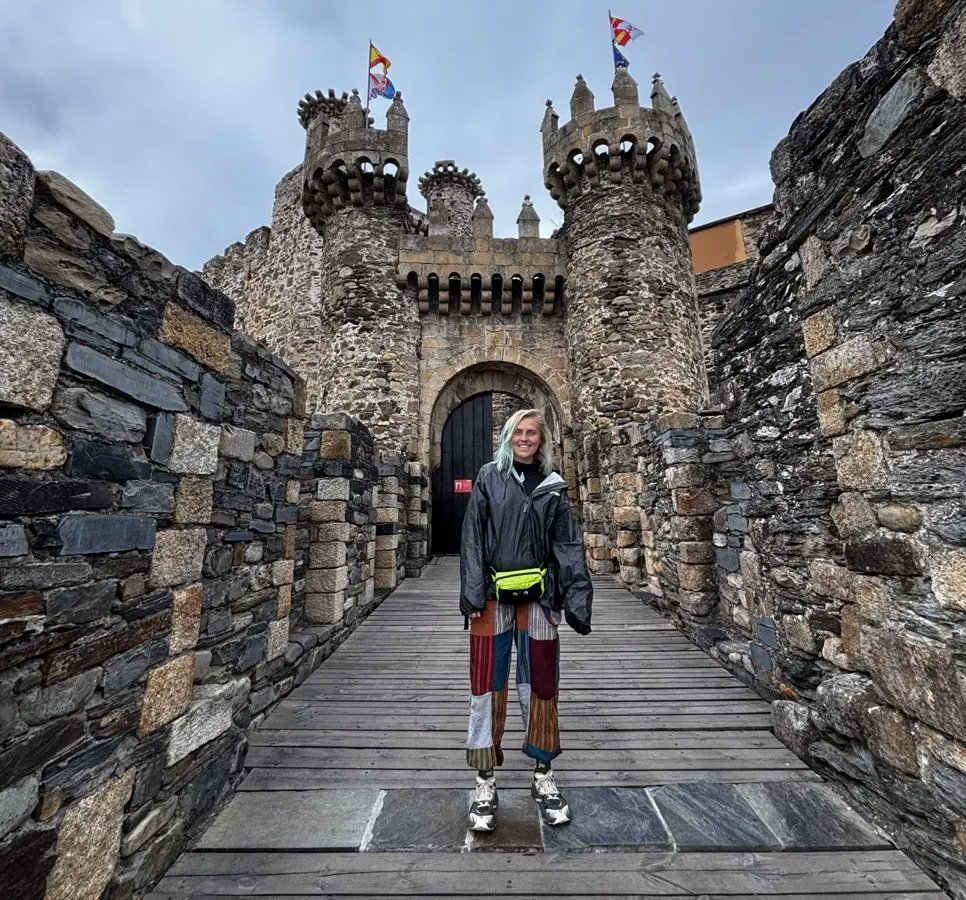
The main event was Ponferrada's headline sight: the Castle of the Knights Templar, a 12th-century fortress guarding the Camino in the city centre. Kreiser spent two and a half hours working through its levels, corridors, secret passageways and a medieval book exhibit ranging from head-thick tomes to pocket-sized texts. Midway through, the visit turned into something better: a pilgrim musician she knew started playing flute on the street below, joined by a local violinist, while she watched and clapped from the castle walls with the city and mountains behind them.
She also squeezed in a burger-and-wine stop at a bodega overlooking the castle — the Bierzo is a respected wine region, so that's an easy pairing to copy. And the rhythm of the day was pure Camino: walk into town, reunite with trail friends (her self-styled "Familia Real" of Italian and Argentine pilgrims), see history, eat simply, share the evening in a hostel kitchen.
For anyone planning the Camino Francés, Ponferrada sits roughly two-thirds of the way from Saint-Jean-Pied-de-Port to Santiago, about 200 kilometres from the finish. It's a classic overnight stage, but the account here makes a case for lingering: the castle entry is affordable by city-museum standards, the albergue scene is warm, and the surrounding Bierzo hills make some of the prettiest walking on the whole route. If you're not a pilgrim, it still works as a weekend base — castle, wine, decent food, and far fewer tourists than León or Santiago.
Story credit: The Trek.