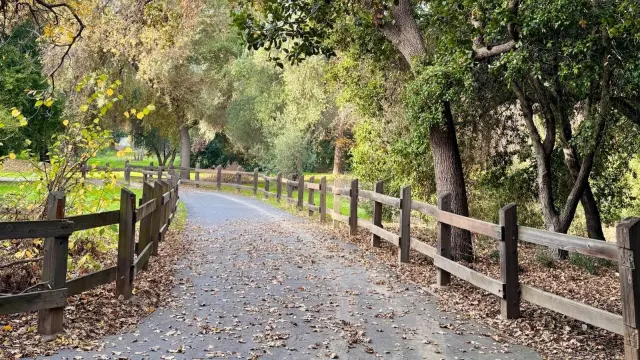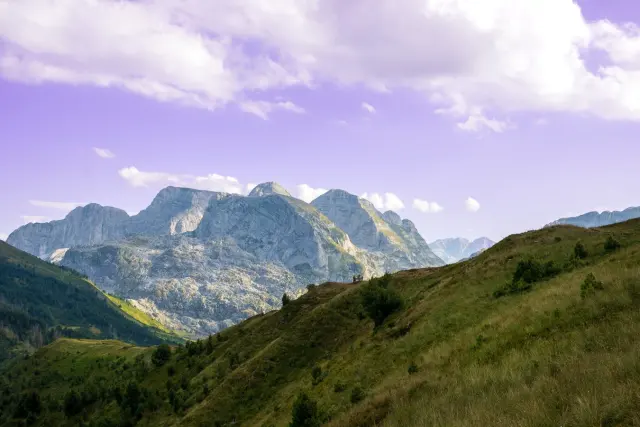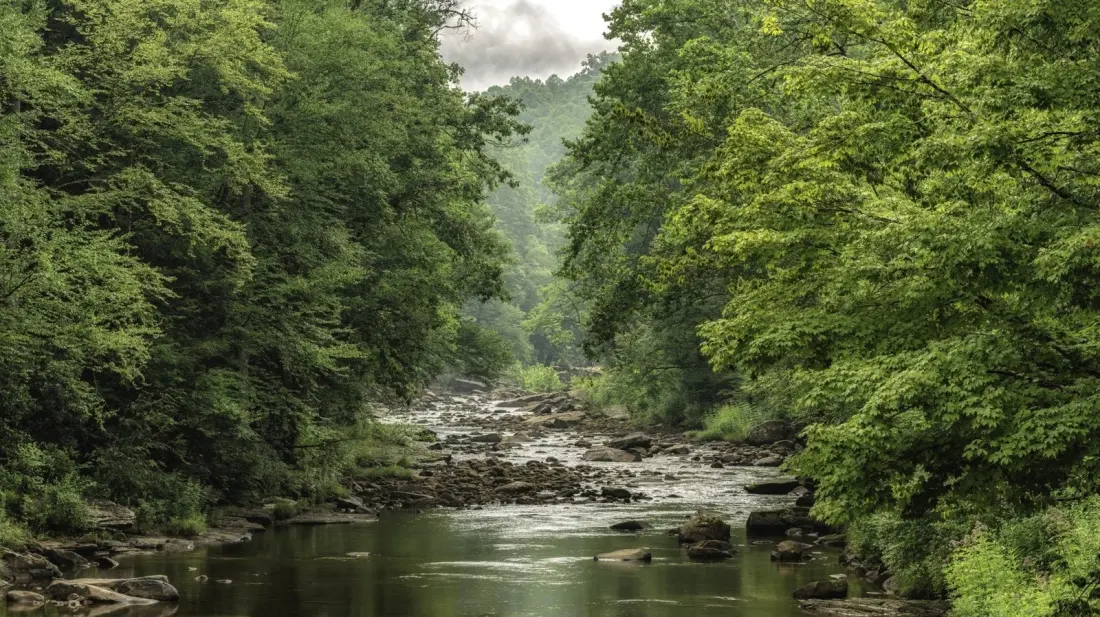
Tucked into the southern end of West Virginia's Monongahela National Forest, Cranberry Wilderness holds a quietly impressive title: the largest U.S. Forest Service wilderness area in the entire eastern United States. Its 47,815 acres spill across the Allegheny Mountains in Pocahontas and Webster counties, roughly two hours' drive from Charleston, and offer a rare thing on the East Coast — genuine, trail-deep solitude.
Hikers get 16 named trails covering about 70 miles through hardwood and red spruce forest, with peaks topping 4,600 feet and tributaries of the Williams and Cranberry rivers cutting through the valleys. Black bears, white-tailed deer and bobcats all live here, so it's bear country in the truest sense. For many visitors, though, the standout is next door: the Cranberry Glades Botanical Area, the state's largest bog. A half-mile boardwalk loop threads through acidic wetland full of mosses, orchids and carnivorous plants — a habitat you'd more expect in Canada than Appalachia.
Waterfall chasers have options at several difficulty levels. The Falls of Hills Creek Trail near the glades links three falls, reachable via staircases that earn complaints but also praise. Backpackers gravitate to the 19-mile Big Beechy and Middle Fork Loop on Sugar Creek Mountain, where hikers report campsites perched above sizable falls. Day hikers can try the Lick Branch Trail, whose lower half features small cascades per the Forest Service brochure.
The logistics are refreshingly simple. Camping is free and requires no permit, though groups must stay at 10 people or fewer per site, and Leave No Trace rules apply. The forest is open year-round — winter brings cross-country skiing, and fishing, hunting and swimming round out the warmer months.
The trade-off for all this seclusion is zero hand-holding. Trails are unblazed, signage is sparse, and cell service is unreliable at best. Download offline maps or bring a satellite communicator, pack full camping gear, and treat this as a proper backpacking trip rather than an afternoon stroll. Once you're in the county, it's worth lingering: Pocahontas County calls itself the "Birthplace of Rivers" thanks to its headwater streams, and it's a known trout-fishing destination.
For East Coast travellers burned out on crowded trailheads, Cranberry is the antidote — a place where you can walk all day without seeing another soul, then watch mist rise off a bog at dawn. It suits self-sufficient backpackers and experienced day hikers best; casual visitors should start with the boardwalk and Hills Creek falls before venturing deeper.