Five hundred kilometres into New Zealand's Te Araroa, one long-distance hiker hit the stretch that breaks the romance out of thru-hiking: Northland forest track, ankle-deep mud, relentless hills, and a day she later called one of the toughest yet.
The day started innocently enough from a campsite near Pakiri, north of Auckland. Within 15 minutes the mud won, and the routine set in: steep scrambles with chains bolted onto the hillside (the first of many on this trail), a stroll past a hilltop helipad that someone had once brazenly tried to use as a campsite, and kilometres of up-and-down through native bush. The trail's quirks provided comedy too, including brand-new boardwalks and a wooden bridge over a stream barely a trickle, plonked at the bottom of a boggy descent far worse than the water it spanned.
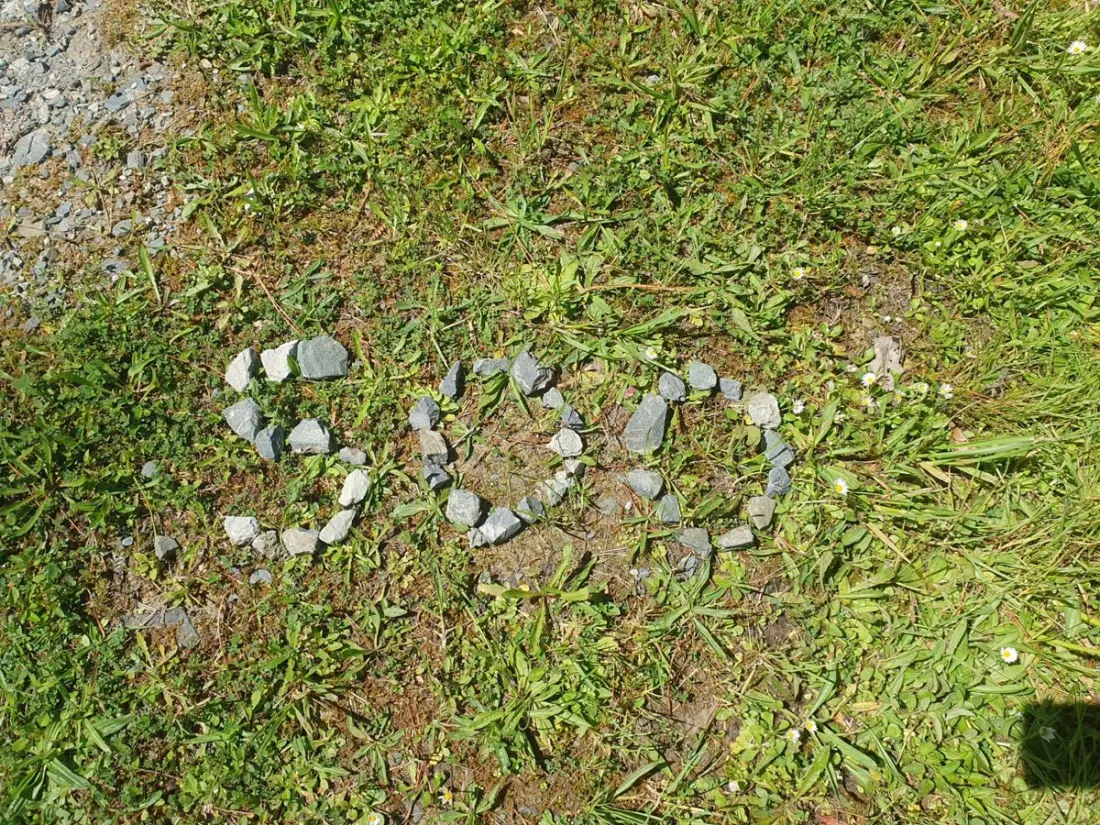
At the road, our hiker celebrated a personal milestone with her preferred trail snack, mayonnaise on crackers, to the visible horror of a fellow walker. Later she marked the 500km point with pebbles arranged on the ground, having slept through the 300km and 400km markers.
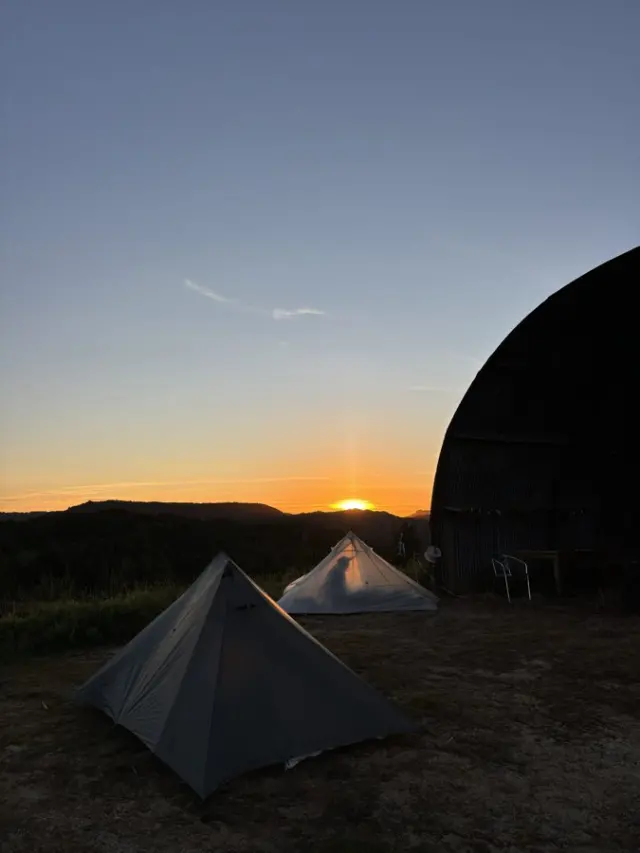
The afternoon delivered the grind. Steep, muddy drops, false assurances that camp was "just around the corner," and a trig point that promised a descent which turned out to include two more substantial climbs. Relief came at the old Dome Cafe just off State Highway 1, where the owners let hikers camp on the lawn and use a sheltered kitchen, plus a hot shower in a bathtub, curtain optional. The cafe is being converted into a house, but the hiker hospitality continues. One walker, Annabel, made it in despite taking a wrong turn in the first kilometre of the day; another, Anica, planned to hitch the following day after an injury.
Why should a traveller care? Because this is a real, unvarnished slice of what walking Te Araroa actually involves. The 3,000km trail from Cape Reinga to Bluff has a cult following, but its northern sections are famous for mud that no amount of boardwalk can fix. Anyone dreaming of hiking even a section of it should budget for slow days, washing gear in streams, and campsites that range from genuinely delightful (grass, showers, road access) to a damp patch beside a forestry road. The Trail also threads through working farmland and kauri forest, so cleaning stations for kauri dieback disease are part of the routine. If a full thru-hike sounds like too much, the story shows why day-hiking the gravelled, stepped sections near Dome Valley, about an hour north of Auckland, gives you the views without the soul-crushing mud.
The takeaway from day 23: trail legs may or may not arrive on schedule, but a hot shower at the end of a 28km day works wonders either way. — The Trek