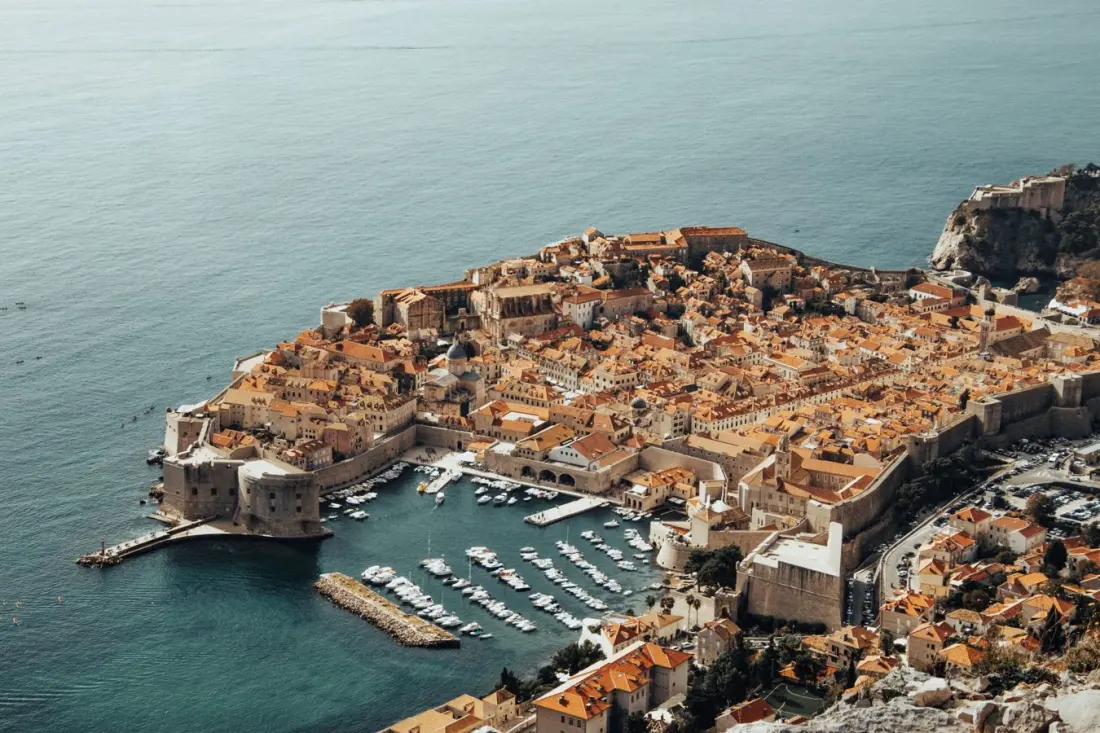
Dubrovnik has spent the better part of a decade trying to shake off its reputation as Europe's cautionary tale of overtourism — cruise-ship crowds swamping a tiny walled city and locals pushed to the margins. It now has an international trophy to show for the effort. The city picked up the Global Model of Sustainable Tourism Award at the 21st annual session of the Global Forum on Human Settlements, held in Antalya, Turkey on 13 November, timed alongside COP31, the 31st UN Climate Change Conference.
The award recognises cities and projects making real progress on sustainable development, responsible tourism management and the protection of natural and cultural heritage. This year's forum drew more than 300 delegates from over 50 countries, with winners also coming from China, Malaysia, the UAE and Colombia among others. Dubrovnik's Mayor Mato Franković accepted the honour via video message, calling it confirmation of the city's long-term push toward a more responsible tourism model.
The turnaround centres on the "Respect the City" initiative, launched in 2017. Its goal is to strike a balance between tourism growth, the protection of Dubrovnik's UNESCO World Heritage old town, and — crucially — the quality of life for residents. The city leans on data-driven visitor management, innovation and investment in sustainable mobility and green infrastructure rather than simply chasing bigger arrival numbers. Franković put it plainly: the future of tourism is not about attracting more visitors at any cost, but about a sustainable balance that benefits everyone, and Dubrovnik intends to share what it has learned with other cities.
There's a pattern here, too. At the previous year's forum in Geneva, the Lokrum Reserve Public Institution — which manages the forested island just off Dubrovnik's coast — won the same award for a management model that blends tourism with biodiversity protection.
For travellers, the practical upshot is that a visit to Dubrovnik in 2026 and beyond should feel noticeably calmer than the post-Game-of-Thrones peak years. Expect measures like staggered cruise arrivals, managed entry through the city gates and better transit options, all designed to spread crowds out. Going in shoulder season (May–June or September–October) remains the easiest way to enjoy the walls and the old town without the crush, and respecting local rules on group sizes and behaviour is now part of the deal when visiting one of Europe's most closely managed heritage sites. This story originally appeared on Total Croatia.