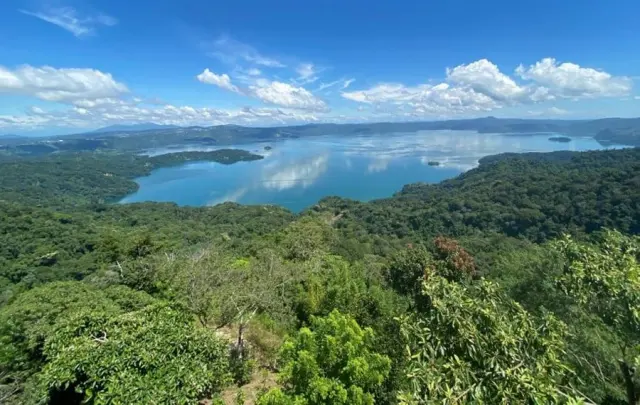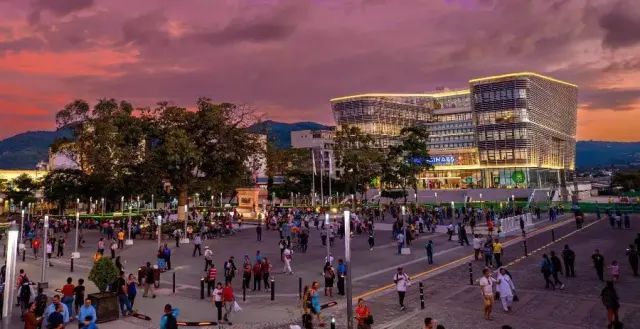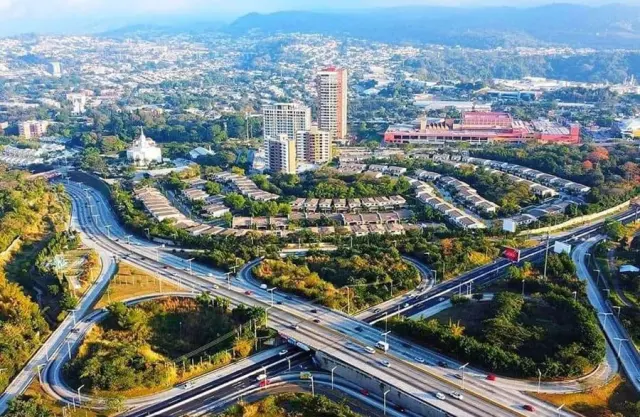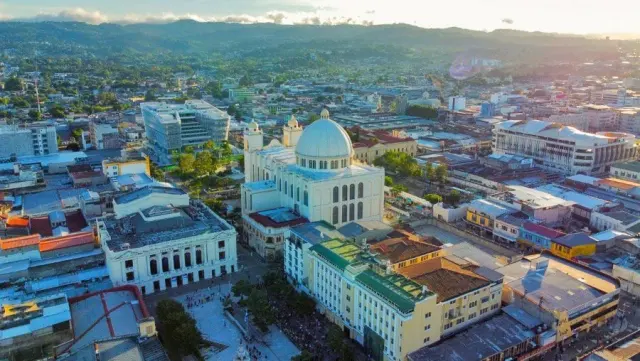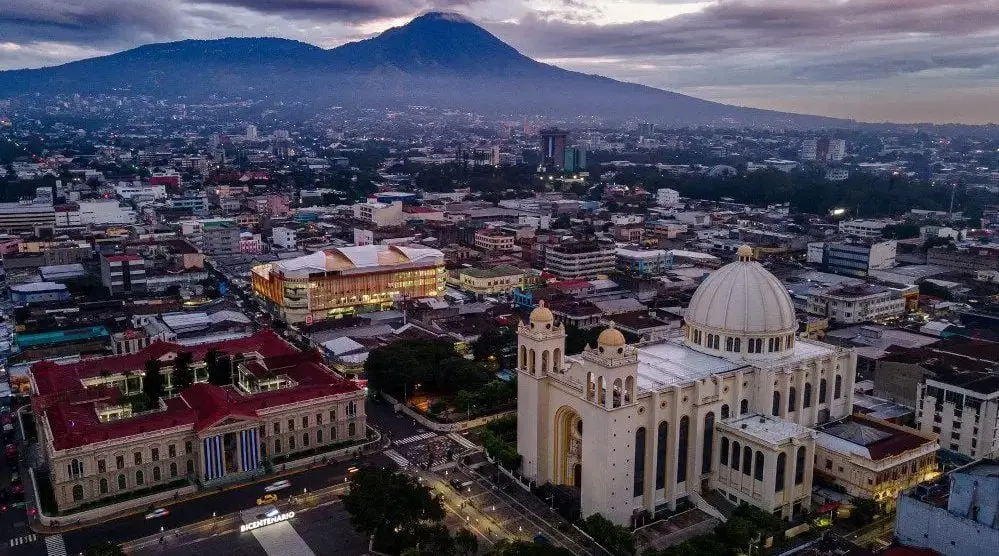
El Salvador has quietly become one of Central America's most talked-about destinations, and the numbers explain why. The country recorded just 82 homicides in 2025—a rate of 1.3 per 100,000 people, the lowest in Latin America, and down from more than 6,600 killings in 2015. Streets that locals once emptied after dark are now busy in the evening, and tourism keeps climbing. For travellers, that transformation has reopened a small country packed with Pacific surf breaks, volcanoes, coffee towns and lake beaches.
But "cheap" needs unpacking. The local minimum wage in commerce, industry and services sits at $408.80 a month, so foreign income—whether a remote-work salary, pension or savings—stretches a long way here. For a visitor earning dollars abroad, day-to-day costs can feel remarkably low. Locals earning local wages, meanwhile, juggle high grocery prices and rising electricity bills. If you're planning a stay, your budget depends far more on neighbourhood and lifestyle than on the country itself.
Housing is the biggest swing factor. Outside the priciest corners of the San Salvador metro area, apartments and houses rent for well below what you'd pay in a major US city—though modern apartments with security and amenities in desirable areas push prices up fast. Choosing Santa Ana, Suchitoto or a coastal town over the capital can meaningfully change monthly costs, with the trade-off of longer trips for hospitals, universities or specialist care.
Food is where El Salvador rewards you. Pupusas get the fame, but the everyday repertoire runs to tamales, soups, grilled meats, fresh seafood and tropical fruit. Shopping at local markets for seasonal produce, beans, tortillas, eggs and local cheese costs noticeably less than filling a trolley at a supermarket, and it puts money directly into family-run businesses. Supermarkets in the cities are handy for imported goods, but they're where budgets quietly balloon.
Getting around is cheap but slow. The country is tiny—you can leave San Salvador in the morning, surf or eat ceviche on the coast, and be back by dinner—yet traffic around San Salvador, Santa Ana and San Miguel can turn a short drive into a long one. Public buses connect nearly everywhere for very little money; taxis and ride-hailing apps work in bigger cities and tourist zones. Practical checks matter for longer stays: urban areas have solid internet options, but electricity bills climb with air conditioning, and water supply varies sharply street by street—locals recommend asking neighbours about pressure and interruptions before committing to a rental.
One honest note: the security turnaround came alongside a state of exception in force since March 2022, which has suspended some due-process protections. Human rights groups report over 90,000 detentions and serious allegations of abuses. It hasn't disrupted ordinary travel, but it's part of the country's current reality.
Who is this for? Remote workers and long-stay travellers with foreign income will find El Salvador genuinely affordable, warm year-round, and compact enough to explore on weekends—beaches, volcanoes, lakes and colonial towns are all within easy reach. Budget backpackers will also do well, especially by eating at markets and using buses. Anyone expecting a polished, Western European-style infrastructure experience should temper expectations, particularly outside the capital.
Story based on reporting by El Salvador Info.