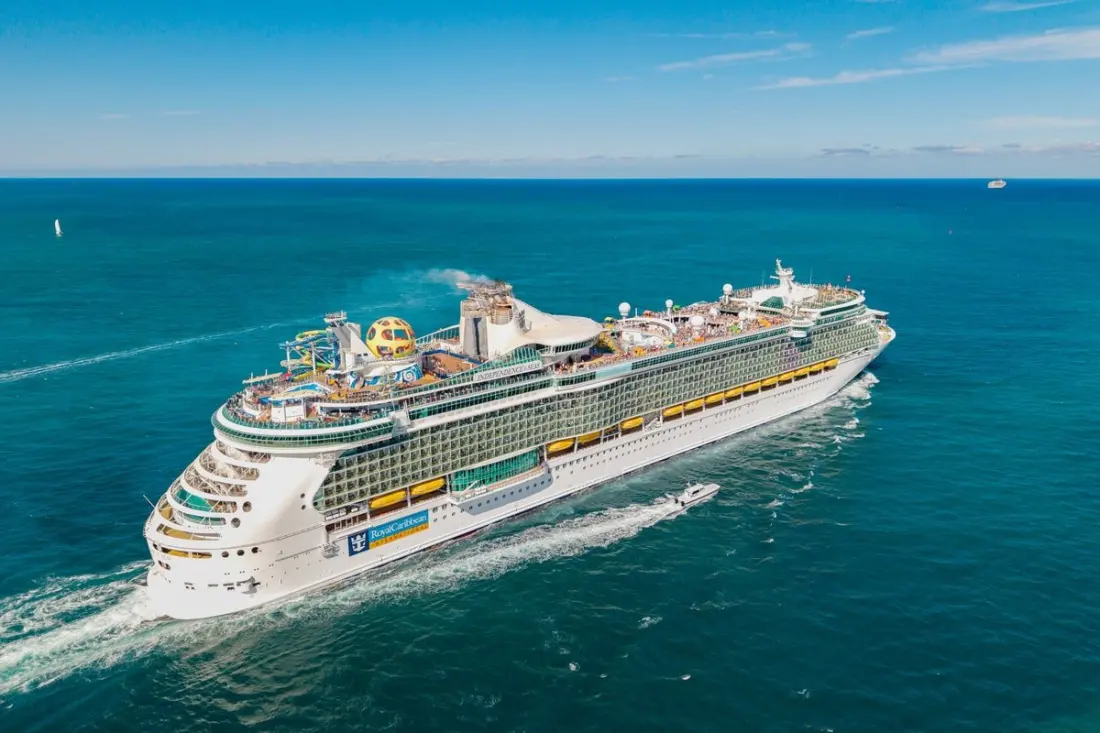
When the Oasis of the Seas left New Jersey on October 18, passengers expecting sunny Caribbean islands were told shortly before departure that a storm on the East Coast was sending them north instead — to Canada. Royal Caribbean offered a refundable onboard credit, a 50 percent future cruise credit, and refunds on shore excursions booked through the line. Not everyone was thrilled, judging by the social media reaction.
Itinerary changes are uncommon, but they happen, usually because of weather — hurricane season being the riskiest window — or medical emergencies. A cruise industry source explained to The Independent that weather is monitored well before sailing and continuously during the voyage, with onboard and shoreside teams tracking multiple forecasting sources. In other words, that "sudden" reroute is usually the end point of days of planning. Full-reroutes that replace the entire itinerary, like this one, are rare. More typical is a single missed port. Earlier this year, for example, wind kept a Disney Cruise Line ship from docking at its private island, Castaway Cay, so passengers got a day at sea and an unscheduled stop in Nassau instead.
The uncomfortable truth is that your rights are limited. Before sailing, you sign a cruise contract that lets the line alter or skip ports for weather and safety — generally with no obligation to compensate you. "The captain has the final say," says Mike Vitria of Expeditioner Travel. A full refund of your fare is essentially off the table; the entitlements are narrower.
So what can you realistically get? Chip Wilson of MCW Travel points out that you should be reimbursed for port taxes and fees on any stops you miss. If you booked shore excursions through the cruise line, those are usually refunded; independently booked tours fall under that operator's own cancellation policy, so they may be lost. Beyond that, compensation like onboard credit or future cruise credits is a goodwill gesture, not a right — and it varies significantly between brands.
The best protection is preparation. Both agents recommend travel insurance bought before your sailing, though even insurers may not pay out for a rerouted itinerary depending on the policy and circumstances. Vitria also suggests asking politely, and in writing, for goodwill credit — lines sometimes grant it even when they don't have to.
For travellers weighing a cruise, the practical takeaways are simple: book excursions through the line if refund flexibility matters to you, buy insurance early, keep expectations about compensation modest, and pack a layer even for Caribbean sailings — you might end up somewhere colder than you planned.