Day one on Kilimanjaro is not the dramatic part — and that's exactly the point. One trekker's account of starting the Lemosho Route offers a useful preview of how a well-run Kili expedition actually begins: slowly, carefully, and with a support crew of 15 to 20 people.
The route choice matters more than most first-timers realise. This hiker went with the eight-day Lemosho itinerary, widely considered the best balance of scenery and acclimatisation time. Longer routes give your body more hours at altitude, which directly improves your odds of standing on the summit. The operator picked, climbkili.com, stood out for a few practical reasons: it uses a higher summit-night camp at 16,000 feet (most companies use 15,200), it follows KPAP guidelines for fair porter treatment, and it skips the luxury extras that inflate prices.
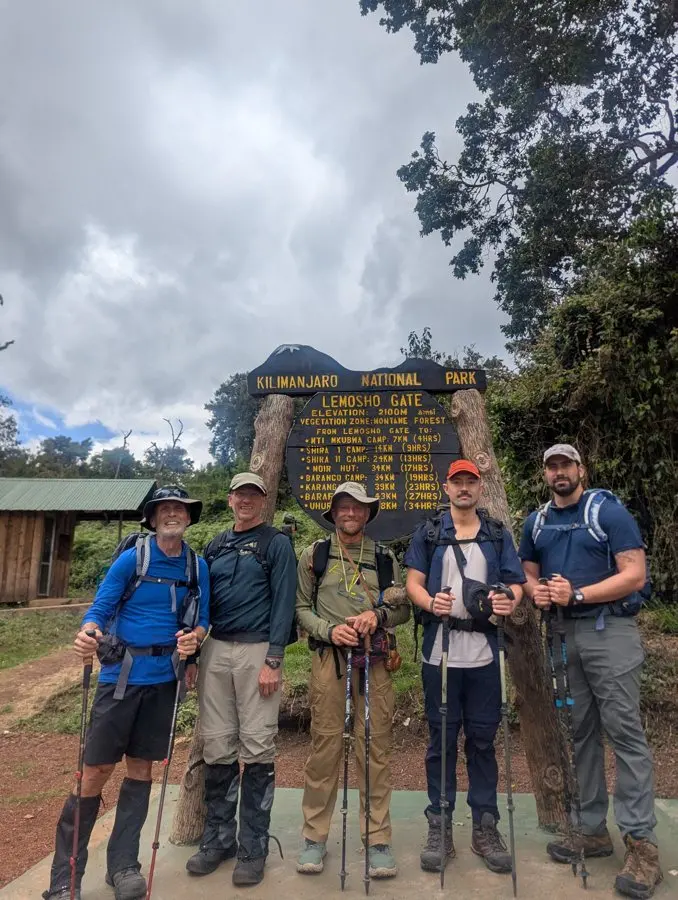
The first day itself is short — about three miles and 1,461 feet of climbing, from Lemosho Gate at 2,360 metres to Mti Mkubwa camp at 2,650 metres. The real lesson is the pace. Guides repeat "pole pole" ("slowly slowly") constantly, and the group walks together at a crawl, guides at front and back. It can feel almost too slow, but that's deliberate: altitude is the killer on Kilimanjaro, not fitness.
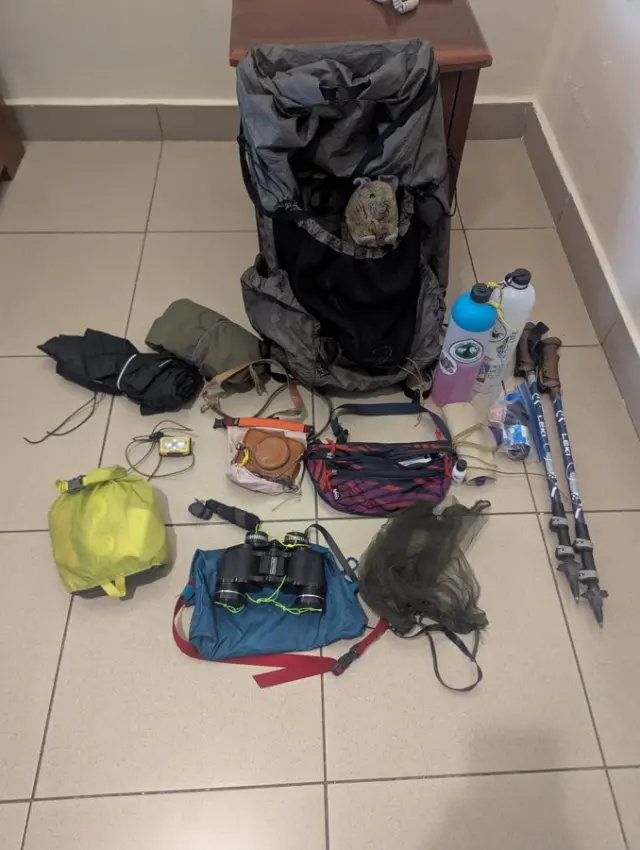
Logistics start the day before, with a guide briefing covering gear, conditions and rental options. Morning of, you leave valuables in the hotel safe, carry document copies, and drive a few hours from Moshi toward the gate — keep your eyes open, because giraffes genuinely do graze roadside. At camp, the rhythm sets in: popcorn and hot drinks on arrival, a pasta dinner, a nightly pulse and blood-oxygen check, and a wake-up hot drink delivered to your tent at 6am. Wildlife on day one is modest — Colobus monkeys glimpsed in the trees — the big animals come later, or on the safari add-on most companies offer.
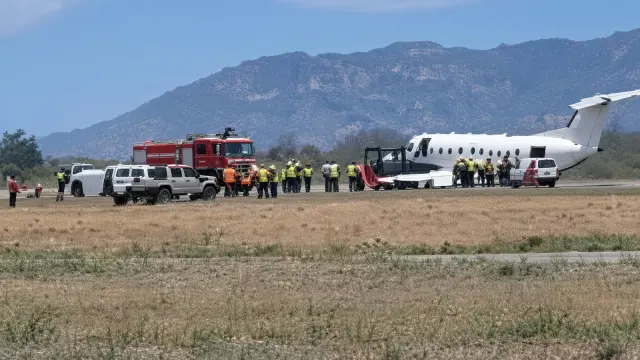
Why does a day-one trip report matter to you? Because it demystifies the trek before you spend serious money. It shows the demographic is broader than you'd think — this group ranged from thirtysomethings to two brothers-in-law in their 70s with ultramarathon and ski-touring backgrounds. It also highlights what to vet in an operator: local ownership, porter welfare certification, camp elevations on summit night, and a guide team with decades of combined mountain experience. And it underlines a small but smart tip: arrive a day or two early to adjust to the time zone and sort gear at a relaxed pace, rather than landing at 3am like one group member whose delayed flight and a donkey collision on the shuttle nearly derailed his start.
If Kilimanjaro is on your list, day one sets the tone: go long on the route, go slow on the trail, and pick a company that treats its crew well.