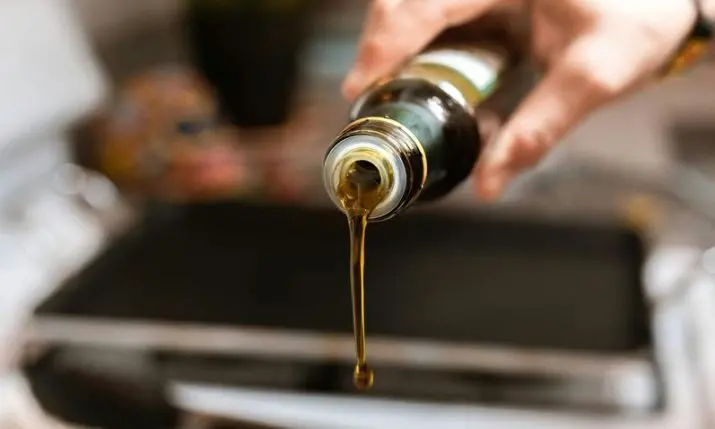
Croatia's olive growers just had a very good month in New York. Producers from Split-Dalmatia County entered 25 olive oils at the 2026 New York International Olive Oil Competition and came home with a medal for every single one — 17 gold and eight silver. It doesn't get more perfect than a 100% strike rate.
Croatia as a whole did well too. The country submitted 144 oils and took 103 gold and 25 silver medals, an 89% success rate. For a country that isn't Italy or Spain in the consumer imagination, that's a serious signal about quality.
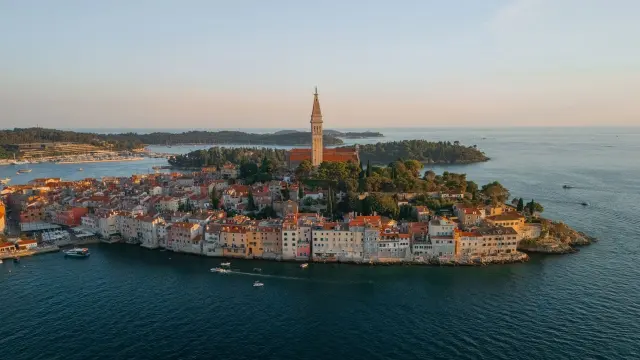
Back home, county head Blaženko Boban welcomed the award-winning growers and pointed to a joint push by four Dalmatian county heads to win protected status for traditional Dalmatian olive oil — the kind of recognition producers hope will match the prestige Istrian oils already enjoy. He also flagged a tree-planting programme: the county has co-funded four million Mediterranean fruit trees, olive trees and grapevines, partly with an eye on replanting fire-damaged land, and plans to keep the scheme going.
But the growers aren't resting on their medals. Ivica Ljubenkov, who leads the Croatian Olive Growers and Olive Oil Producers Association, argues the industry needs sharper marketing and better irrigation of neglected farmland. His bigger worry: domestic oil is increasingly going unsold as shelves fill up with cheap imports of questionable quality. On why Istrian oil can hit €40 a litre, he's blunt — Croatian growers do everything by hand, and harvesting alone accounts for roughly 40–50% of the price. Mechanisation, he says, could bring costs down.
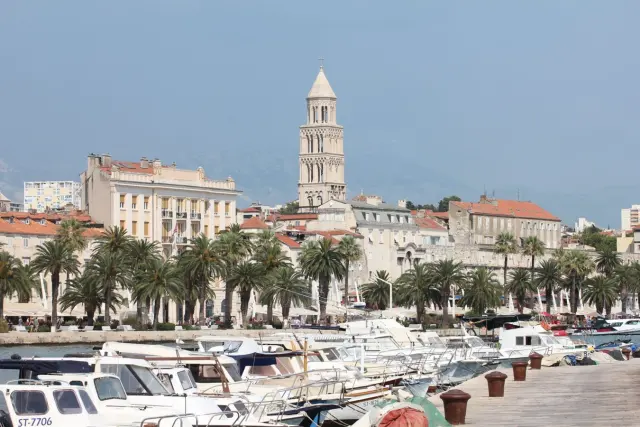
For travellers, this is a good excuse to build a food stop into a Dalmatia trip. The same coastline you visit for Split, Hvar and Brač produces oils that judges in New York rate among the world's best, and many family producers welcome visitors for tastings straight from the mill. Autumn is harvest season, when the fresh oil — peppery, grassy, nothing like the supermarket stuff — starts flowing. Look for local konoba restaurants that pour house oil over grilled fish, and don't be shy about asking where it came from; chances are the answer is a grove a few kilometres up the hill.