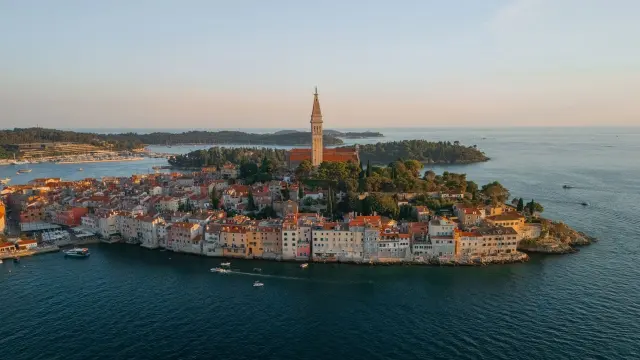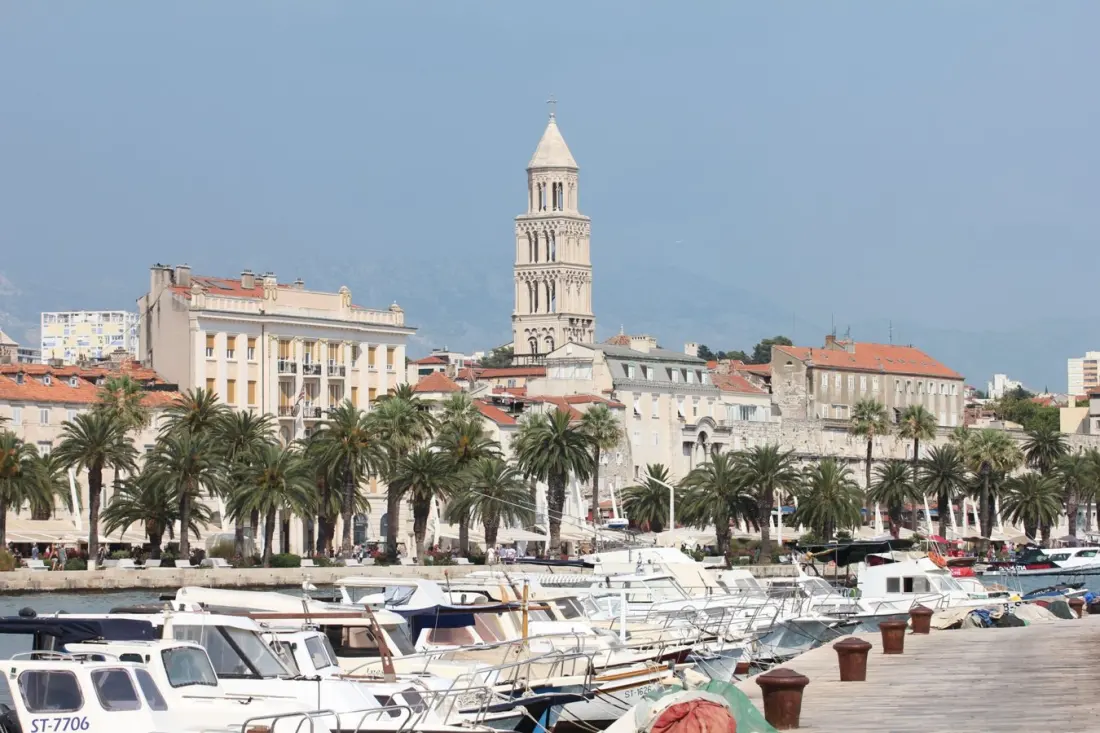
A viral analysis from Italian researcher Alessandro Palombo has put Split near the top of a European quality-of-life-versus-cost chart, claiming the Croatian coastal city offers a better life than 94% of the continent's cities — ahead of Copenhagen, Prague, Stockholm and Madrid. The catch: to actually enjoy it, you need to earn roughly 29% more than Croatia's median net salary, which stood at €1,346 as of July.
Zagreb tells a different story. The capital scores higher than only 64% of European cities on quality of life — behind Rome, Berlin and Milan — but its standard is far more attainable, requiring just 3% above the median wage. On Palombo's charts, the best and most affordable lives are found in Vienna, Helsinki, The Hague and Eindhoven, while Skopje, Belgrade, Sofia and Bucharest rank worst.
Before packing for the Dalmatian coast, though, it's worth knowing how shaky these figures are. The research leans on Numbeo, a crowdsourced database where anyone can submit prices and perceptions. In the past year, Split's data came from just 37 contributors and Zagreb's from 156 — hardly a representative sample. Palombo himself has acknowledged the data's limitations on social media. The apparent absurdities pile up quickly: Skopje comes out more expensive than Paris, and Oslo and Geneva cheaper than Zagreb. That's because the model measures costs against local median salaries rather than absolute prices, and it ignores education, jobs, childcare, culture and realistic access to long-term housing.
There's also a Croatia-specific blind spot. The model assumes a single renter in a one-bedroom flat outside the centre, yet Eurostat figures show 91% of Croatians live in owner-occupied homes — a very different financial reality. And on Palombo's wider 322-city world map, Osijek improbably outranks Vienna and Helsinki on quality of life, but only on the bizarre assumption of an $86,000 annual gross income that few Croatian earners come close to.
Why should travellers care? Because these rankings often feed the narrative that Croatia is cheap. For visitors, Split genuinely does punch above its weight: Roman and Venetian old towns, ferries to the islands, and a sea-and-mountains setting. But if a chart tells you it's one of Europe's best-value cities, remember who's being measured — locals on local wages, not tourists on holiday budgets. Costs for accommodation in high season can rival those in far pricier capitals.