You can learn a lot from a museum. But if you want to understand how a city actually lives, head to where its residents shop, haggle and eat. A recent piece from Getaway South Africa makes the case for six markets around the world that double as living cultural institutions — and the argument is convincing.
Start in Stone Town, Zanzibar, where Darajani Market has been trading since 1904. Its stalls of fresh fish, rice and spices tell the story of Indian Ocean exchange — African, Arab, Persian and South Asian influences layered into Swahili cooking. Cloves in particular shaped the islands' history, and the spice stalls are the best place to see that legacy up close.
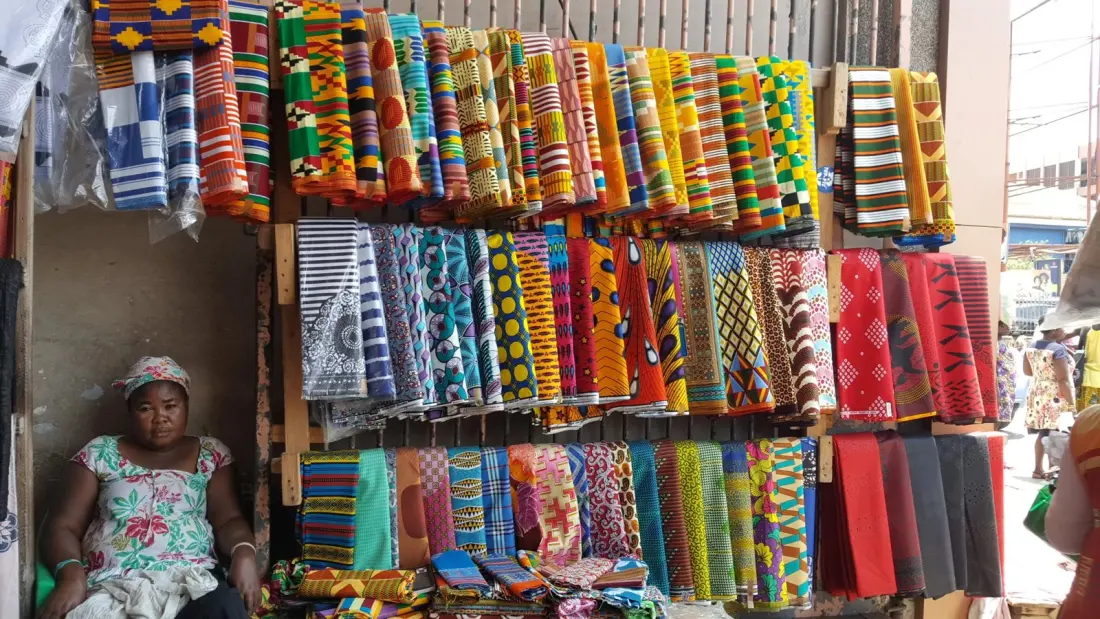
Accra's Makola Market is louder and messier, and all the better for it. Founded in 1924 and famously demolished in 1979 before being rebuilt, it remains the commercial heart of Ghana's capital, with women traders long at the centre of its economy. Textiles, bead jewellery, produce and imported goods sit side by side. The etiquette matters: ask before photographing vendors, and if something catches your eye, buy it.
Marrakech offers the most theatrical version of the theme. Jemaa el-Fnaa — UNESCO-listed as intangible cultural heritage since 2008 — turns from market square into open-air dining room each evening, with storytellers and musicians holding court while the surrounding souks sell leather, lanterns, ceramics and metalwork. Expect crowds and persistent sales pitches; asking vendors about materials and origins usually separates genuine craft from mass-produced stock.
Food-focused travellers should head to Oaxaca, Mexico. Benito Juárez Market has over 130 years of history and stacks of regional specialities: tlayudas, the maize-and-cacao drink tejate, and chapulines — toasted grasshoppers with chilli and lime. It's a direct line into the state's Indigenous foodways and the agricultural diversity behind them.
Istanbul's Spice Bazaar, built between 1660 and 1664 in the Eminönü district, makes the trade-routes-to-kitchen connection tangible. Mounds of red pepper and turmeric sit beside dried apricots, pistachios and Turkish delight. The smarter move is asking vendors which blends locals actually buy rather than treating every stall as a photo opportunity.
Finally, Hanoi's Đồng Xuân Market, established in 1889 at the edge of the Old Quarter, is less picturesque and more functional — a wholesale and retail hub supplying the whole city. Pair a browse with street food from the surrounding lanes, and watch out for workers moving stock through the aisles.
The common thread: heritage isn't only in preserved buildings and display cases. It's in recipes, bargaining, craftsmanship and the daily routines of traders. Visit with curiosity, spend money with the people whose work interests you, and you'll come away knowing far more about a place than any guided museum tour will teach you.