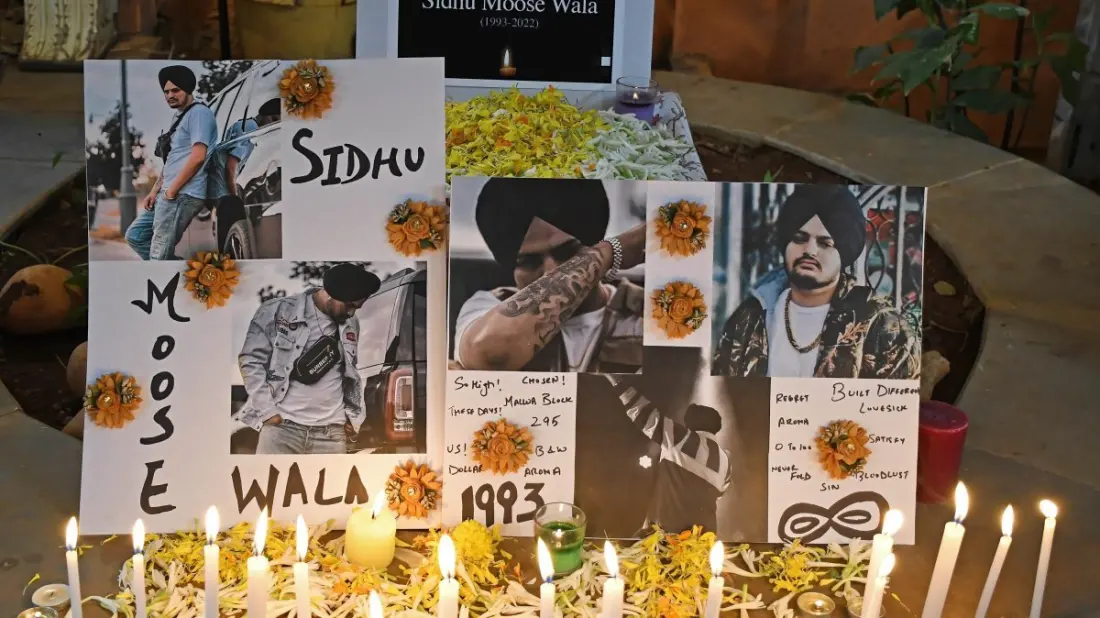
A concert poster in Toronto is advertising a show by an artist who died four years ago — and it is not a tribute act. Punjabi rap star Sidhu Moose Wala, killed in May 2022 at just 28, is scheduled to launch the "Signed to God World Tour" on October 9 at Scotiabank Arena in Toronto. The performer will be a 3D hologram, built from his original vocals and existing stage footage, with the backing of his family.
The production team is quick to point out what this is not: no artificial intelligence is inventing new songs or a new voice. The goal is to recreate the artist's real onstage presence using material that already exists. It is a resurrection of a performance, not a fabrication of one.
The Moose Wala tour is the most visible example of a much bigger shift. London-based Unit1 Studio recently raised $20 million to develop avatar concert technology, aiming to put digital versions of both living artists who hate touring and deceased legends into regular venues. Crucially, the format is not tied to a purpose-built arena like ABBA Voyage in London. The same production can move from city to city, playing ordinary concert halls — which means fans in far more places could get a shot at seeing it.
The economics are obvious once you spell them out. A digital artist never gets tired, never cancels for illness, and does not need hotels, flights or a visa. Aging stops being a problem, and the artist being alive stops being a requirement altogether. What you need is a catalogue, image rights, voice recordings and someone to manage them — a touring brand that can outlive the person it is named after.
That raises awkward questions the industry has not settled. Who decides what a dead artist does onstage — the family, the label, a manager, or an investment fund that bought the catalogue? And what if the artist never consented to a hologram show while alive? The next step is murkier still: AI could eventually generate a digital performer who says things the real artist never said and sings songs they never recorded. Is that still the artist, or a licensed product wearing their face?
Why should travellers care? Because concert tourism is already a major motivator — fans routinely fly abroad for tours by Taylor Swift, Coldplay or BTS. If hologram tours go mainstream, the map of music travel changes. Shows can be replicated in dozens of cities instead of a handful of capitals, and legends who retired or died decades ago could become regular stops on the events calendar. A Punjabi music icon opening a world tour in Toronto shows how global this can get: the audience is everywhere, and now the performer can be too.
Whether this era delights or unsettles you, it is arriving fast. The strange new reality: an artist can pass away, yet the brand keeps selling tickets, crossing borders and filling arenas — no passport required.