Colombia now has two restaurants inside one of food's most-watched rankings. In the 2026 edition of The World's 50 Best Restaurants, Celele in Cartagena came in at No. 31 and El Chato in Bogota at No. 46, with results announced on November 4 at a ceremony in Lima, Peru.
For travellers, this is more than bragging rights. Both restaurants have spent years working with small farmers, fishermen and foragers across the country, so a booking puts you at the sharp end of Colombian ingredients: Caribbean seafood and native herbs on the coast, Andean tubers and Amazonian fruit in the capital.
Celele, run by chef Jaime Rodriguez in the lively Getsemani neighbourhood, jumped 17 places from 48th last year. Its kitchen is rooted in the biodiversity of Colombia's Caribbean coast, and the team's research arm, Proyecto Caribe Lab, documents recipes and ingredients that rarely left their villages before. Expect coconut, dried shrimp and coastal seasonings reworked with modern technique. In 2025 the restaurant also won the ranking's Sustainable Restaurant Award for its sourcing practices.
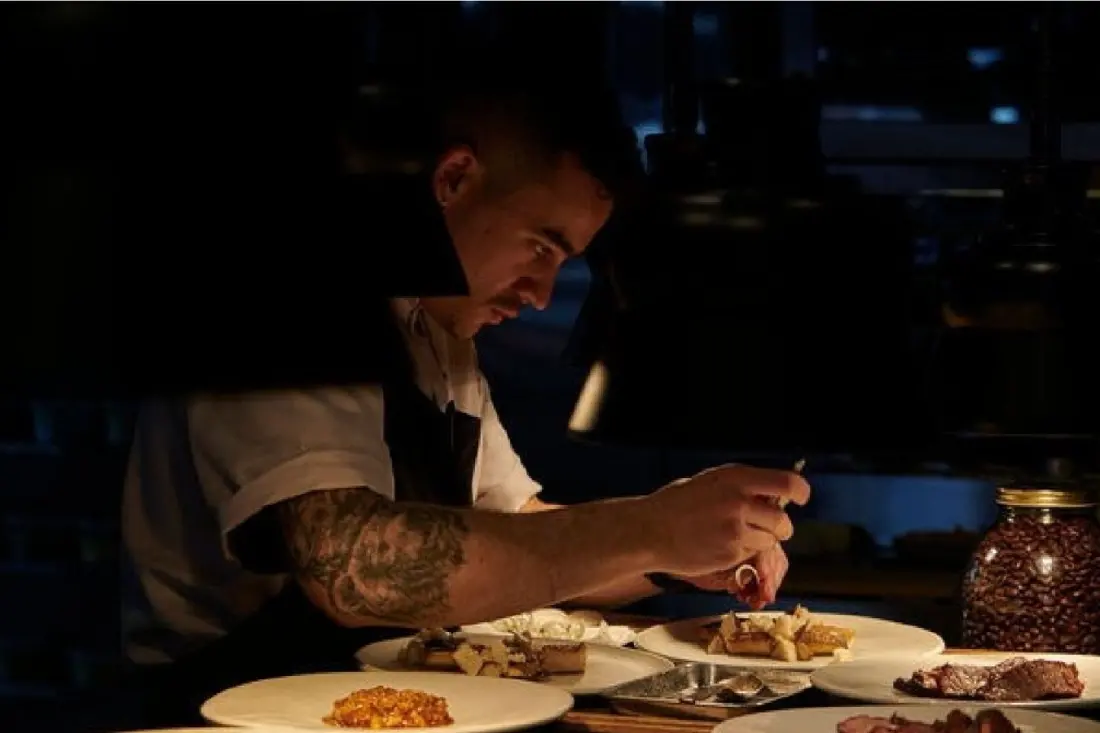
El Chato, founded in 2017 by Alvaro Clavijo, slipped out of the top 50 in 2025 (it placed 54th) but is back at No. 46. Clavijo cooked at Per Se, Noma, Atera and L'Atelier de Joel Robuchon before returning home, and that training shows: original dishes built on native seeds, unusual fish and little-known produce sourced nationwide. The restaurant peaked at No. 25 in 2024 and was named Latin America's best in the 50 Best regional list last year.
The wider context matters too. Lima hosted the awards for the first time, the first Latin American city to do so, and Spain's Asador Etxebarri took the top spot ahead of Thailand's Gaggan, Copenhagen's Alchemist, Mexico City's Quintonil and Hong Kong's Wing. Latin American kitchens are increasingly prominent in a list once dominated by Europe, and Colombia is now firmly part of that story.
If Colombia is on your food-travel radar, these two are the anchor bookings, paired with the coastal and Andean trips that supply their pantries.