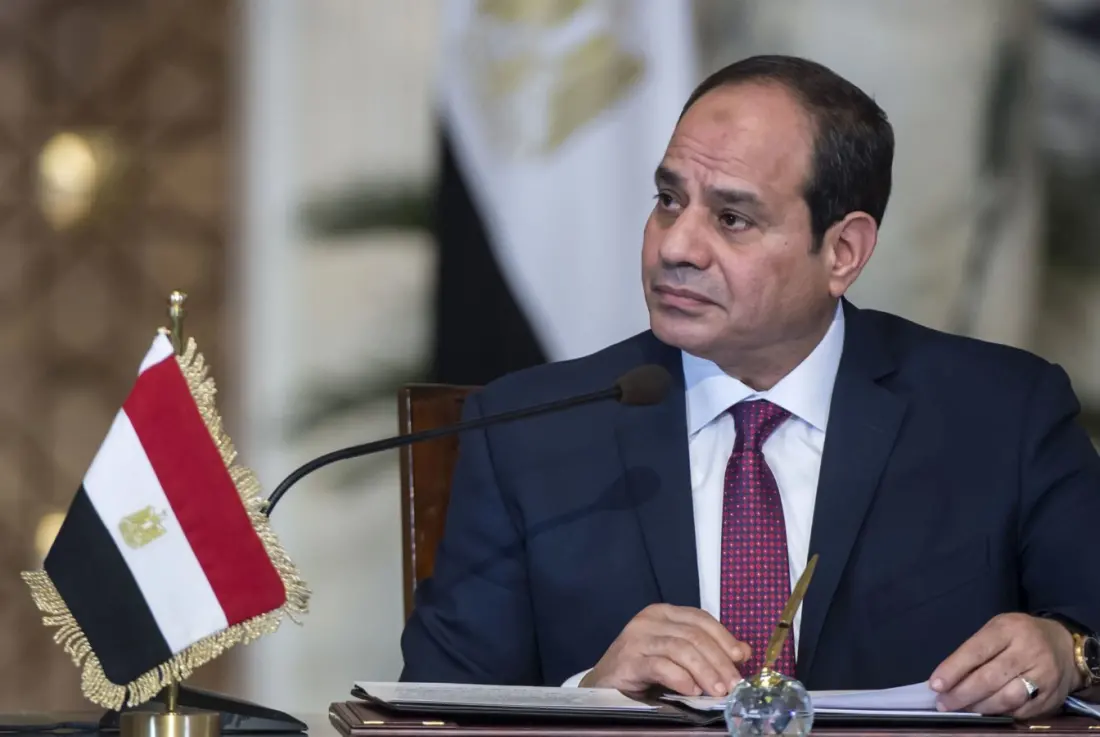
Egyptian President Abdel Fattah El-Sisi has ordered preparations for a strategic national stockpile of essential goods, a move that signals how seriously Cairo is taking the worsening security picture in its region. The directive came out of a Saturday 7 November meeting with senior military officials and the National Authority for Crisis and Emergency Management, and it tasks the authority with studying a reserve covering all necessary supplies so the country can meet basic needs if a crisis hits.
The meeting wasn't just about warehouses of goods. Sisi also pushed state institutions to fast-track submission of their data to the crisis management authority, insisting the information be accurate and kept regularly updated to support real decision-making when it counts.
Context matters here. On 26 October, Egypt's Parliament authorised the president to provide military assistance to Saudi Arabia if requested — a shift towards a more direct role in the Yemen conflict, which has now run for over a decade. The escalation trigger was a round of Houthi attacks on Saudi airports and oil facilities in October 2026. Egypt sits on the shipping and aviation routes most exposed to any Red Sea disruption, so its readiness planning has practical consequences well beyond its borders.
Egypt isn't acting alone in this mindset. The UK government has separately issued guidance urging households to keep essential supplies at home in case emergencies disrupt everyday services — part of a broader pattern of governments encouraging preparedness rather than assuming continuity.
What does this mean for someone with a Red Sea holiday booked or an Egypt trip in the works? Right now, nothing changes on the ground for tourists: resorts in Hurghada, Sharm El Sheikh and Marsa Alam operate normally, and Cairo's day-to-day life continues as usual. But the story is a reminder that Egypt's government is actively planning for contingencies tied to the Yemen conflict and Red Sea security, and travellers with trips in the coming months should keep an eye on Foreign Office travel advisories, airline routing updates (some flights already avoid sensitive airspace) and cruise itineraries that transit the Red Sea. Travel insurance that covers disruption and cancellation is worth checking before you book rather than after.
The bottom line: this is a preparedness story, not an evacuation story. Egypt is stockpiling and organising its crisis machinery precisely so that daily life — including tourism — can carry on if things deteriorate nearby. For now, the practical advice is ordinary: monitor official guidance, know your embassy's contact details, and don't cancel plans based on headlines alone.
Egyptian Streets