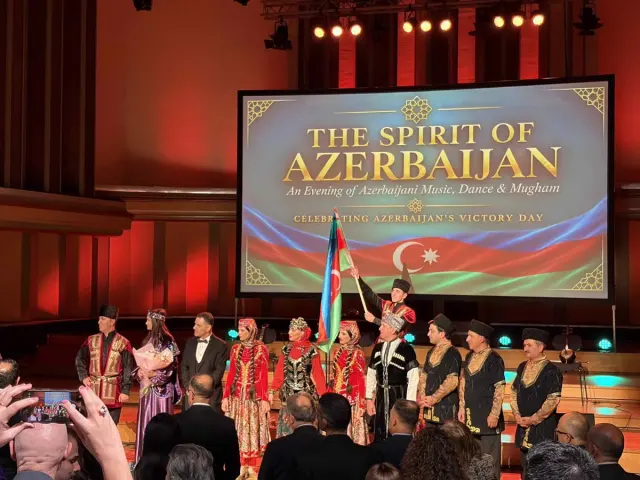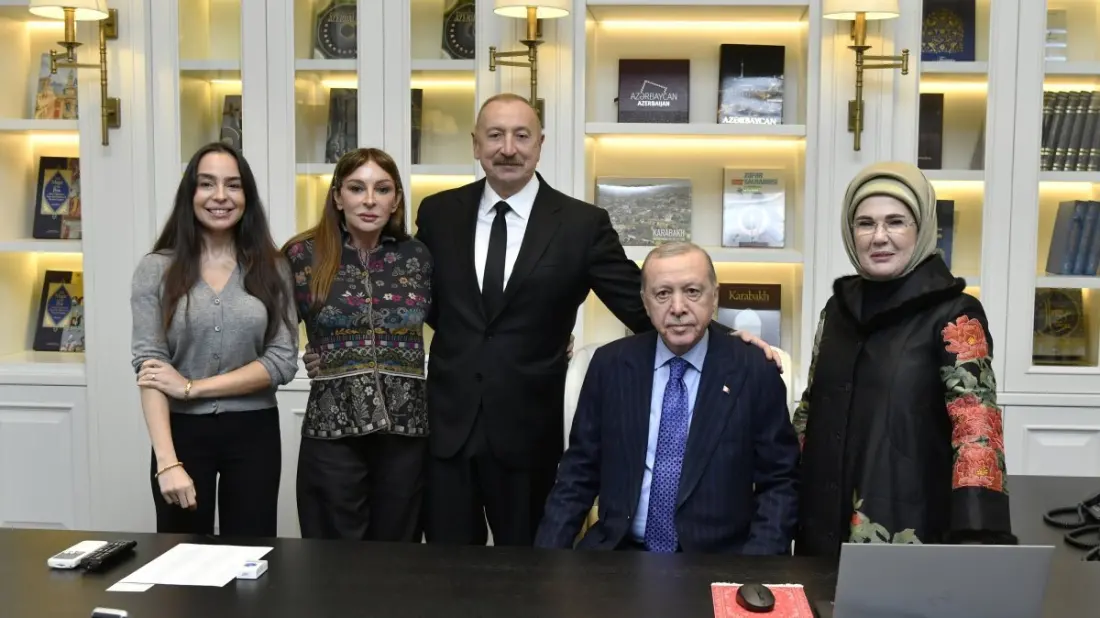
Azerbaijan's hilltop city of Shusha hosted a high-profile anniversary on 8 November: Victory Day, marking the day in 2020 when Azerbaijani forces retook the city during the 44-day war that ended nearly three decades of Armenian control over most of Karabakh. Turkish President Recep Tayyip Erdoğan flew in for the celebrations, greeted by President Ilham Aliyev at Fuzuli International Airport before the pair held a joint news conference in Shusha itself.
The visit doubled as a reset after a recent rocky patch between the two governments. Both leaders used the moment to insist the relationship — summarised in their shared motto of "one nation, two states" — remains solid, with Aliyev declaring that nobody can come between the two countries. The symbolism ran deep: it was in Shusha that the two signed the Shusha Declaration on 15 June 2021, formally upgrading their ties to an alliance.
For travellers, the interesting detail buried in the diplomacy is how fast Karabakh is changing. Erdoğan noted the drive from Fuzuli to Shusha now passes through seven new tunnels, part of a major infrastructure push across a region that was largely off-limits and war-scarred until recently. Reconstruction is moving quickly: a Türkiye-Azerbaijan forestry training centre has just opened in Jabrayil, a new school is planned for Aghdam, and resettlement of the region is under way. Areas that appeared on news broadcasts for years as ruins are being rebuilt with hotels, roads and public buildings — and tour operators in Baku have started marketing day trips and tours into Karabakh for visitors curious to see the transformation first-hand.
The date itself carries meaning. Victory Day was moved from 10 November partly to avoid clashing with the anniversary of the death of Mustafa Kemal Atatürk, founder of modern Türkiye — a small but telling example of how closely the two countries' calendars and identities are linked. Erdoğan also flagged Türkiye's new rotating leadership of the Organization of Turkic States, a bloc spanning Azerbaijan, Central Asia and Türkiye, which he wants to make more institutional — a signal of closer integration across a wide swathe of the Eurasian travel map.
Whether you're a traveller or just following the region, the takeaway is that the South Caucasus is entering a new phase. Peace talks with Armenia are edging forward, cross-border routes are reopening, and Karabakh — for 30 years a no-go zone — is becoming a place people can actually visit. Shusha, perched dramatically above the Karabakh mountains with its historic mosques and panoramic views, is the flagship of that rebuilding effort, and both leaders predicted it will look completely different by their next visit.
For now, the region is best approached via organised tours from Baku with local guides, as infrastructure and access rules are still evolving. But if Karabakh is on your watch list, this is the moment it's opening up.
Story reported by Daily Sabah Travel.