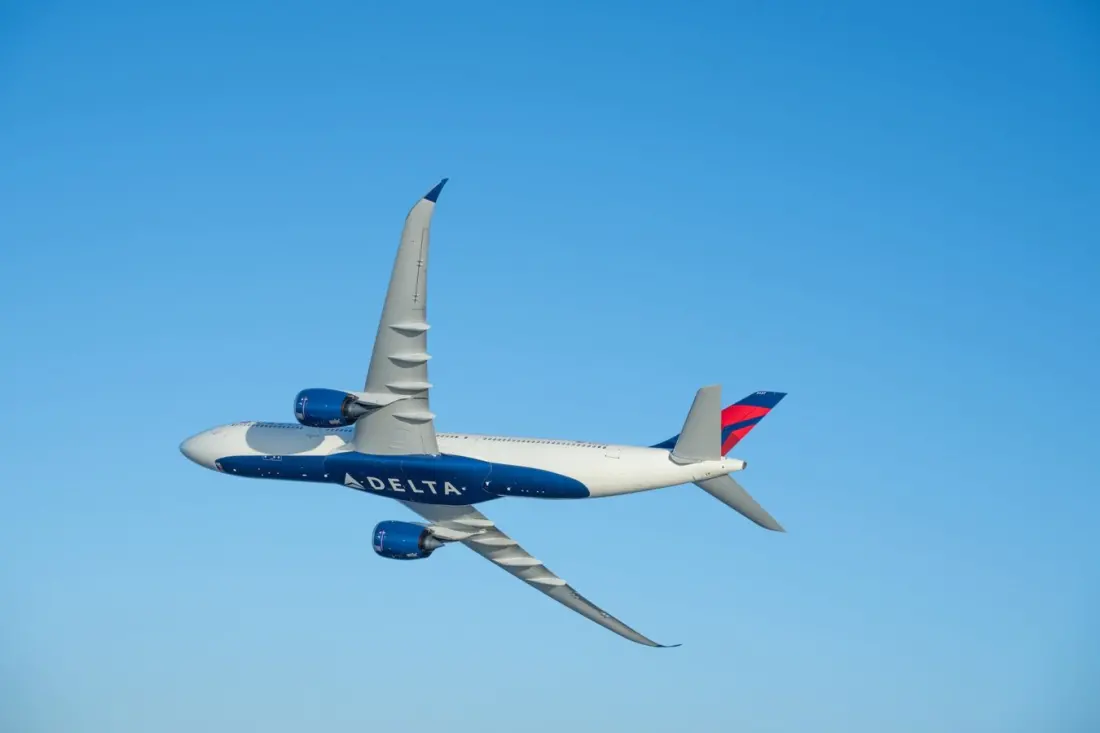
Delta's 2027 transatlantic plan is out, and the headline number is striking: zero new European destinations. United, by contrast, is adding nine. It's the first time in years Delta hasn't put a new dot on its Europe map, and the contrast between the two carriers says a lot about how the next few summers might shape up for travellers.
What Delta is actually adding is still useful. Boston to Venice launches on 7 May 2027, running four times weekly until late October on an Airbus A330-300. Detroit to Athens starts 8 June, three times weekly through late October on an A330-200. Both cities were already served by Delta, so these are new routes rather than new places. The airline is also pushing ahead with its previously announced daily Austin–Paris flight, which runs from late March through October on an A330-900neo, and stretching the operating season on several existing European routes.
Why so restrained? Aircraft supply is a big part of it. Delta's first A350-1000s arrive in early 2027, but its newer Airbus orders — A330-900s and A350-900s — don't start landing until 2029, and Boeing 787-10s not until 2031. Widebodies are scarce, and the ones Delta has are also needed for fleet renewal across the whole network. That said, the analysis at Live and Let's Fly points out Delta could shuffle planes onto a genuinely new destination if it wanted to. Instead, it's lengthening seasons on proven routes — a bet that travellers increasingly want longer operating windows on popular cities rather than one-off novelty routes.
United is playing a very different game, gambling that distinctive, first-to-market routes will pull travellers in and build loyalty. If a competitor plants its flag early on a promising route, it can be hard to dislodge — that's the real risk for Delta. On the other hand, Delta has long been one of the most profitable airlines in the US, and concentrating capacity where returns are strong is a defensible strategy. The next few years will show whether discipline or ambition wins the transatlantic contest.
For travellers, the practical upshot is straightforward: New Englanders get a much easier path to Venice, and Detroit — not typically an international gateway — gains a direct line to Greece. Extended seasons on existing routes mean more flexibility if you like travelling in May, early June or October, when fares and crowds are kinder than peak summer. And if you're chasing a brand-new European route, United's map is the one to watch for 2027.
Whether Delta's caution proves smart or stubborn, the good news for passengers is that both airlines are still adding seats across the Atlantic — and competition between them tends to keep fares honest.