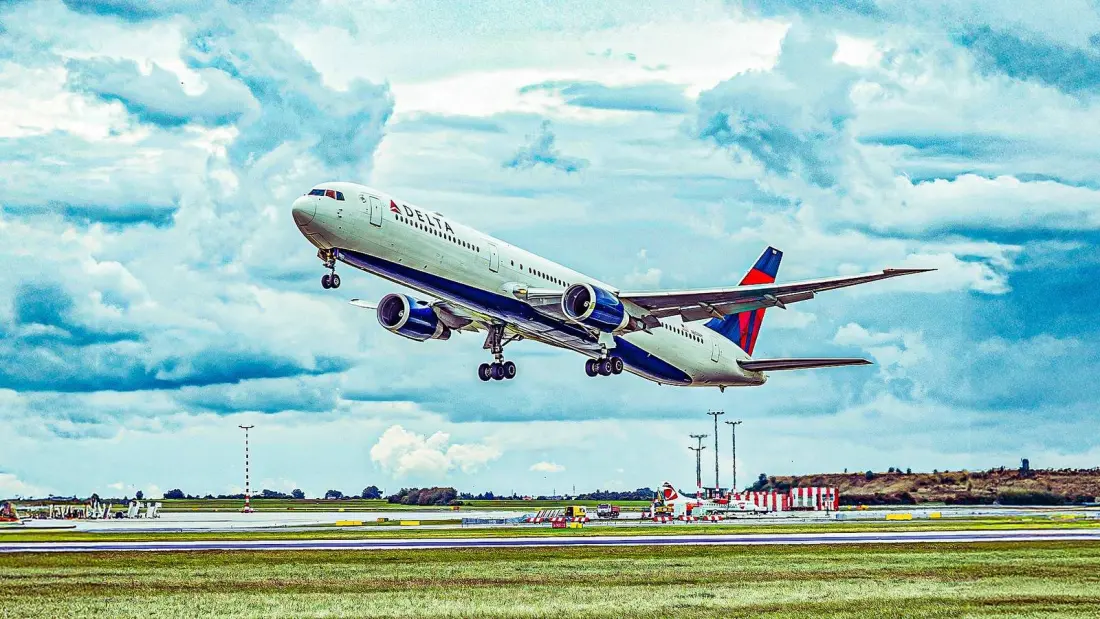
Delta Air Lines has spent 2026 trimming its network at the three airports it dominates: Atlanta, Detroit and Minneapolis-St. Paul. Scheduling data from aviation analysts Cirium shows 15 routes cut across the year, driven in large part by cost pressures like high fuel prices. For travellers, the practical effect is fewer direct options to a handful of US and international destinations.
Atlanta, the world's busiest airport and Delta's home base, took the biggest hit with six route cuts. Most went in September or October 2026, though Santa Barbara was dropped back in January. The short-lived Atlanta–St. Vincent service lasted just one season, and September also saw the axe fall on Rapid City, Traverse City and Vancouver. October brought the end of Atlanta's Bangor flights — meaning travellers to Maine now reach it only via New York.
Detroit lost five routes. Sacramento went first in May, followed by Reykjavík-Keflavík in August, then Pensacola and Bozeman in September, and Bangor in October. None of these have Delta flights scheduled for 2027 either. The silver lining: Delta announced a new Detroit–Athens route launching in June 2027, which the airport authority's chief executive, Chad Newton, welcomed as a boost for tourism and business connections.
Minneapolis-St. Paul shed four routes, split evenly between April and September. The April cuts hit the leisure map hard, ending service to St. Maarten and Mazatlán — a blow for snowbirds chasing Caribbean or Mexican sun. September's cuts were domestic, removing Williston in North Dakota (where Delta now has no service at all) and Wilmington in North Carolina.
Why it matters: if you booked your travel plans around a nonstop from one of these hubs, you may now be routing through Atlanta, New York or another gateway instead. Bozeman, Reykjavík, St. Maarten and Mazatlán travellers are the most likely to feel it. On the flip side, the new Athens link is a genuine win for Midwest travellers wanting a one-stop-free hop to Greece. Check connections carefully when booking 2027 trips — some of these corridors won't be coming back.