El Salvador packs volcanoes, surf beaches and colonial towns into a country small enough to cross in a few hours — so getting around is less about distance and more about picking the right transport for the trip. Here's how the options stack up.
Public buses are the backbone of local travel and by far the cheapest way to move. Fixed routes link San Salvador with big cities, small towns and rural communities, and microbuses dart through city and suburban streets making frequent stops. Fares are paid in cash and vary by route and distance; you can check official fares through the Viceministry of Transportation's online system by route number or plate. The trade-off: buses get crowded, waits can be long, and routes are often indirect, so long cross-country trips can wear you down.
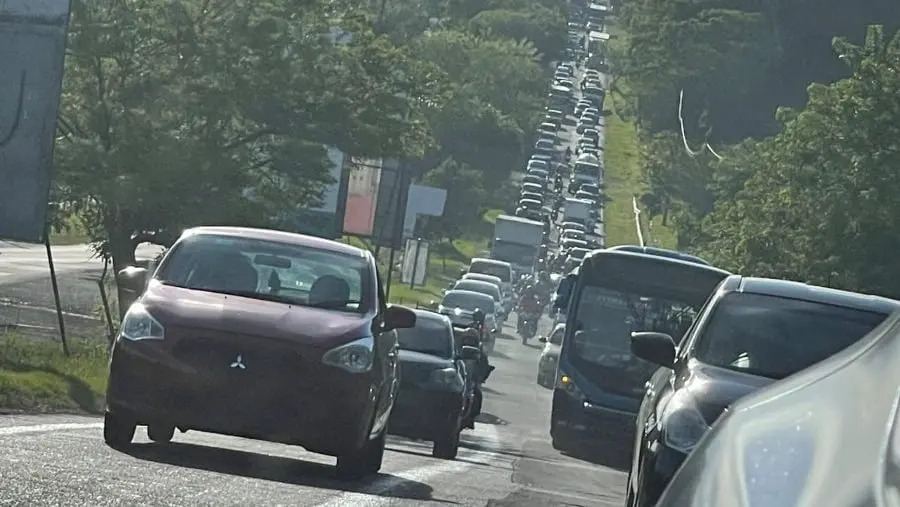
If you'd rather drive, renting gives you access to spots buses skip. The Pan-American Highway is the main corridor through the country, while the Coastal Highway (Carretera del Litoral) runs down to Pacific beaches and fishing villages. Conditions vary widely — city streets jam up badly at rush hour, and rural roads can be narrow, steep, potholed and unlit. Motorcycles weave through traffic easily but carry real accident risk.
Taxis and ride-hailing apps fill the gap for short, direct trips. Uber operates in larger cities, though availability and wait times depend heavily on your location. Traditional taxis often lack meters, so agree on the fare before setting off — and plan rides ahead if you're heading somewhere remote or travelling late at night.
A few things worth knowing before you go. Traffic in and around San Salvador can turn a short trip into a slow one during morning and evening peaks. Road safety is a genuine concern, with speeding and risky passing causing accidents, so drive defensively and keep an eye out for pedestrians and cyclists on poorly lit roads. In rural areas, buses run less frequently and transfers are common; some places are reachable only by unpaved roads that get tricky in the rainy season, when heavy rain can trigger flooding or landslides in mountainous zones. Build buffer time into any inland or eastern itinerary.
On the aviation front, most international flights arrive at the country's main airport near San Salvador, which offers taxis, private transfers and rental cars for onward travel. A second airport, the Airport of the Pacific, is under construction at Conchagua in the east near La Unión, intended to open up that region — but check directly with airlines and airport authorities before building plans around it.
Practical takeaway: budget travellers and backpackers will be happy on buses for most trips, while anyone chasing surf breaks, volcano viewpoints or small towns will save time with a rental car or a mix of taxis and ride-hailing. Give San Salvador a miss at rush hour if you can, and never assume the last bus to a rural spot runs when you need it.