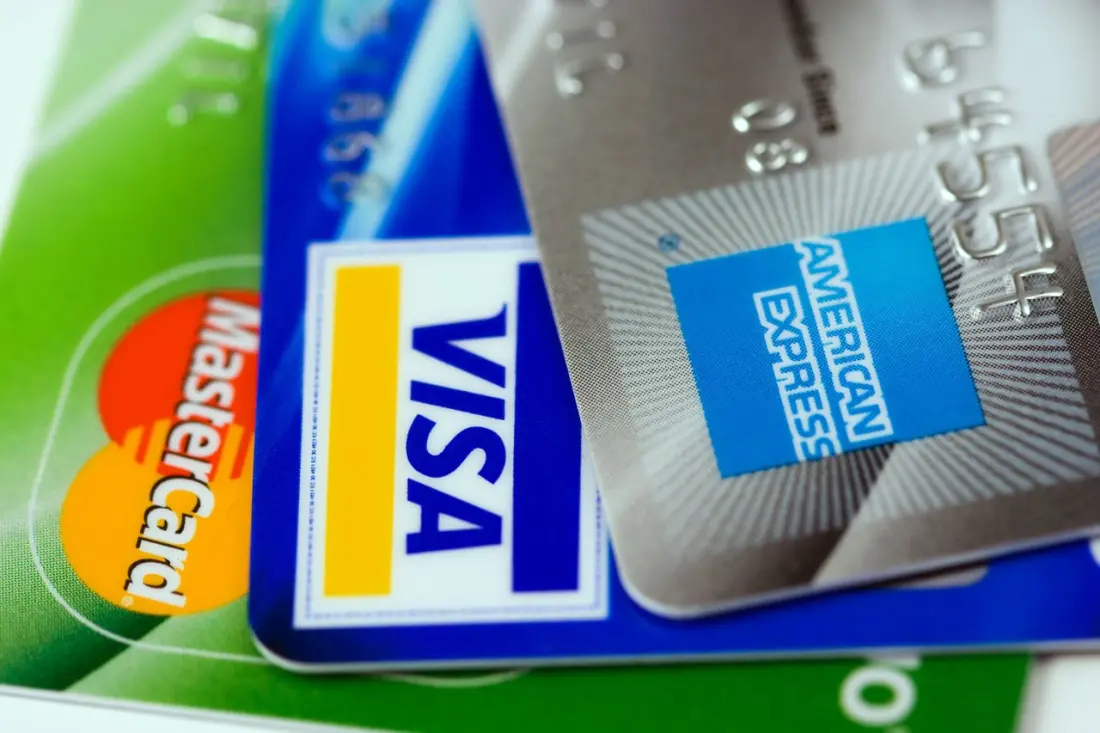
A plan to cut the swipe fees merchants pay every time you tap a credit card sounds like a consumer win. New research from two Philadelphia Fed economists argues the opposite — and the findings land squarely on the travel rewards that frequent flyers care about.
Satyajit Chatterjee and Burcu Eyigungor's paper, Credit Effects of Credit Card Interchange Fees, published 26 June and flagged in a Bank of Japan summary, looks at a part of the debate that usually gets ignored: what interchange revenue does to credit itself. Using bank supervisory data, they found that rewards cards come with higher credit limits, while non-rewards cards carry lower interest rates even though their default rates are higher. Their logic: rewards give cardholders a reason to keep paying on time, since defaulting cuts off future points. And when a bank keeps the interchange instead of paying out rewards, competition pushes it to offer better rates and bigger limits to win that customer.
The upshot is that everyone gains, even after accounting for the higher retail prices merchants blame on card fees — because the fee is what makes your account worth courting in the first place. Strip that revenue away and banks respond by raising rates, shrinking limits or approving fewer applicants, with the most financially vulnerable hit first.
If you think rewards only benefit a jet-setting elite, the numbers say otherwise. The Consumer Financial Protection Bureau's latest market report shows that in 2024, 80% of general-purpose credit card accounts offered rewards, and 92% of all spending went through rewards cards. Meanwhile, a New York Fed study found issuers collect interchange averaging 1.82% of purchase volume but pay out 1.57% in rewards costs — roughly 86% of that revenue flows straight back to consumers. Caps would mostly shift money from cardholders to merchants, not from banks to shoppers.
There's also a travel-specific reason to prefer credit over debit that has nothing to do with points. If an airline collapses or never delivers the flight you paid for, a credit card gives you federal billing dispute rights — you can withhold the disputed amount while the claim is investigated. With a debit card, fraud protections exist too, but your cash has already left the checking account, and a promise of reimbursement doesn't cover rent while you wait. Add purchase protection, extended warranties, rental car coverage and travel disruption insurance, and you can see what's actually funded by that interchange fee: rewards, fraud losses, dispute handling and benefits all live inside the same business model.
Why should a traveller care? Because the legislation threatening card rewards isn't dead, even with Dick Durbin retiring and Roger Marshall losing his Senate seat. If interchange gets capped, the bill could arrive as reduced points earning, higher annual fees, thinner card benefits or stricter approvals — changes that hit anyone who funds a trip on a sign-up bonus or relies on card protections when something goes wrong abroad. The research is a data point worth having before the next round of the swipe-fee fight reaches Congress. Story via View from the Wing.