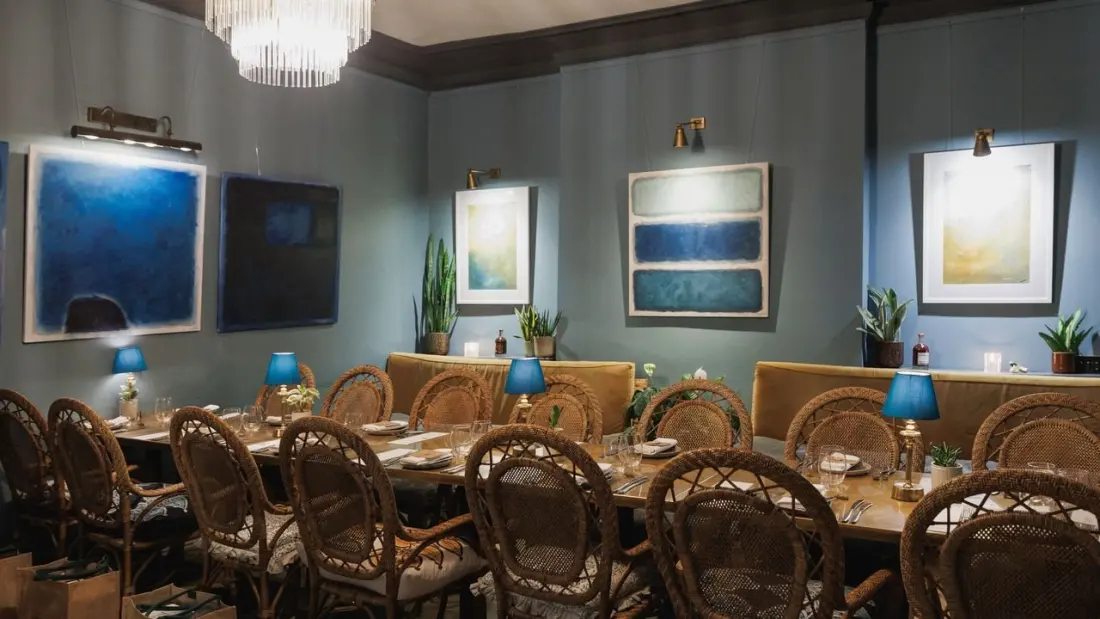
At the Bingham Riverhouse hotel in Richmond, a dozen diners sat down to menus written not by a chef's whim but by their own biology. The dinner, run by health-tech company Stride, is billed as the UK's first combining DNA, blood and gut microbiome data to tailor every course. Stride's founder, Andrew Steele — a former Olympic sprinter — wants to make the kind of body-tracking once reserved for pro athletes available to everyone.
The mechanics are surprisingly simple. Weeks beforehand, each guest posted off a cheek swab, a stool sample and a blood sample. From those results, Stride identified how each person handles saturated fat, carbohydrates, salt and antioxidants, then handed the findings to chef Vanessa Marx, who adjusted each plate accordingly. One diner with a high genetic need for vitamin E got extra toasted seeds; a likely lactose intolerance meant cashew cream instead of cultured cream; extra cavolo nero arrived where folate was needed. In one case the kitchen actually dialled the salt down — with a very noticeable result at the table.
Steele opened the evening with a live demo: strips of litmus paper on tongues, testing for the TAS2R bitter-taste receptor gene. Only a few diners could taste the bitterness at all, a neat illustration of why the same food lands differently on different people — and possibly why some kids refuse broccoli.
The pitch goes beyond one fancy dinner. Stride argues that most chronic disease is preventable, and nutritionist Natalie Falshaw cited the 2025 World Happiness Report, which found that one of the strongest predictors of health and longevity across 142 countries wasn't diet or exercise but how many meals you share with other people each week. Which brings us to Long Lane, a private members club and hotel due to open in 2027 in ancient West Sussex woodland. It has partnered with Stride to let guests keep eating this way regularly — and, crucially, in company.
For travellers, this points at a wider shift: wellness trips are getting personal, moving from generic spa menus to programmes built on your own test results. It's still niche and not cheap — genomic analysis typically lives in high-end longevity clinics — but the concept is spreading from clinics into hotels and dining rooms. If the food is this good (a starter of roasted heritage beetroots with rosehip and wood sorrel; trout with sea buckthorn; pear poached in elderberry), longevity eating may be less grim than it sounds.