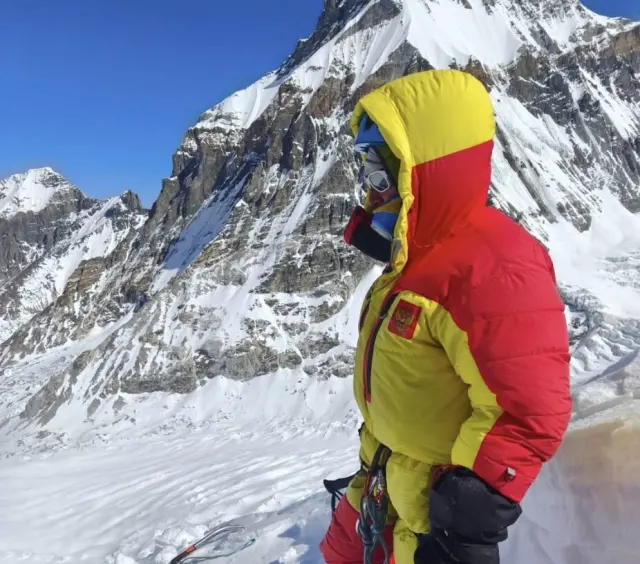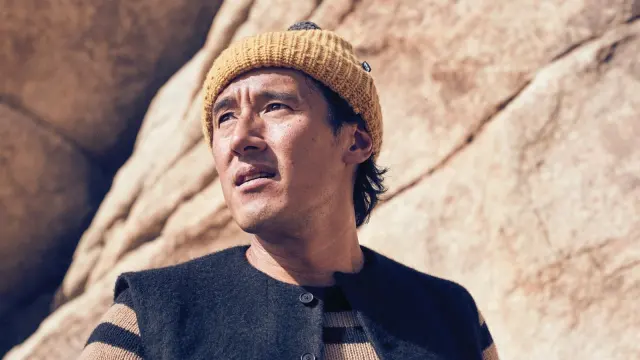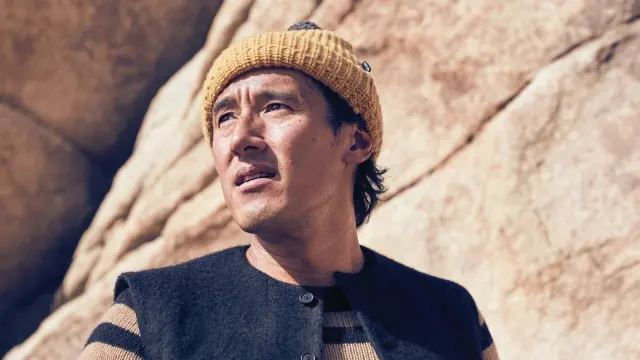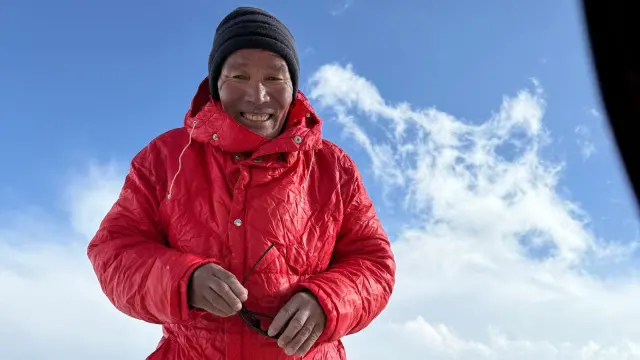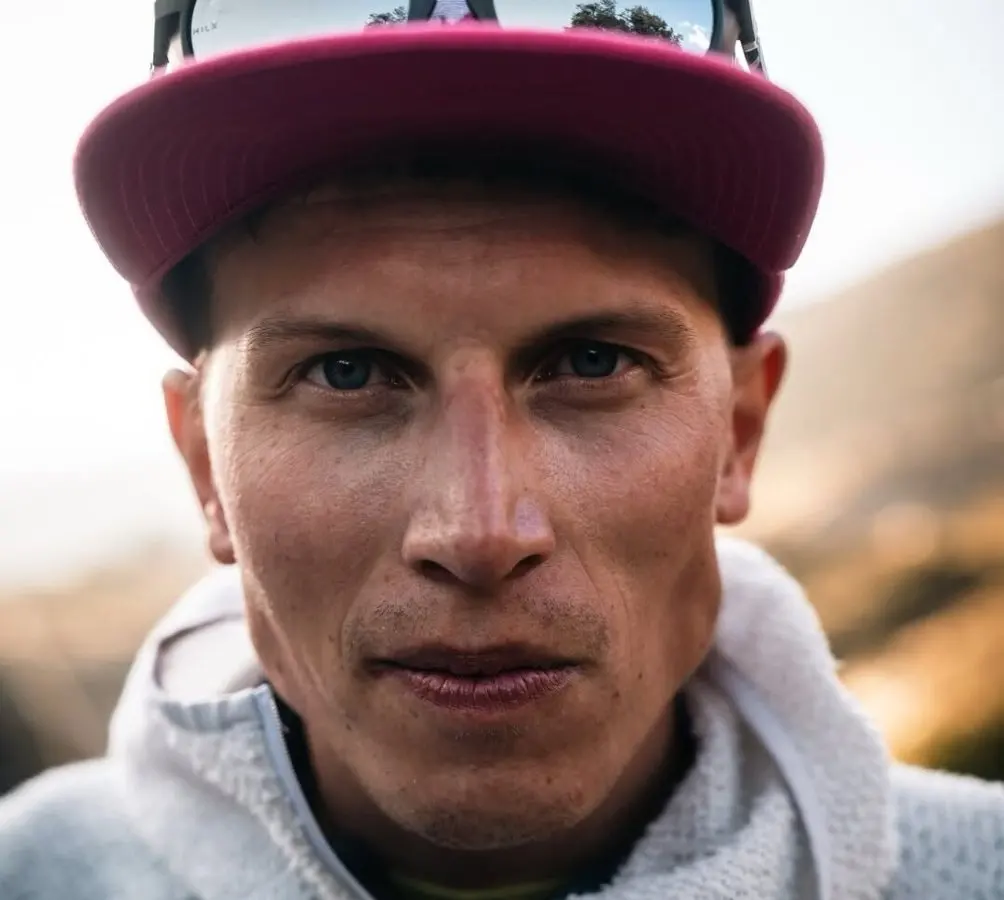
German climber Jost Kobusch is back in Nepal's Khumbu Valley, and this winter he's going for the big one again: a solo, no-oxygen ascent of Everest in deep winter, via the West Ridge. Before that starts around December 22, he's building his acclimatization on a mountain most climbers won't touch — Lhotse Shar.
Kobusch has set up in Chukhung village, where he's already run a classic acclimatization cycle on nearby Island Peak (Imja Tse, 6,165m): he climbed it, slept at 6,000m, topped out again the next day, and descended. After a rest in Lukla, he plans to hike back up the valley and scout conditions on Lhotse Shar, an 8,383m satellite peak on Lhotse's ridge. His stated goal there isn't the summit — he wants to tag 8,000m on its flank, then turn his attention to Everest.
The training choice is bold, to put it mildly. Lhotse Shar is climbed from the south, either up its own southeastern flank or via a direct line on Lhotse's fearsome south face. It carries the highest fatality rate of any major or secondary 8,000m peak: roughly one death for every two summits. When an Austrian team first climbed it in 1970, they fixed rope on most of the route between Camps 1 and 3, used four camps, and put on bottled oxygen for the summit push — with the top camp at 7,600m. Kobusch, by contrast, will climb alone, without supplemental oxygen, through mixed terrain and unpredictable winter conditions.
If he reaches Everest's base on December 22 as planned, this will be his fourth winter attempt on the mountain, and the first where he's openly willing to push for the summit. He's honest about the odds: he doesn't actually know whether a winter solo without oxygen is possible. The West Ridge line he's chosen is the same one a Russian team is currently trying.
He's not the only one chasing a winter 8,000er this season. Veteran Russian climber Denis Urubko is reportedly preparing a winter attempt on Broad Peak, possibly with Vitaliy Skel, running from the end of this year through February. Italian legend Simone Moro, meanwhile, is still deciding whether to return to Manaslu in winter, after heavy snowfall forced every team off the mountain in autumn. He wants to do it alpine style, and he's watching what he calls crazy seasonal weather before committing.
Why does this matter to a traveller? Even if you'll never strap on crampons above 8,000m, the Khumbu in winter is a different world: quiet trails, crystal-clear mountain views, and villages like Chukhung and Lukla far emptier than in autumn. The expeditions heading into the high mountains this season — Kobusch, Urubko, possibly Moro — give trekkers a rare reason to be in the region during the coldest months, when lodges are calm and the peaks show their winter faces. Just pack for serious cold, and remember that flights into Lukla are even more weather-dependent in winter than usual.