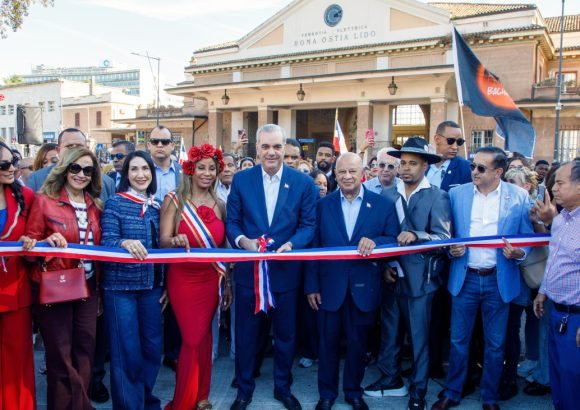
Rome got a taste of the Caribbean this weekend. Dominican President Luis Abinader and First Lady Raquel Arbaje opened the city's first-ever Dominican Parade, a street celebration of music, dance and national dress staged in the colours of the Dominican flag.
The event shone a spotlight on a small but busy community: roughly 6,000 Dominicans live in Rome, and Abinader used the occasion to credit their work ethic and entrepreneurship. Parades like this one, he argued, keep traditions alive abroad and tighten the link between the diaspora and the home country. For anyone who has wandered Rome's well-trodden tourist corridors, it is a reminder that the city's neighbourhoods now pulse with plenty of cultures beyond the Italian one.
The trip had a second, higher-profile agenda. Speaking on arrival, Abinader confirmed he would formally invite Pope Leo XIV to visit the Dominican Republic in 2027 during a scheduled Vatican audience. The invitation carries a personal twist: the pontiff, before his papacy, spent time in the Dominican Republic as a priest, and Abinader wants him back as Pope. The president even hinted at a gift, keeping the details under wraps. He also confirmed the invitation stands despite news that Pope Leo will undergo surgery to remove a lung nodule caught at an early stage.
So why should a traveller care? If the papal visit goes ahead, the Dominican Republic would see one of the biggest international events in its recent history, with all the tourism attention and infrastructure upgrades that follow. And even without a papal plane on the tarmac, the story tracks a broader shift: Dominican culture is gaining visibility in Europe, from the thousands of Dominicans building lives in Rome to the rhythms, food and carnival-style colour they brought with them. If you have only filed the Dominican Republic under 'Caribbean beach break', the Rome parade is a nudge to look again — the same energy you would find at a Santo Domingo street festival is now travelling the other way across the Atlantic.