Fifty years of guiding divers through some of the Caribbean's clearest water is a decent track record. Dive BVI, founded in 1975, has just marked that milestone, and the islands it operates from remain one of the region's most reliable bets for anyone who wants warm water, short boat rides and wrecks with real history.
Conditions are the big selling point. Visibility typically runs past 18m and can hit 30m in good conditions, while water sits between roughly 26°C in winter and 29°C in summer, so comfortable diving year-round. The islands and reefs shelter the dive sites from ocean swells, meaning calmer surface conditions and fewer lost days.
The headline site is the RMS Rhone, a Royal Mail steamship that went down in a hurricane off Salt Island in 1867. It now lies in three sections and has grown into a living reef, draped in corals and sponges and patrolled by schools of tropical fish. Divers can swim through open sections of the iron hull, with guides matching the route to your certification level.
Beyond the wreck, the BVI offers reef walls, pinnacles, canyons and swim-throughs, so back-to-back dives rarely feel repetitive. Expect angelfish, parrotfish, barracuda and southern stingrays as standard, with turtles common and nurse sharks and eagle rays making regular guest appearances. Photographers get clear water and a mix of macro subjects and wide reef scenes.
Dive BVI's pitch leans heavily on safety and accessibility: thorough briefings, well-maintained gear, sites chosen for conditions and experience, refresher courses for lapsed divers and patient instruction for beginners and younger family members. Boats carry emergency communications and safety kit.
Practically, it's an easy trip to reach now. There are direct flights from Miami to the British Virgin Islands, plus connections via Antigua and St Martin/Sint Maarten.
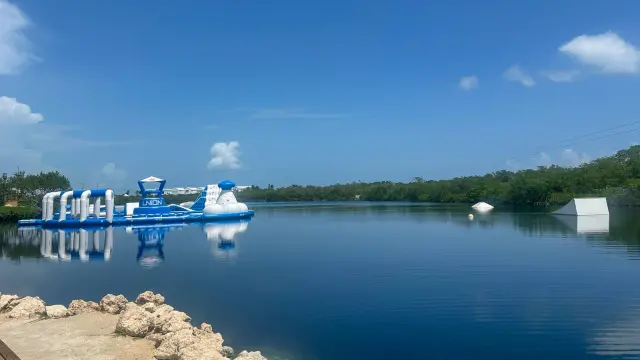
It's also a rare dive destination that works for mixed groups. Non-divers get white-sand beaches, snorkelling, paddleboarding, boating and the BVI's well-known sailing scene, while short hops between sites mean divers spend more time in the water than on deck.
For certified divers chasing a bucket-list wreck, families with mixed water-confidence, or anyone eyeing their first certification in forgiving conditions, the BVI deserves a spot high on the shortlist.