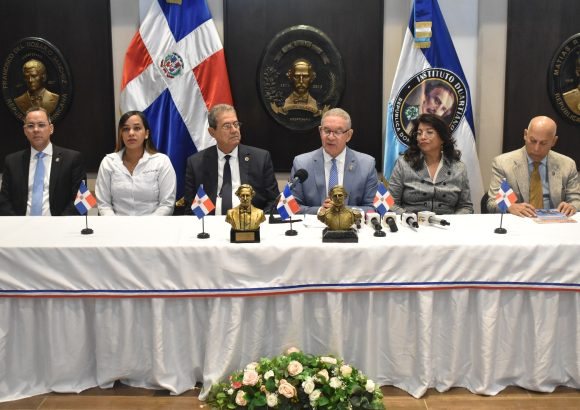
The security situation in neighbouring Haiti is showing no sign of improving, and that is keeping the Dominican Republic on a permanent state of alert along its 376-kilometre land border. Wilson Gómez Ramírez, head of the Duartian Institute, a Santo Domingo-based organisation focused on national affairs, warned in a recent leadership meeting that armed gangs now control much of Haitian territory and have even shown access to sophisticated technology — with no credible timeline for stability returning.
His assessment carried a practical warning for the Dominican state: the ongoing troop deployments, equipment and transport along the border are costing a significant amount of money, and there is no short- or medium-term solution in sight. He argued that meaningful progress will require heavier involvement from the UN, the Organization of American States, the United States, France and Canada, and that peace alone won't be enough — Haiti also needs rebuilt institutions, from a functioning civil registry to credible voter lists.
The institute's recommendations went well beyond rhetoric. It called on migration authorities to step up deportations of people without proper documentation, asked prosecutors to crack down hard on trafficking of people, goods and drugs across the border, and pushed for expanded biometric controls at crossing points. It also wants tighter checks at hospitals, more oversight of undocumented workers in construction, commerce and agriculture, and a controversial proposal to prioritise Dominican ownership of property in strategic border zones, citing the constitution.
Two other points stand out. The group rejected any Christmas-season slowdown in border operations, arguing enforcement can't afford a pause. And it demanded that the government publish the findings of an investigation into Dominican-origin military equipment that a UN Group of Experts report said had turned up in Haiti — a story that has caused real friction between the two countries that share the island of Hispaniola.
For travellers, the takeaway is straightforward: the Dominican Republic remains open and functioning normally for tourism, and the vast majority of visits — Punta Cana, Santo Domingo, Puerto Plata, Samaná — happen nowhere near the Haitian border. But if your plans involve overland travel in the west of the country or any idea of crossing into Haiti, expect a heavy military and migration presence, strict document checks, and a security environment on the Haitian side that most governments advise against entering at all. Flying into the DR and sticking to established tourist corridors is the sensible play, and it's worth monitoring your foreign office's travel advice before booking anything that touches the border region.