A visiting professor at Doha's Hamad Bin Khalifa University has sparked a timely debate about what happens to cultural memory when artificial intelligence gets involved. Georgios Papaioannou's argument, published around UNESCO's World Day for Audiovisual Heritage on October 27, centres on a simple but uneasy truth: the tools that can save old film, tape and oral histories can also quietly rewrite them.
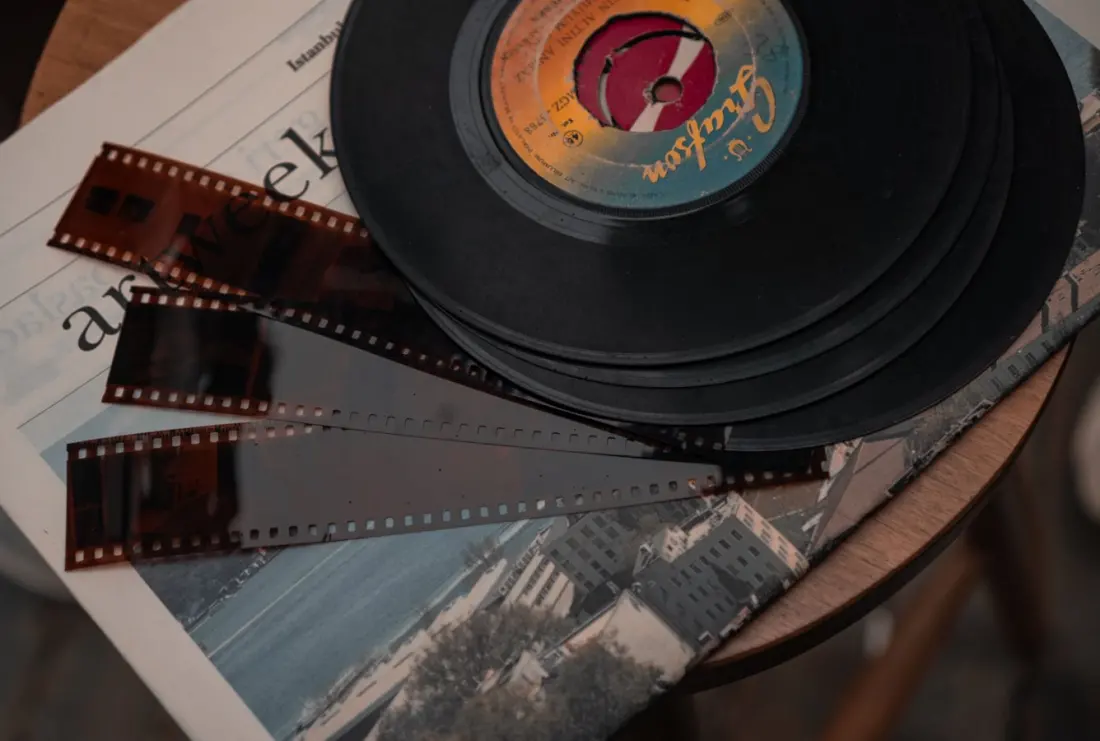
The stakes are real. Film stock decays, magnetic tape degrades and digital formats become unreadable, so archives worldwide are racing to digitise. AI promises to speed that up dramatically — speech recognition can transcribe decades of interviews, machine translation can open them to new languages, and computer vision can identify faces, places and objects so collections become searchable by phrase or location instead of dusty catalogue titles. For museums and libraries, that could return obscure material to classrooms, family historians and public debate.
But Papaioannou draws a line between restoration and invention. AI can fill gaps, remove noise, colourise footage and reconstruct damaged images — and an AI-generated imitation of a historical scene is a fundamentally different object from a repaired recording. Unless reconstructions are clearly labelled and their provenance documented, convincing fakes risk being mistaken for evidence. He points back to Plato's Phaedrus, which warned that writing itself might erode human memory; every technology of memory changes what gets remembered.
The sharpest question is one of power. Archives reflect what governments, collectors and institutions once deemed worth recording — some communities were documented extensively but rarely got to describe themselves. AI trained on those collections can reproduce old inequalities while looking neutral. For Qatar and the wider Arab world, the concern is practical: imported AI systems often lack Arabic-language and cultural depth, mangling transliterations, mishearing dialects and flattening meaning. Collections covering pearl diving, seafaring, trade and migration deserve tools built with local linguistic and scholarly expertise — and communities treated as partners in decisions about access and reuse, not just raw content.
Why should a traveller care? Because the recordings, photographs and testimonies at stake are the closest thing we have to hearing the past directly — the voices, dialects and everyday gestures behind the heritage sites you visit. Whether you're exploring Doha's museums or diving into oral histories of the Gulf's pearl-diving era, how these materials are preserved, translated and labelled determines what you actually get to see and hear. Universities such as HBKU are arguing that AI should be governed by provenance, consent and accountability, so that future generations — and future visitors — know what they're looking at, and what's missing. Papaioannou's closing stance is neither techno-panic nor uncritical hype, but stewardship: the recordings are irreplaceable traces of human presence, and responsibility for keeping them authentic stays with us.