
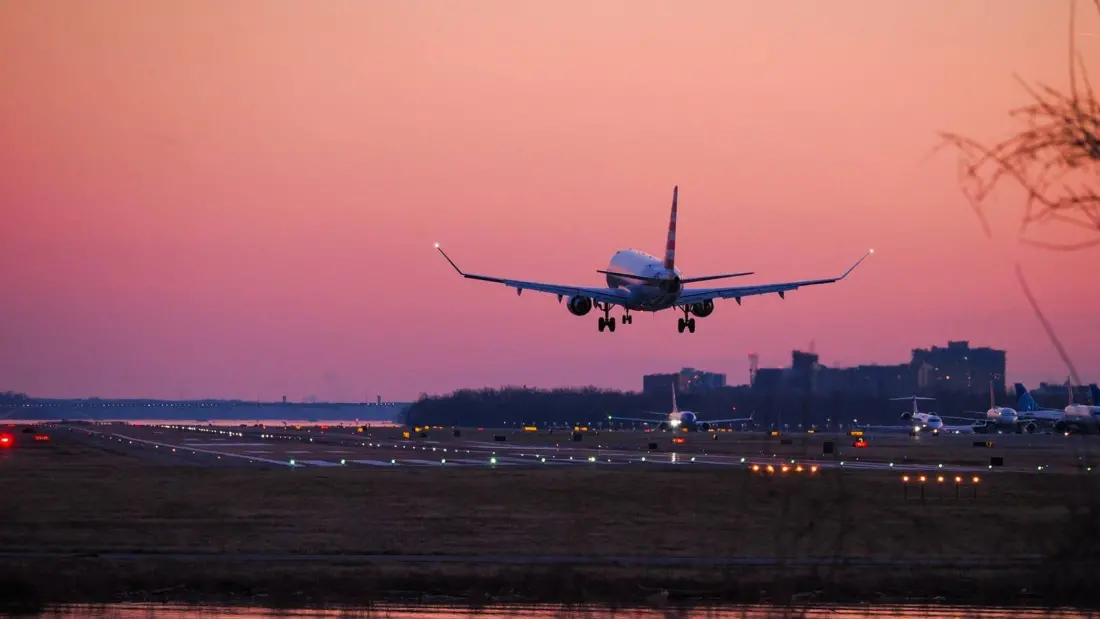
A suspected drone over Ronald Reagan Washington National Airport (DCA) forced air traffic control to freeze all flights for about 20 minutes on Wednesday night, September 16. Controllers broadcast a general alert telling pilots to keep an eye out for an uncrewed aircraft over the airfield. A search turned up nothing, and the airport reported the sighting to local police, federal authorities and the FAA. If whoever flew it is caught by the FBI, they could face a fine of up to $100,000 and a year in jail.
Why does one small drone matter so much? Because DCA already has the most stressed airspace in American aviation. Its main runway is the busiest in the country, handling more than 800 takeoffs and landings a day at full capacity. The airport sits on a narrow corridor along the Potomac River, shared with low-altitude military helicopter routes, and near misses between jets and helicopters have kept happening despite official recommendations.
The shadow over this incident is heavy. In January 2025, American Airlines Flight 5342 collided with an Army Black Hawk helicopter near the airport, killing 67 people in the deadliest US midair crash in over two decades. The National Transportation Safety Board's subsequent investigation dug into the records and found 15,214 near misses at DCA dating back to 2021, including more than 4,000 close encounters between 2018 and 2025 where aircraft passed within 0.19 miles of each other.
Regulators have responded. The FAA's Interim Final Rule permanently bans non-essential helicopter operations in the airport's immediate airspace and closed Route Four, the corridor the Black Hawk was flying when it collided with the jet. The Army has tightened its own rules, mandated continuous ADS-B broadcasting for military aircraft around Washington, and even suspended flights along the closest routes after another near miss in May 2025.
But the NTSB isn't satisfied. Chair Jennifer Homendy has publicly criticised the FAA for ignoring its own safety data, and the board recently judged the agency's response to roughly a third of its recommendations inadequate. Wednesday's drone scare underlined the remaining weak spot: pilots are still the first line of defence. One American Airlines regional jet crew reported something that "went flying by, probably halfway down the runway", and a charter pilot spotted a possible drone light. The system still leans heavily on the see-and-avoid principle that investigators have repeatedly called dangerous in such congested skies.
For travellers, the takeaway is practical rather than alarming. DCA remains open and operating, and brief ground stops like this are usually resolved quickly, though they can ripple into delays across the evening schedule. If you're flying through Washington on a tight connection, especially at peak evening hours when helicopter and commercial traffic overlap, building in a buffer is wise. The airport's safety overhaul is real, but it's clearly a work in progress.